Solar Panel Market to Double by 2034 as Costs Drop
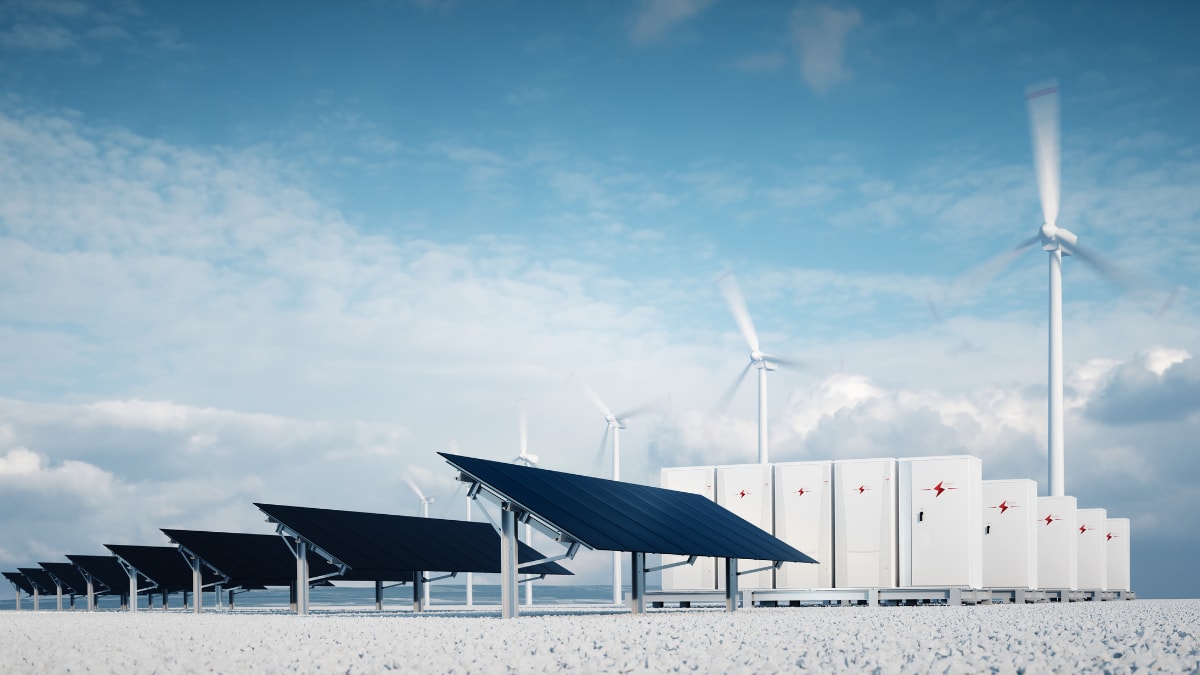
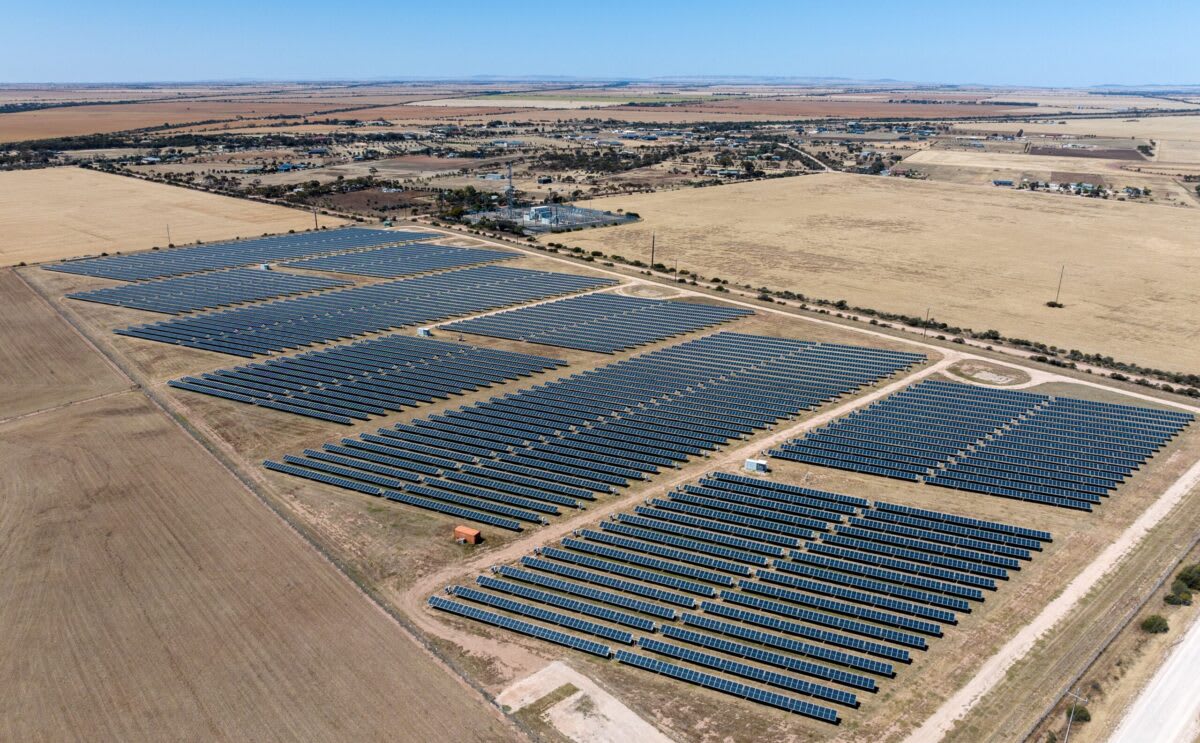
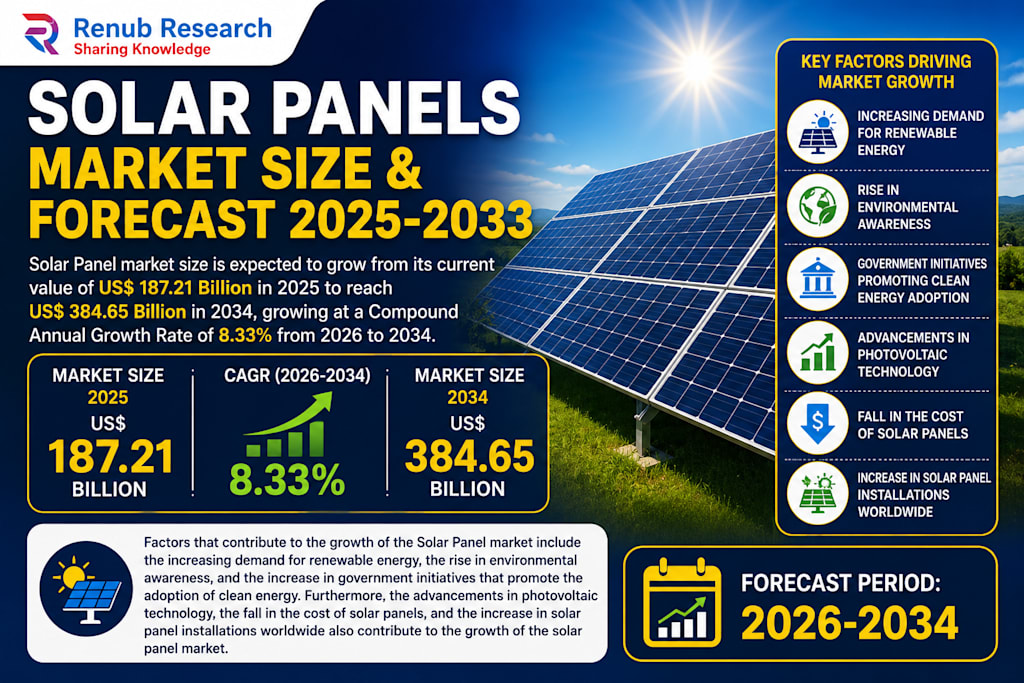
The global solar panel market is set to more than double from $187 billion to $384 billion by 2034, driven by falling costs and government support. What was once an expensive alternative is now becoming the world's go-to clean energy solution.
Solar panels are having their moment, and it's about to get even brighter.
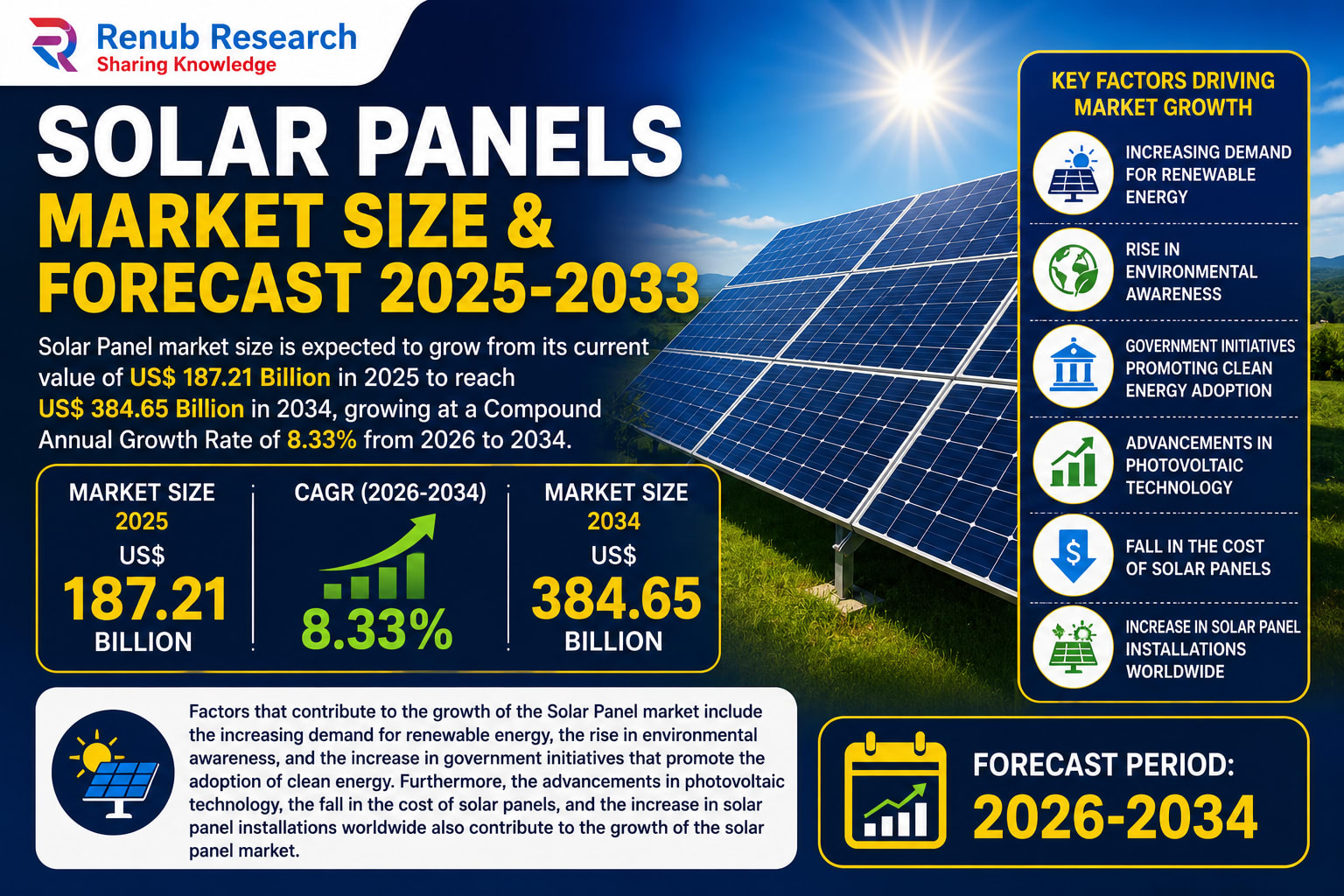
The global solar panel market is projected to surge from $187 billion in 2025 to $384 billion by 2034, according to Renub Research. That's more than double the current size, fueled by a powerful combination of falling costs, technological breakthroughs, and urgent climate action.
What's driving this explosion? For starters, solar is no longer expensive.
Over the past decade, the cost of solar panels has dropped dramatically, making rooftop installations affordable for average homeowners and small businesses. At the same time, modern panels are more efficient than ever, generating more electricity from the same amount of sunlight.
Governments worldwide are supercharging adoption with tax credits, rebates, and subsidies. Net metering policies let solar users sell excess electricity back to the grid, turning energy bills into potential income streams.
China made waves in January 2026 by adjusting export policies for solar components, a move that will ripple through global supply chains. Germany commissioned the world's first vertical floating solar system in Bavaria in October 2025, proving solar technology is evolving far beyond traditional rooftops.
Renewable energy capacity worldwide grew by 15.1% in 2024, reaching nearly 4,448 gigawatts of installed capacity. Solar power is leading that charge because it produces zero emissions during operation and relies on an energy source that literally falls from the sky every day.
Businesses are jumping in too, viewing solar installations as both environmental wins and smart financial investments. Lower long-term energy costs combined with improved sustainability credentials make solar an easy sell in boardrooms.
The Ripple Effect
This isn't just about cheaper electricity bills. As solar becomes more mainstream, entire communities gain access to clean, reliable power that doesn't contribute to climate change.
Countries with ambitious carbon reduction targets are leaning heavily on solar to meet their goals. The technology is creating jobs in manufacturing, installation, and maintenance while reducing dependence on fossil fuels that damage air quality and public health.
Perhaps most importantly, solar democratizes energy production. Homeowners become power generators, communities build resilience against grid failures, and developing nations can leapfrog outdated coal infrastructure entirely.
The sun powers everything on Earth already. Now we're finally getting better at capturing that gift and turning it into the energy that runs our lives.
More Images



Based on reporting by Google: clean energy investment
This story was written by BrightWire based on verified news reports.
Spread the positivity!
Share this good news with someone who needs it