Solar Panel Waste Transformed Into Energy Storage Material
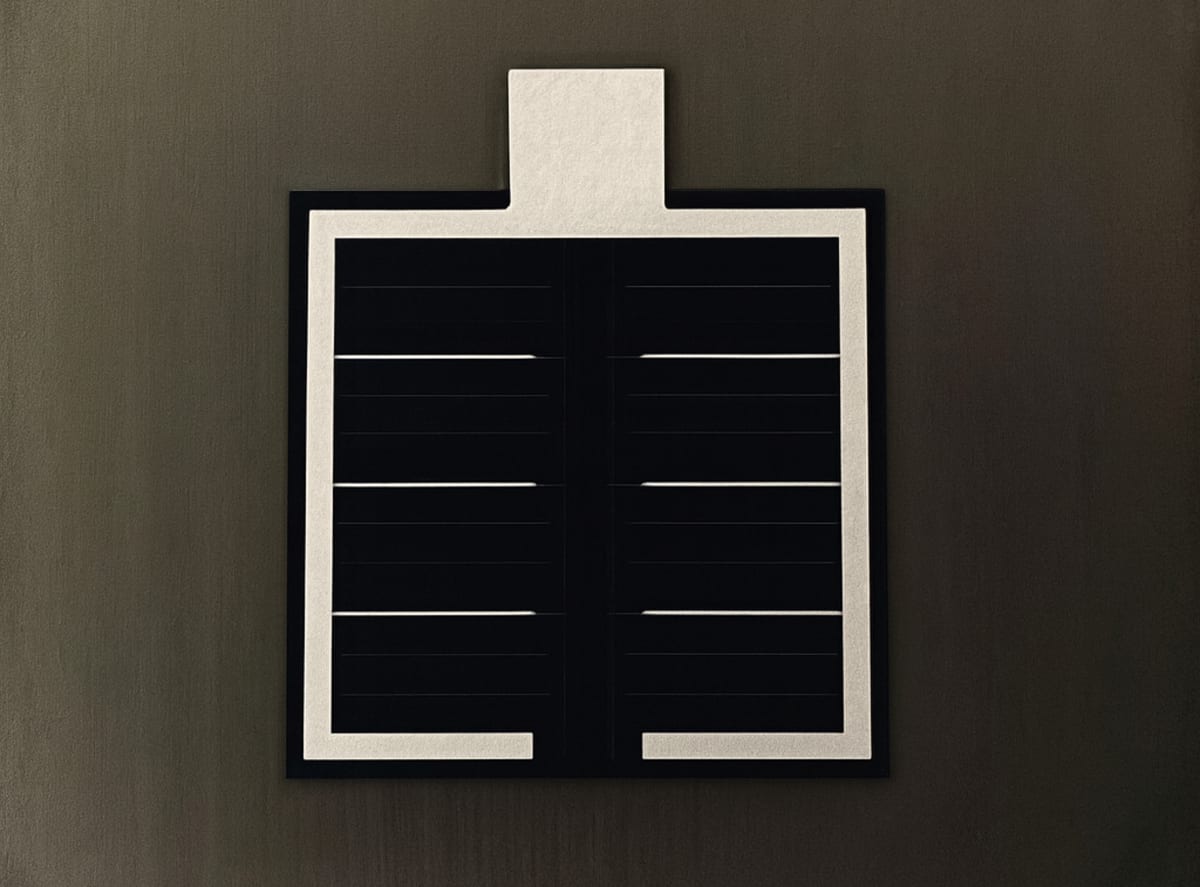
Chinese scientists have turned discarded solar panel backsheets into high-performance supercapacitor components, solving a growing waste problem while creating valuable energy storage materials. The breakthrough captures toxic fluorine and transforms it into carbon that stores electricity efficiently.
Millions of solar panels will reach the end of their life in coming decades, and researchers just found a way to turn that challenge into an opportunity for clean energy storage.
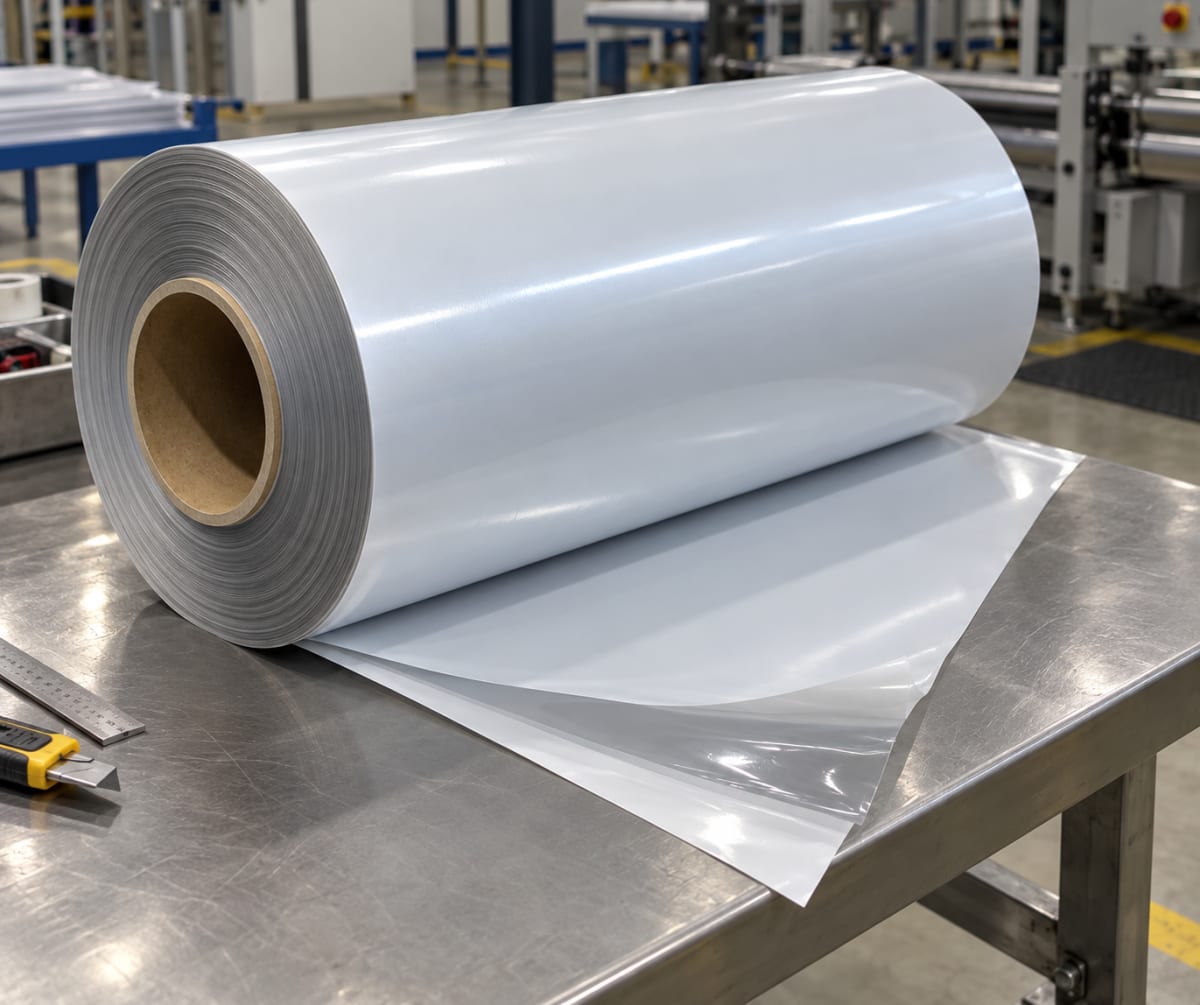
Scientists at Nanjing Normal University developed a two-step process that transforms waste solar panel backsheets into carbon materials used in supercapacitors, devices that store and release energy quickly. The technique solves two problems at once: it safely captures toxic fluorine that would otherwise pollute the environment, and it creates valuable materials for energy storage.
The process starts by mixing cut-up backsheets with sodium hydroxide, then heating them to 700 degrees Celsius without oxygen. This captures 96.5% of the fluorine while converting the plastic into a carbon precursor. In the second step, researchers mix this material with potassium hydroxide and heat it again, creating a sponge-like carbon structure with interconnected pores of different sizes.
The resulting material performed remarkably well in laboratory tests. It retained 92% of its storage capacity after 10,000 charge and discharge cycles, demonstrating the kind of durability needed for real-world applications. The researchers even built a working supercapacitor that successfully powered an LED light.
Co-author Zijun Zhang emphasized the innovation behind the approach. The technique captures harmful fluorine while simultaneously converting the carbon in the backsheets into a useful form, making the entire recycling process more efficient and environmentally friendly.
The Ripple Effect
This breakthrough addresses a looming environmental challenge as the first generation of solar panels approaches retirement age. By 2050, experts estimate that millions of tons of solar panel waste will need proper handling.
The new recycling method transforms that waste stream into components for supercapacitors, which play a growing role in electric vehicles, renewable energy systems, and consumer electronics. Instead of panels ending up in landfills while manufacturers mine new materials for batteries, the same materials can cycle through the clean energy economy multiple times.
The team published their findings in the Journal of Energy Storage, working alongside researchers from China Resources Recycling Group New Energy Technology. Their work demonstrates that renewable energy infrastructure can become even more sustainable through intelligent recycling.
As solar energy continues its rapid global expansion, innovations like this ensure the technology's environmental benefits extend through its entire lifecycle.
More Images


Based on reporting by PV Magazine
This story was written by BrightWire based on verified news reports.
Spread the positivity!
Share this good news with someone who needs it