Solar Panels 3+ Meters High Boost Crops and Energy Output
French researchers discovered the perfect height for solar panels that grow food and generate power beneath them. Raising panels above three meters protects crops while actually cooling the panels for better energy production.
Farmers and solar developers just got a clear answer to one of clean energy's most promising questions: how high should solar panels be when you're growing crops underneath them?
French researchers studying agrivoltaics—the practice of combining solar energy with farming—found that panel height makes all the difference. When mounted above three meters, solar panels don't interfere with the crops below while producing more energy than traditional ground-mounted systems.
Scientists from Cerea, a joint lab between French energy company EDF and engineering school ENPC, spent months measuring airflow at an experimental solar farm. They discovered that low panels, especially those under three meters, disrupt air movement enough to affect how plants breathe and use water.
"Airflow modification can affect the crops if panels are low," explained lead researcher Joseph Vernier. Below that three-meter threshold, changes in wind patterns become just as important as shade in determining whether plants thrive.
But here's where the news gets even better. When panels sit higher with proper spacing between rows, the improved airflow doesn't just protect crops—it cools the solar panels themselves. Cooler panels mean better performance, boosting energy generation by one to two percent compared to conventional solar farms.
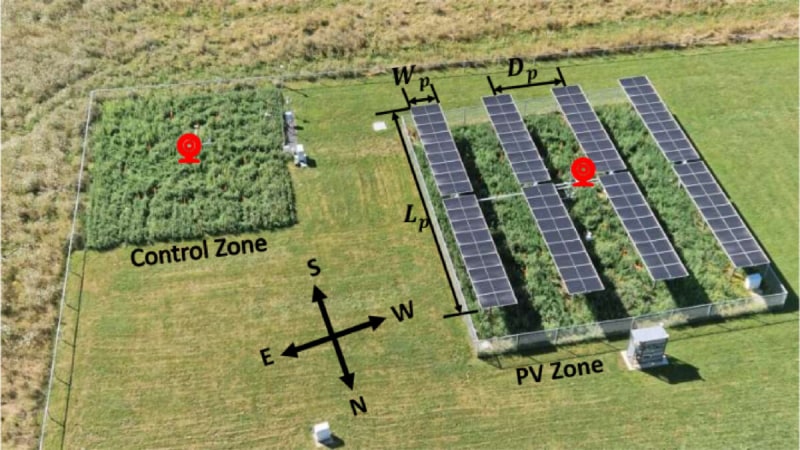
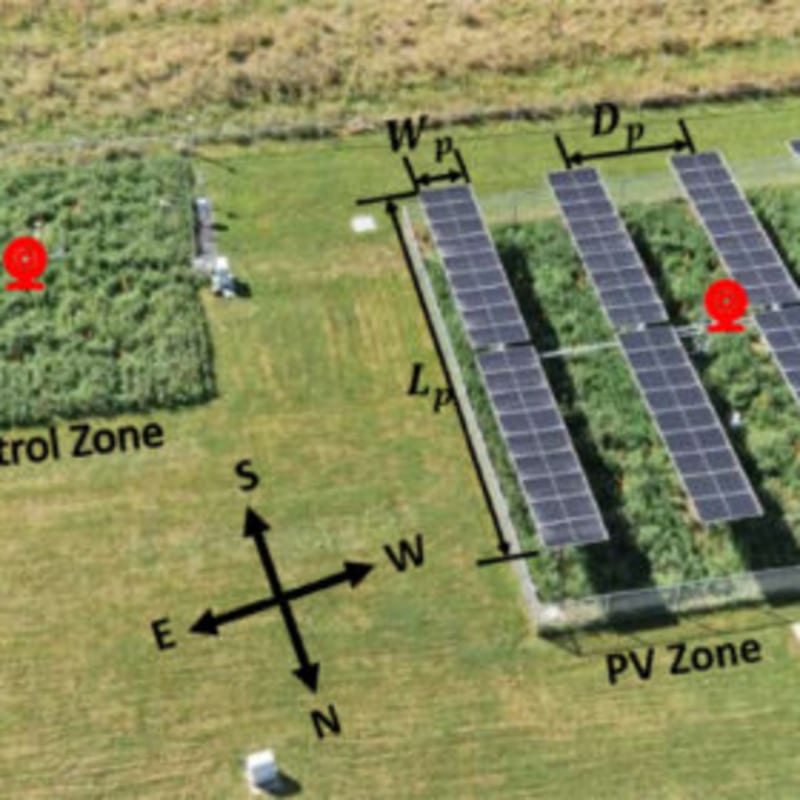
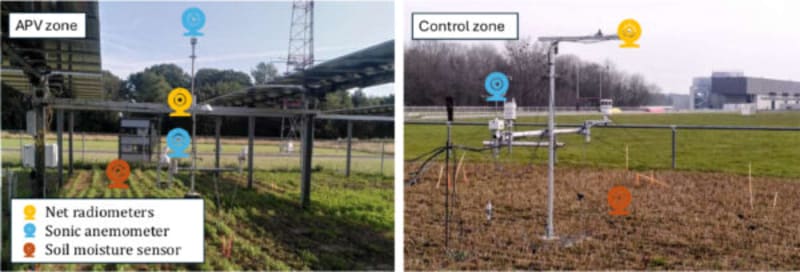
The research team installed sensitive wind measurement tools at a test facility with 18 rows of bifacial solar panels that track the sun throughout the day. They compared conditions under the panels, between rows, and in a control field without any solar equipment.
The data revealed a two-for-one benefit. Soil moisture stayed more consistent in the agrivoltaic areas, meaning crops experienced less water stress during hot months. Meanwhile, the strategic panel height created airflow that kept temperatures down, helping both plants and power production.
Why This Inspires
This research proves we don't have to choose between feeding people and powering our world. The solution was simpler than expected: just raise the panels higher. Developers now have clear guidelines for designing systems that protect agricultural yields while generating clean electricity.
The findings matter beyond individual farms. As countries worldwide seek to expand renewable energy without sacrificing farmland, agrivoltaics offers a path forward. Knowing that proper panel height creates win-win outcomes removes a major barrier to adoption.
The team published their work in the journal Energy Nexus, providing detailed measurements other researchers and developers can use. They're calling for new calculation methods specifically designed for agrivoltaic systems, since traditional farming formulas don't account for solar panels overhead.
Food security and clean energy just became better partners.
More Images
Based on reporting by PV Magazine
This story was written by BrightWire based on verified news reports.
Spread the positivity!
Share this good news with someone who needs it