Solar Panels Built to Survive Super Typhoons Now Available
A major solar manufacturer just released panels that can withstand the world's most destructive storms, protecting clean energy investments in typhoon-prone regions. The innovation could save coastal communities from losing power during extreme weather events.
Solar panels are about to get a serious upgrade in the world's stormiest regions.
Trina Solar has launched typhoon-resistant solar modules designed to survive super typhoons, the most powerful storms on Earth. The technology arrives as coastal communities across Asia face increasingly severe weather that regularly destroys traditional solar installations.
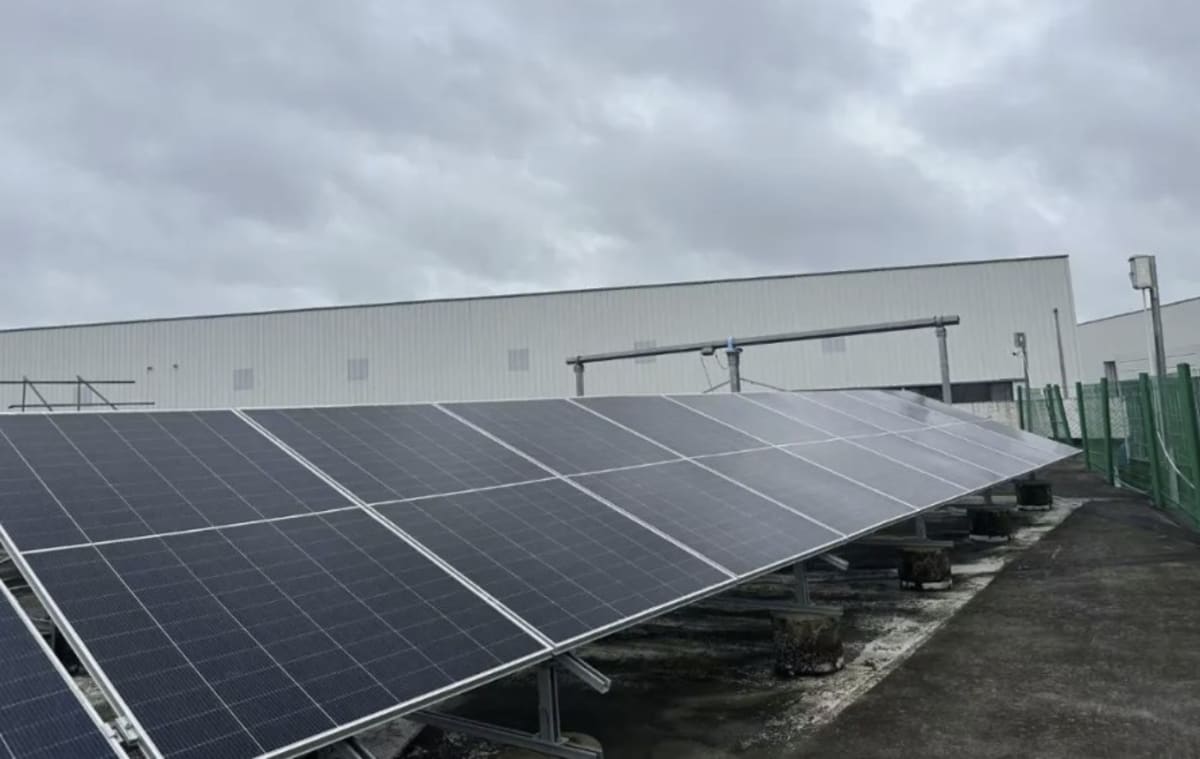
The company's standard typhoon-resistant panels can handle nearly double the wind force of conventional solar modules. Their MAX configuration goes even further, withstanding mechanical loads over 8,000 Pa, enough to survive China's Force 17 super typhoons, the highest intensity classification on the country's wind scale.
The secret lies in engineering inspired by traditional craftsmanship. Trina developed a patented locking clamp based on mortise-and-tenon joints, the ancient woodworking technique that has held buildings together for centuries. The design prevents panels from loosening during repeated storm vibrations and cuts installation time by 25%.
The frames themselves got beefed up too. Engineers widened them by 10% and thickened them by 11% to better transfer loads during extreme winds. Reinforced dual glass protects against hail up to 75 millimeters at steep angles.
For areas using solar trackers, Trina paired the reinforced panels with smart monitoring systems. When wind speeds hit dangerous levels, cloud-based sensors automatically shift panels to protective angles, adapting strategies based on real-time weather conditions.
The timing matters immensely. Last week, Typhoon Dolphin became what the World Meteorological Organization called "unusually long-lasting," forcing mass evacuations and breaking rainfall records across multiple Chinese provinces. Eastern and southern China, along with Southeast Asia, face these threats regularly.
The Ripple Effect
This technology means solar farms can now survive in places where clean energy infrastructure repeatedly failed. Communities that depend on renewable power won't lose their energy source when storms hit. Developers can confidently invest in coastal solar projects knowing their installations will weather the worst nature throws at them.
Research shows that structural failures during tropical cyclones create cascading damage, with debris from failed installations threatening nearby infrastructure. Storm-resistant panels protect not just the solar farms themselves but entire communities.
As climate patterns intensify, building resilience into renewable energy infrastructure ensures clean power stays online when people need it most.
More Images


Based on reporting by PV Magazine
This story was written by BrightWire based on verified news reports.
Spread the positivity!
Share this good news with someone who needs it