Solar Panels Could Boost Global Crop Yields by $580 Billion
Old solar panels might be better for farming than new ones, according to surprising research from Canada. Even decommissioned solar farms could increase worldwide food production worth hundreds of billions of dollars.
Scientists just flipped the script on solar farms taking land away from food production. It turns out solar panels might actually help us grow more food, not less.
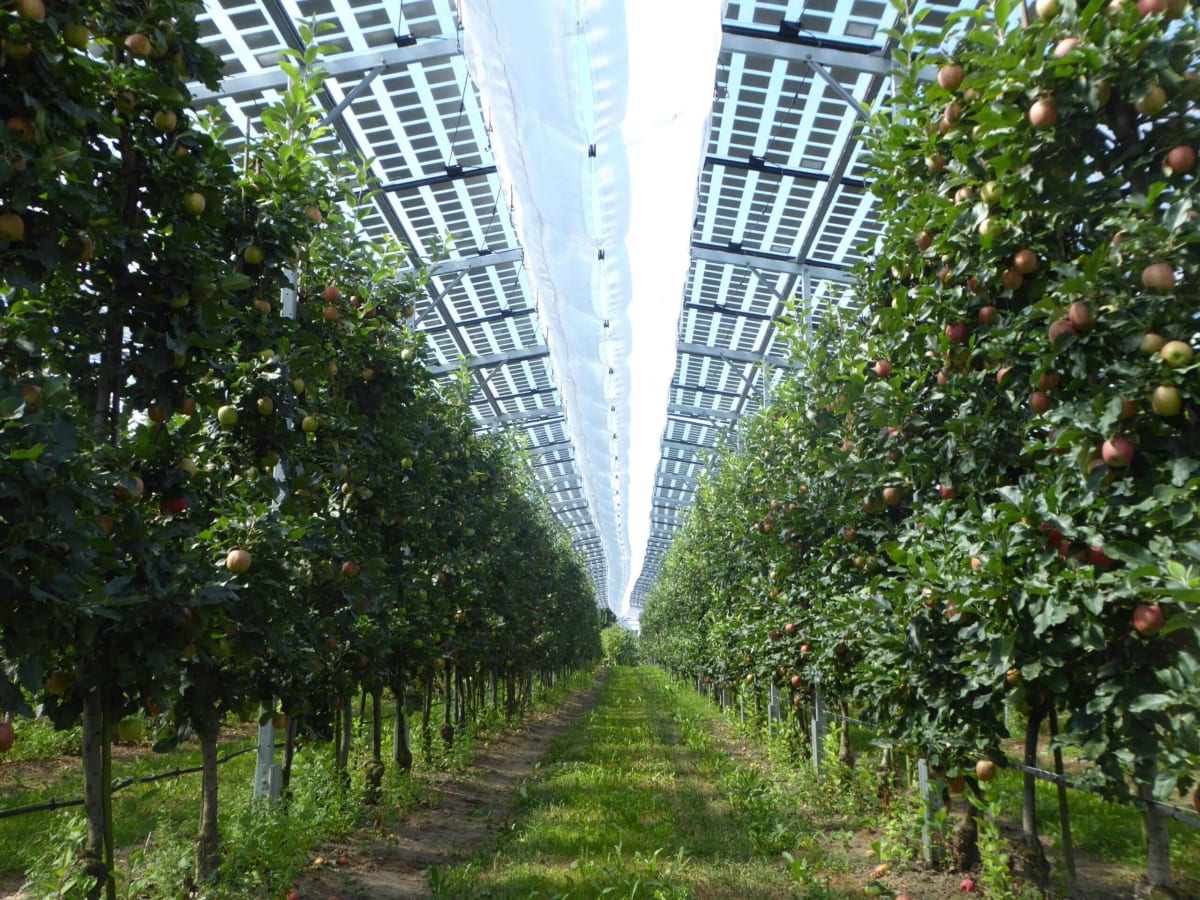
Researchers at Western University in Ontario discovered that crops growing beneath solar arrays thrive in the protective shade these panels create. The setup shields plants from scorching heatwaves, damaging hail, and other weather extremes while improving soil health.
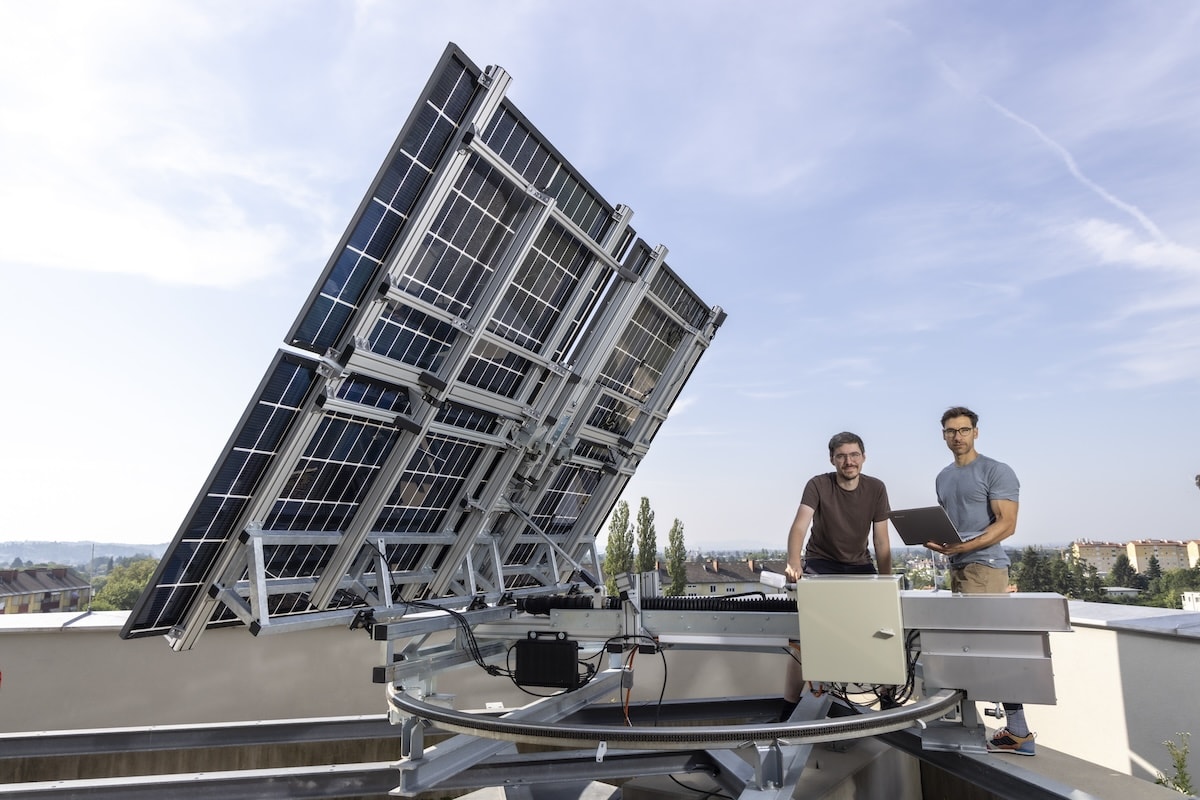
Professor Joshua Pearce led the team studying these agrivoltaic systems, where farming and solar power generation happen on the same land. Their findings challenge the common worry that solar projects steal valuable farmland from agriculture.
Here's the real surprise. The protective microclimate works even better when the panels aren't generating electricity anymore. That means old, decommissioned solar farms could become prime agricultural real estate.
The numbers paint an exciting picture. Pearce's team calculated that using unpowered solar panels purely for crop shading could boost global harvests by $580 billion. That's not from energy production but simply from the favorable growing conditions the panels create.
The shade helps crops handle heat stress better while supporting soil conservation and nutrient recycling. Farmers could even use these spaces for livestock grazing long after the panels stop producing power.
The Ripple Effect
This research offers a solution to two of our biggest challenges at once: clean energy and food security. Communities worried about choosing between solar farms and agriculture might not have to choose at all.
Decommissioned solar infrastructure has often been viewed as waste waiting to be removed. Pearce's team suggests we've been looking at it all wrong. These structures could serve as "durable agronomic assets" for decades beyond their energy-producing years.
The findings add weight to a growing movement showing that solar and agriculture work better together than apart. As climate change brings more extreme weather, these protective microclimates could become increasingly valuable for vulnerable crops.
Farmers worldwide could benefit from this dual-purpose approach, turning concerns about land use into opportunities for innovation. The research shows that even our retired technology can keep giving back in unexpected ways.
Based on reporting by Positive News
This story was written by BrightWire based on verified news reports.
Spread the positivity!
Share this good news with someone who needs it