Solar Panels in Space Could Power Earth by 2040
Scientists say satellites collecting solar energy in space could beam clean power to Earth within 15 years, solving renewable energy's biggest problem. The technology might cut Europe's need for land-based renewables by 80 percent.
Imagine satellites floating above Earth, soaking up endless sunlight and beaming clean energy down to your home 24 hours a day.
That futuristic vision moved closer to reality after a UK government study found space-based solar power could become cost-competitive with other energy sources by 2040. The technology promises something renewables have struggled to deliver: reliable power that never stops flowing.
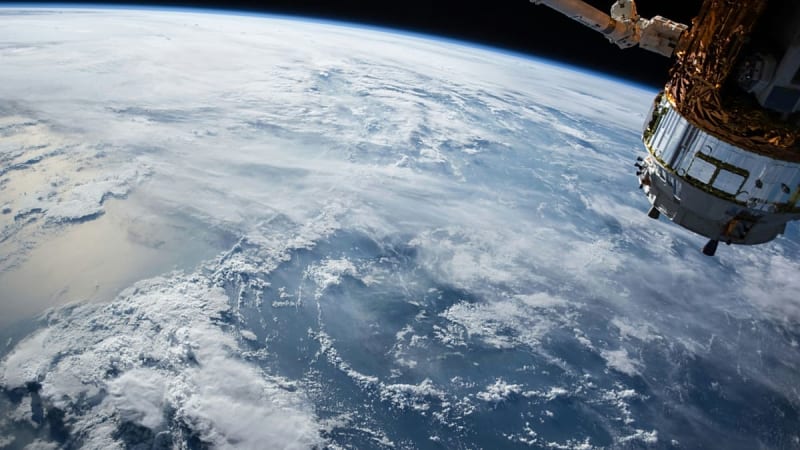
Here's how it works. Massive satellites would orbit high above Earth where the sun shines 99 percent of the time. They'd collect solar energy using mirror-like reflectors, then beam it to secure locations on the ground where it converts to electricity for homes and businesses.
The advantage over traditional solar is stunning. Space-based panels receive seven times more sunlight than ground panels in sunny climates and 13 times more than typical UK panels, according to Dr. Adam Law from Loughborough University's renewable energy center.
"Space-based solar can provide a dispatchable baseload of potentially limitless power that avoids the problem of intermittency," Law told Euronews. That intermittency costs Britain dearly. The country wasted $1.47 billion last year turning off wind turbines when the grid couldn't handle the power.
Researchers at King's College London project that by 2050, space solar could reduce Europe's need for land-based renewable energy by 80 percent. The system would connect to existing infrastructure like offshore wind farms, making the transition smoother.
The catch is cost. Developing the first gigawatt-scale prototype requires $17 billion in research across four phases. But launch costs have dropped dramatically thanks to reusable rockets from companies like SpaceX, making the dream more feasible.
Startups in the UK and US are already racing to build working systems with government and private funding. The technology needs solar cells that are both affordable and radiation-resistant to survive in space's harsh environment.
Safety concerns about power beams harming people or wildlife appear minimal. Law says the beam intensity stays low enough to prevent damage. NASA found the system would produce fewer emissions than fossil fuels and comparable emissions to ground-based renewables.
The Bright Side
Wind and solar generated more electricity than fossil fuels in the EU for the first time ever in 2025. Fossil power dropped from 37 percent to 29 percent of Europe's electricity mix in just one year.
Space-based solar could accelerate that shift by solving renewables' biggest weakness. It delivers constant power regardless of weather, time of day, or outdated grid limitations that plague ground-based systems.
"All renewable energy technologies will have a part to play in tackling climate change, especially as energy demand is expected to double by 2050," Law explains.
The road ahead won't be easy, but the payoff could be transformational: clean power everywhere, all the time.
More Images



Based on reporting by Euronews
This story was written by BrightWire based on verified news reports.
Spread the positivity!
Share this good news with someone who needs it