Solar Panels in Space Could Power Europe by 2040
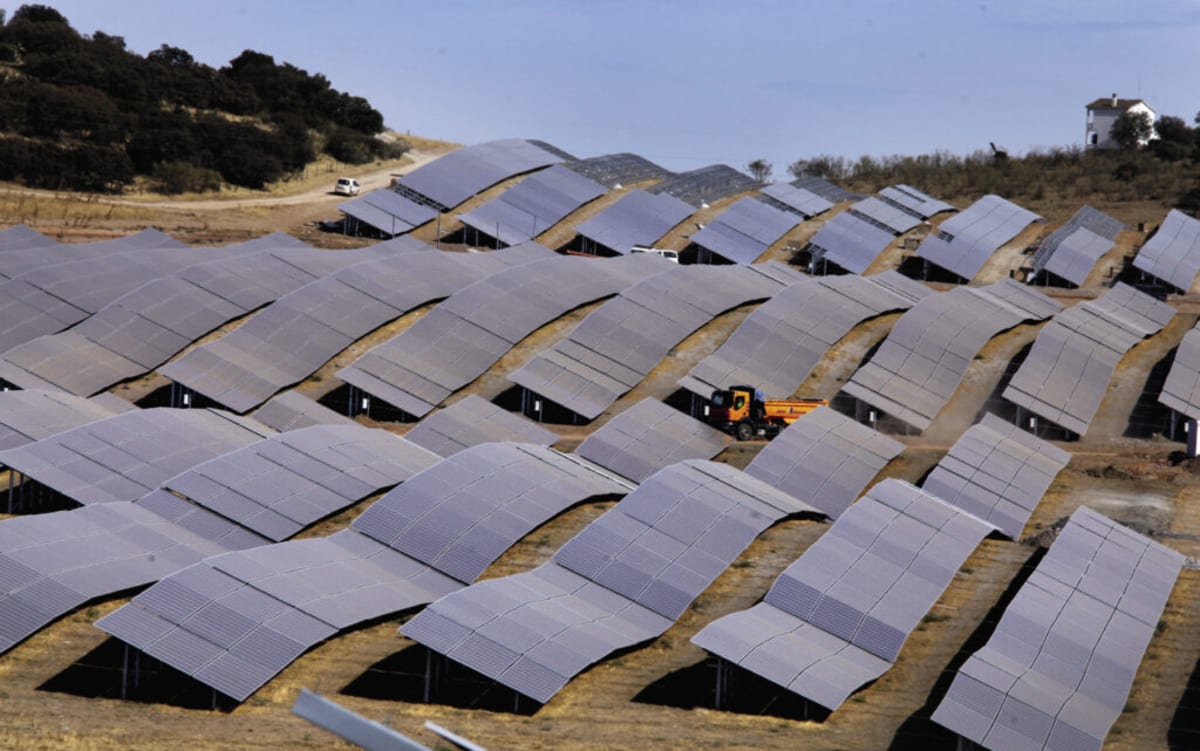
Scientists are racing to beam solar power from space to Earth, a technology that could slash Europe's land-based renewable energy needs by 80% within 25 years. What once lived in science fiction novels is becoming a real solution to our energy crisis.
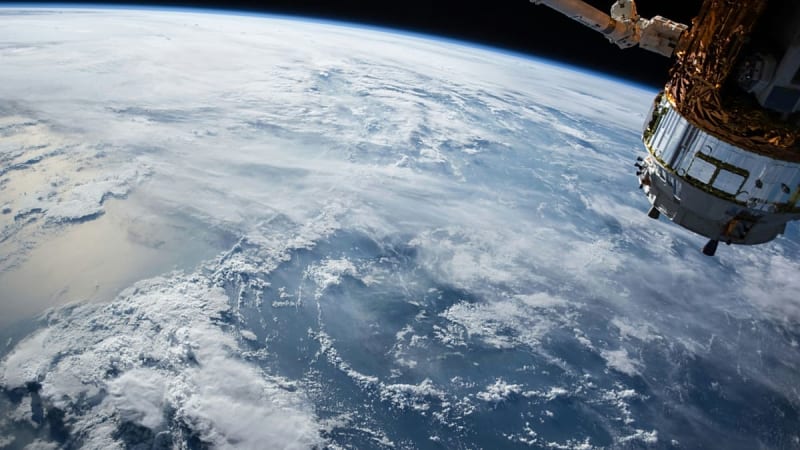
Imagine solar panels orbiting Earth, soaking up sunshine 24 hours a day and beaming clean energy directly to your home. That future might arrive sooner than you think.
Researchers are developing space-based solar power systems that could become cost-competitive with other energy sources by 2040. A recent study from King's College London found these orbiting panels could reduce Europe's need for ground-based renewable energy by 80% by 2050.
Here's how it works: massive satellites positioned in high-earth orbit collect solar energy using mirror-like reflectors. The sun shines on them over 99% of the time, unlike ground panels that depend on weather and daylight. These satellites beam power to fixed points on Earth, where it converts to electricity and flows into existing energy grids.
Dr. Adam Law from Loughborough University calls it "potentially limitless power." Space receives 1,367 watts of uninterrupted sunlight per square meter, compared to just 100 watts on average in the UK. The satellites never experience cloudy days or nighttime, solving the intermittency problems that plague wind and solar farms on Earth.
The technology isn't cheap yet. Launching the first gigawatt-scale prototype will cost around €15.8 billion in research and development. But launch costs have dropped dramatically thanks to reusable rockets from companies like SpaceX, making the dream more achievable.
Britain alone wasted €1.67 billion last year by turning off wind turbines during low-demand periods and firing up gas plants instead. Space-based solar could provide steady, reliable power without those costly gaps.
The Bright Side
For the first time ever, wind and solar generated more electricity than fossil fuels in the EU last year. Space-based solar could accelerate this clean energy revolution even further.
Startups across the UK and US are already building prototypes with government backing. The systems can connect to existing infrastructure like offshore wind farms, avoiding the need to build entirely new power grids. Engineers are designing them to be highly modular, making repairs easier and reducing space debris concerns.
NASA confirmed that while launching satellites does create some emissions, space-based solar produces far fewer greenhouse gases than fossil fuels. The power beams themselves pose no danger to humans or wildlife, operating at safe intensity levels.
Global energy demand is expected to double by 2050, and every renewable technology will need to play its part. Space-based solar offers something unique: constant, weather-proof power that requires no land, no mining for rare materials, and no habitat disruption.
The road from science fiction to reality is never simple, but researchers believe the challenge is worth it.
More Images



Based on reporting by Google News - Clean Energy
This story was written by BrightWire based on verified news reports.
Spread the positivity!
Share this good news with someone who needs it