Solar Panels Now 3X More Powerful While Getting Lighter
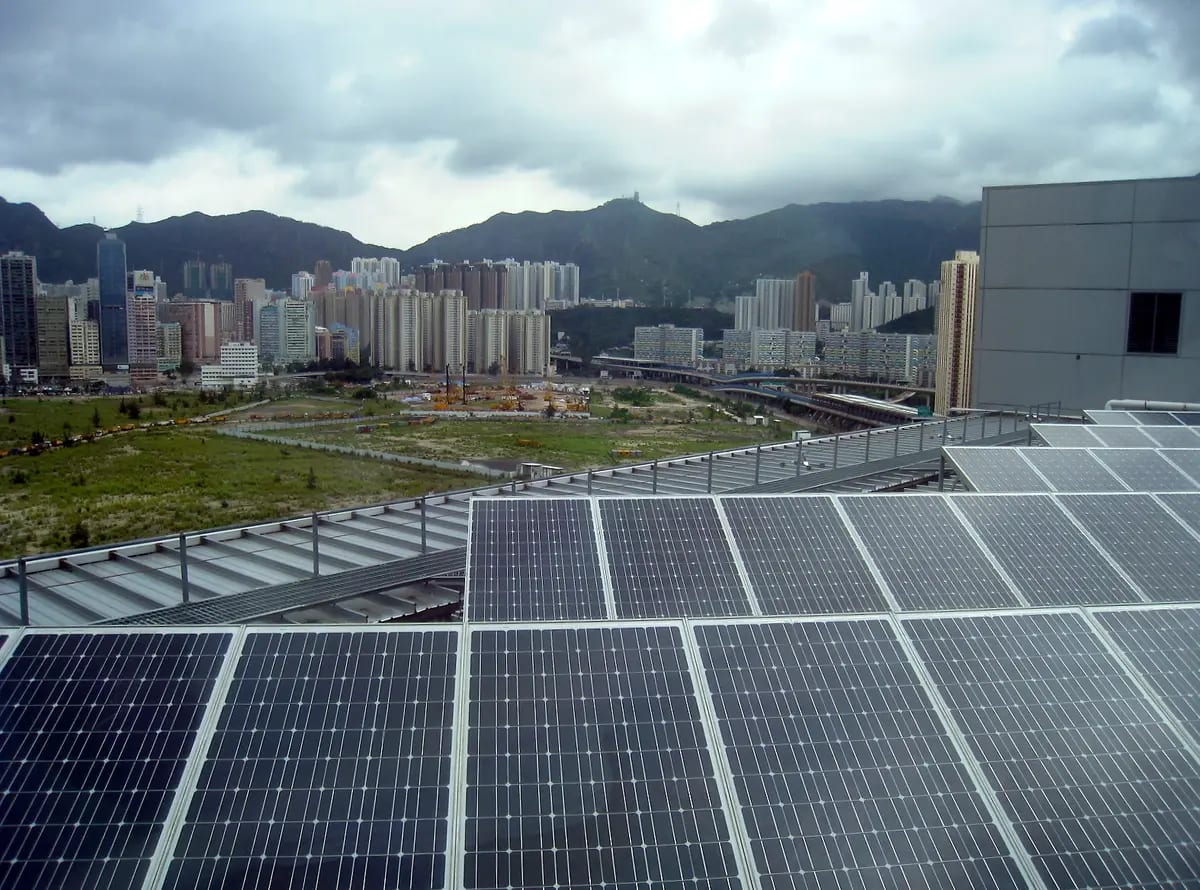
Scientists discovered that solar panels have tripled their power output per pound since the early 2000s, transforming bulky rooftop fixtures into sleek powerhouses ready for everything from space missions to portable chargers. This breakthrough opens doors to solar energy in places we never thought possible.
Solar panels are shedding weight while packing more punch than ever before.
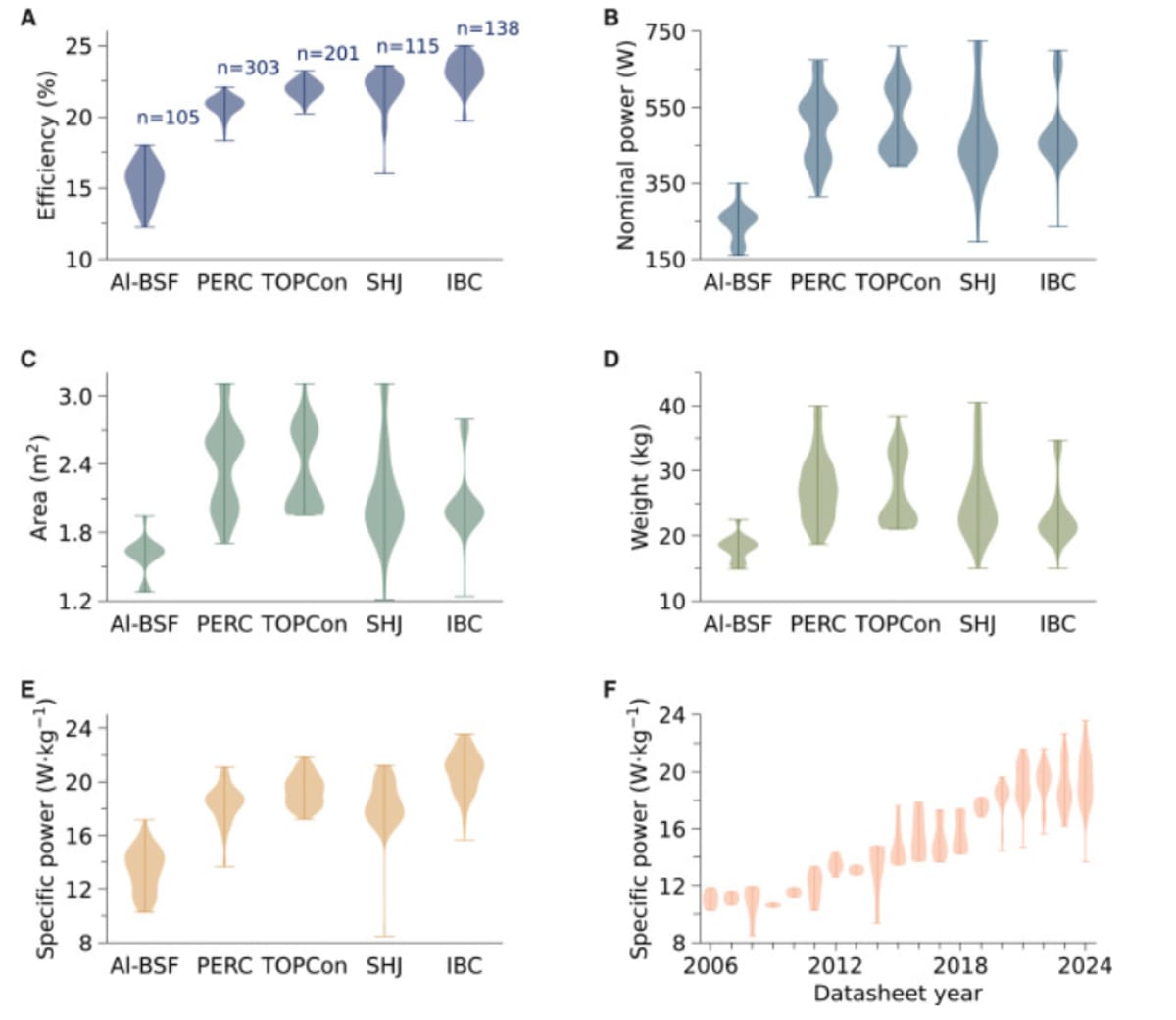
An international research team found that commercial silicon solar panels now produce 23.6 watts per kilogram, nearly triple the 8.5 watts they managed in the early 2000s. That means today's panels generate far more electricity while weighing significantly less.
This dramatic improvement changes what's possible with solar energy. Panels once confined to sturdy rooftops can now power spacecraft, mobile devices, and installations where every ounce matters.
"The conventional view of silicon panel deployment is shifting," said researcher Matthew Wright. "No longer is silicon seen as a bulky module, confined to a rooftop."
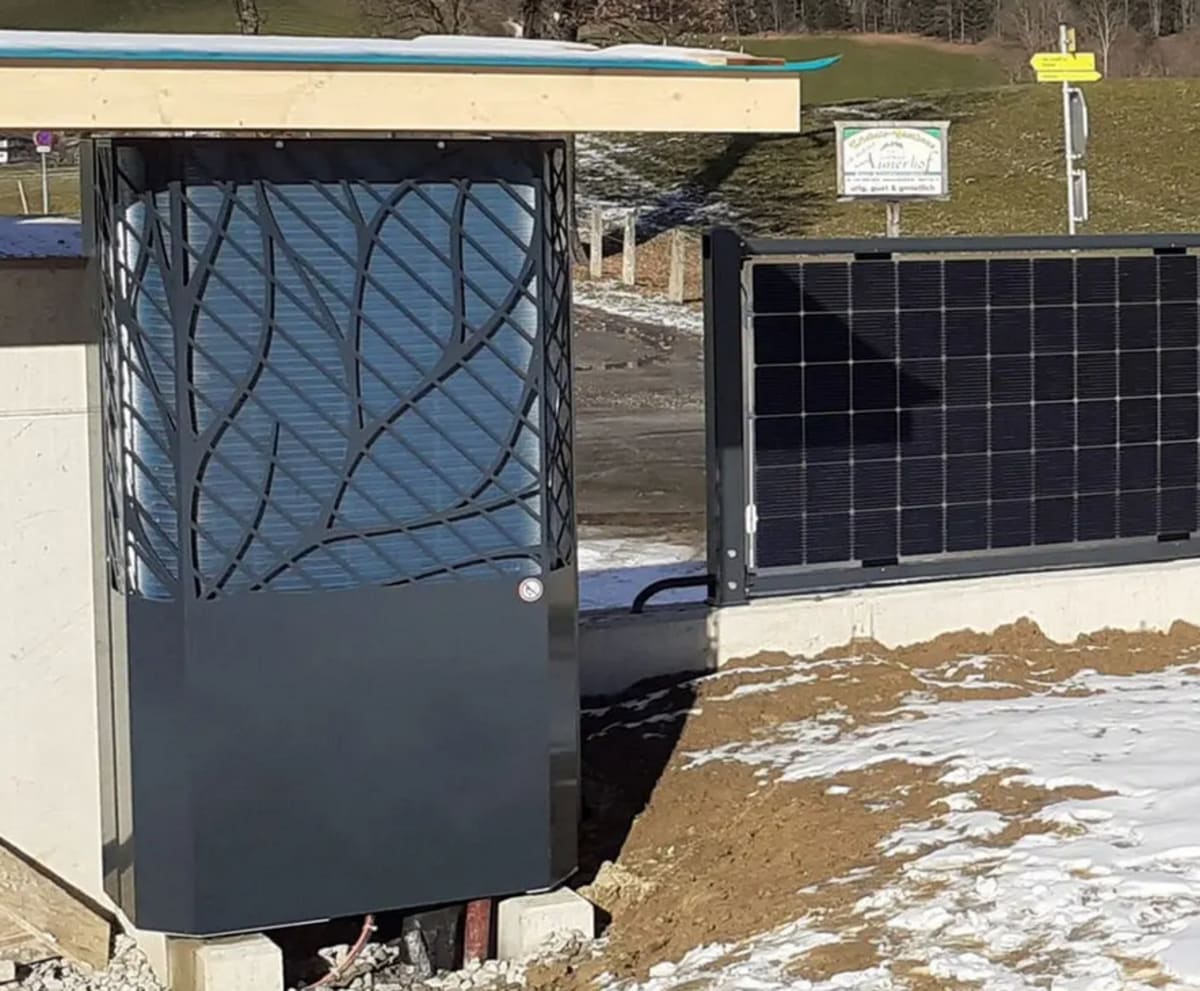
The shift represents a complete rethinking of solar panel design. Instead of one-size-fits-all solutions, manufacturers now create panels tailored for specific uses, whether aerospace applications demanding ultra-light construction or ground installations prioritizing durability.
Scientists from universities in Australia, Brazil, the United Kingdom, and the U.S. Department of Energy collaborated on the study. They discovered that certain panel types respond exceptionally well to temperature changes and light hitting both sides, further boosting performance.
The research revealed an interesting challenge: glass still dominates panel weight, making up 54% to 86% of total mass. Bifacial panels, which capture sunlight from both sides, typically use two layers of glass and weigh more, though they generate extra power that often justifies the added pounds.
Engineers face a delicate balancing act. Thinner glass and lighter frames increase power-to-weight ratios but might sacrifice the ruggedness needed for harsh weather or decades-long installations.
The Ripple Effect
This transformation unlocks solar possibilities everywhere. Lightweight panels make rooftop installation easier and safer, reducing labor costs and expanding the types of buildings that can support solar arrays.
Emergency responders can carry portable solar charging stations into disaster zones. Campers and hikers already benefit from featherweight panels that fold into backpacks. Electric vehicles might one day use body-integrated solar panels without weight penalties.
The aerospace industry stands to gain enormously. Satellites and space stations need maximum power from minimum weight, and these improved panels deliver exactly that equation.
"Our work provides a comprehensive body of evidence that illustrates these changes," noted researcher Bruno Vicari Stefani. The team's findings appear in Cell Reports Physical Science, offering manufacturers data to push efficiency even higher.
As solar continues evolving, the gap between different technologies narrows. What matters most now is matching the right panel design to each specific application, squeezing every possible watt from every ounce.
The sun's been shining for billions of years, and we're finally building tools worthy of its generosity.
More Images
Based on reporting by PV Magazine
This story was written by BrightWire based on verified news reports.
Spread the positivity!
Share this good news with someone who needs it