Solar Panels That Share Farmland Cut Costs by 80%
New solar systems let farmers keep growing crops while generating clean energy—and they're far cheaper than critics claimed. Two designs prove renewable power and food production can thrive together.
Farmers may have found the perfect marriage between solar power and agriculture, and it's turning out far more affordable than skeptics suggested.
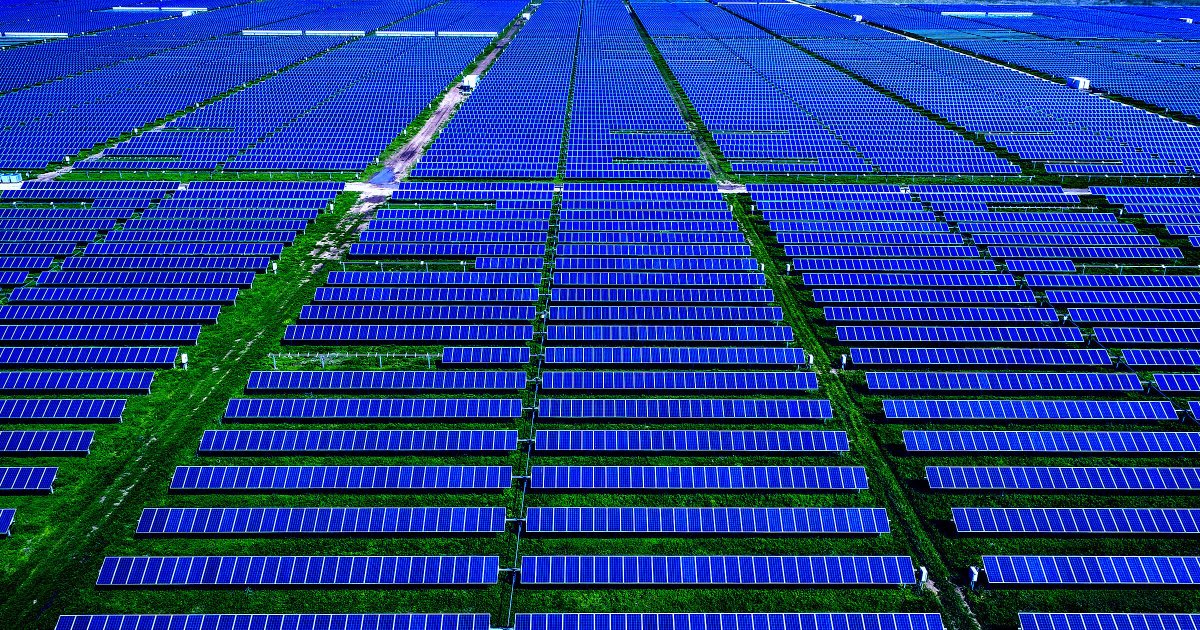
Agrivoltaics—solar panels designed to work alongside farming—can cost as little as 4% more than regular solar installations when using smart configurations. That sharply contradicts a recent German study claiming these dual-use systems cost up to 148% more, a figure that only applies to specialized elevated panels used in orchards.
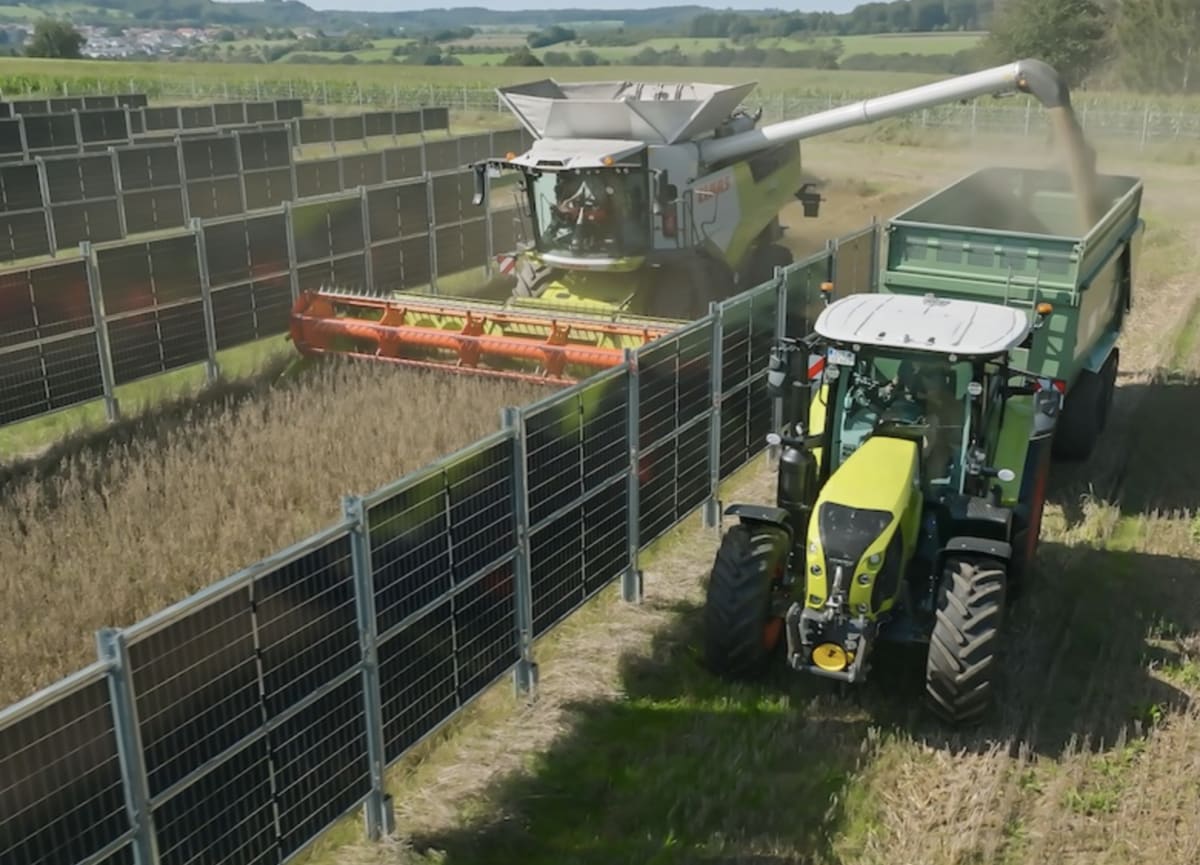
Energy analyst Jochen Hauff reviewed the data and found two winning designs. Vertical solar panels add just 4% to costs, while tracker systems that follow the sun throughout the day run about 12% to 13% higher than standard ground-mounted panels.
The real game-changer comes when you count the money these systems actually make, not just what they cost to build. Tracker systems produced 43% higher revenue than fixed panels in a 2024 analysis, thanks to generating power more evenly throughout the day when it's worth more to the grid.
That steady power flow helps everyone. Instead of flooding the grid with electricity only at noon, these systems spread generation across morning and evening hours when demand stays strong.
The land savings tell an even better story. Traditional solar farms remove an entire hectare of farmland for each unit of power generated. Vertical panels cut that to 0.4 hectares, while tracker systems drop it to just 0.2 hectares—meaning 60% to 80% of the land keeps growing food.
The Ripple Effect
Beyond the balance sheets, these dual-use farms build resilience into rural communities. The panels shield crops from wind erosion, heavy downpours, and scorching sun while helping soil retain precious moisture during dry spells.
Farmers get two income streams from the same acre—food and clean energy. Rural areas strengthen their economic foundation without sacrificing agricultural productivity. And the grid gets more reliable renewable power that doesn't overwhelm transmission lines at peak solar hours.
The analysis suggests agrivoltaics deserves recognition as a practical tool for rural prosperity, not an expensive experiment. When both revenue and land efficiency enter the equation, sharing farmland with solar panels makes economic sense.
Rural communities can now power homes and grow dinner on the same ground.
More Images
Based on reporting by PV Magazine
This story was written by BrightWire based on verified news reports.
Spread the positivity!
Share this good news with someone who needs it