Solar Power Ends Coal Burning for 80 Families in Mongolia
In the world's coldest capital city, a physicist traded cancer research for climate action and brought solar heating to families who once had no choice but to burn coal. Three winters later, none of them have touched coal again.
Unurbat Erdenemunkh watched his two young children get hospitalized six times last year because of Ulaanbaatar's toxic air. He lives in an upmarket apartment, but families in the city's ger districts face dangers so severe that air pollution kills one in every ten people.
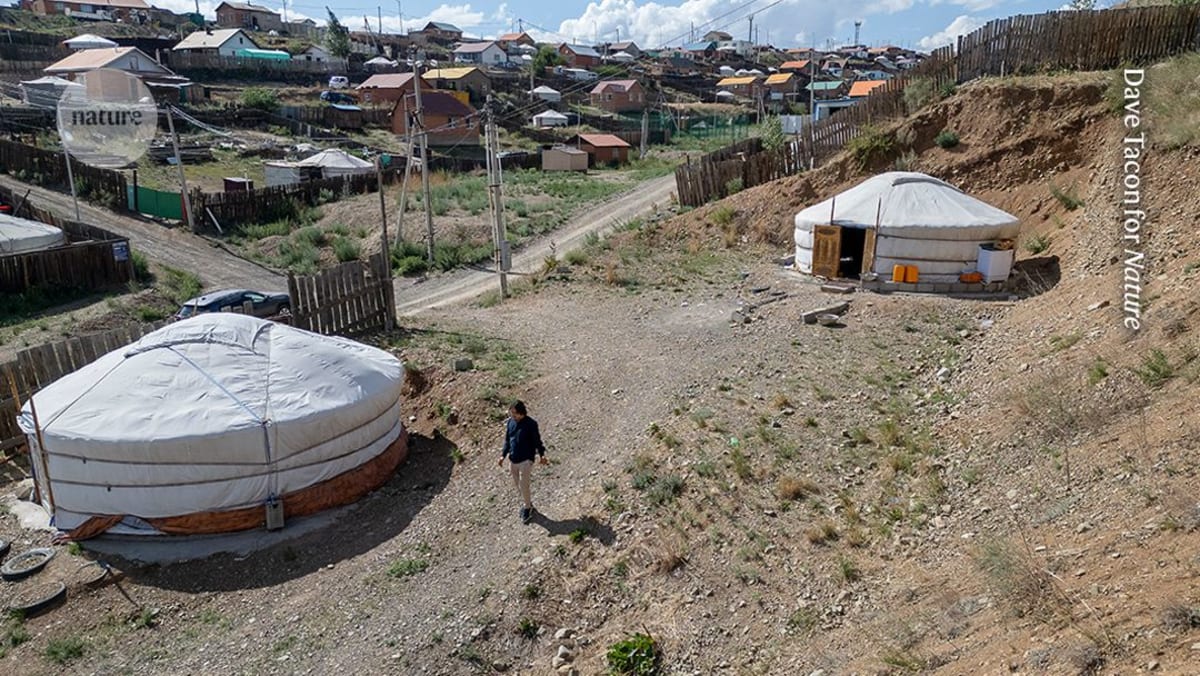
Ulaanbaatar, Mongolia sits in a valley 1,300 meters above sea level where winter temperatures drop below negative 35 degrees Celsius. One million of the city's 1.6 million people live in gers, traditional circular tents that have sheltered Mongolians for 2,500 years.
The city was planned for 600,000 people in the 1970s. Now, climate refugees fleeing deadly zud events (when frozen ground starves grazing animals) have swelled the population, and families burn coal, wood, tires, and plastic just to survive the winter.
The smoke gets trapped in the valley. Last winter, air pollution levels hit 27 times higher than World Health Organization limits, and an estimated 7,000 Mongolians died from breathing the air.
Erdenemunkh, a former experimental physicist who specialized in proton therapy, left his medical research career in Massachusetts and the Netherlands to return home. In 2022, after completing a master's in environmental economics, he cofounded URECA with investor Orchlon Enkhtsetseg to develop climate solutions for Central Asia.
Their flagship Coal-to-Solar project started with 80 families in Ulaanbaatar's hillside ger districts. URECA pays for solar panels, electric heaters, batteries, and smart meters to monitor performance.
The hybrid system connects to the grid but can run independently for up to six hours using heat stored in bricks and energy stored in batteries. This matters in a city where power outages happen regularly and winters are brutal.
The Ripple Effect
It took trust for these families to abandon coal completely. Many had been forced to leave their traditional nomadic herding lifestyle because of catastrophic weather, arriving in the city as climate refugees with few options.
Now these low-income families have become climate champions. Not one of the 80 households has burned coal in three years, proving that clean energy works even in the world's coldest capital.
This winter, URECA is expanding the program to 180 families. Carbon monoxide poisoning from coal burning has killed more than 800 people in Ulaanbaatar over the past seven years, but Erdenemunkh sees a path forward where families can stay warm without poisoning themselves or their neighbors.
The ancient ger, recognized by UNESCO as intangible cultural heritage, is getting a modern upgrade that honors tradition while protecting lives.
More Images

Based on reporting by Nature News
This story was written by BrightWire based on verified news reports.
Spread the positivity!
Share this good news with someone who needs it