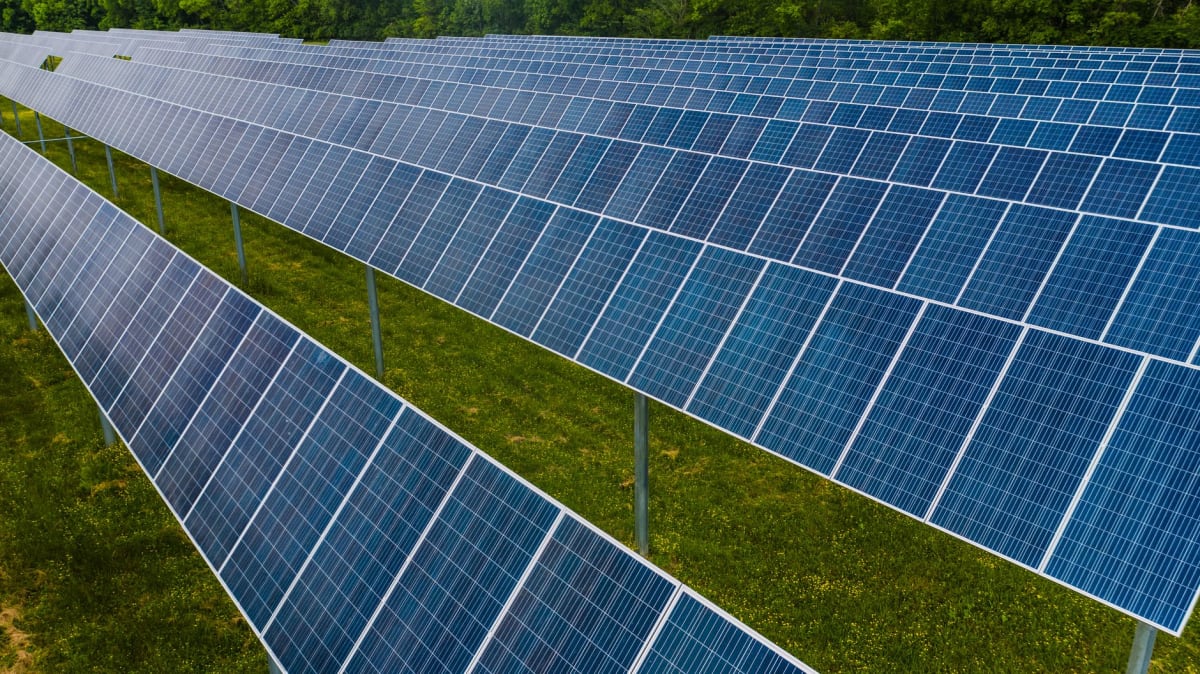
Solar Power Hit Record 600 TWh Growth in 2025
Solar energy just achieved the largest single-year growth of any electricity source in modern history, generating enough new power to supply millions of homes worldwide. The challenge now shifts from whether solar works to how we make the most of its abundant midday energy.
Solar power just broke every record in the book, and the news gets better the deeper you look.
In 2025, solar panels worldwide generated 600 terawatt-hours more electricity than the year before. That's the biggest annual jump ever recorded for any power source outside of economic rebounds, according to the International Energy Agency.
To put that in perspective, total solar generation reached nearly 2,700 terawatt-hours last year. That's more than double what solar produced in 2022, now powering over 8 percent of all electricity used globally.
Solar isn't a small-scale experiment anymore. It grew faster than coal, gas, or any other energy source, supplying more than a quarter of the world's increase in energy demand last year.
China, the United States, India, and the Middle East all saw solar generation climb by at least 20 percent. For the first time, researchers called a modern renewable source the largest contributor to global energy growth.
One common concern about solar is the energy required to manufacture panels. Researchers at the National Renewable Energy Laboratory found that modern solar systems pay back that energy debt in just six months to a year, then keep producing clean electricity for three decades.
The real challenge isn't whether solar can produce meaningful power. It's what happens when millions of panels produce electricity at the same time, flooding the grid with energy at noon but dropping off just as families come home and turn on lights.
The Bright Side
Engineers are already solving the timing puzzle with solutions that work together. Battery storage costs dropped 40 percent in 2024, making it cheaper to save afternoon sunshine for evening use.
But batteries are just one tool. Power grids can move surplus solar energy from sunny regions to cloudy ones. Some factories and water heaters are shifting their energy use to bright afternoon hours when electricity is abundant and cheap.
Even curtailment, when operators ask solar farms to produce less during midday surplus, doesn't mean wasted potential. It means we're learning to coordinate generation with real-time demand, making the whole system more efficient.
The International Energy Agency found that generation, grids, and flexibility need to grow together. That's not a problem with solar itself but an invitation to modernize how we move and store electricity.
Countries installing record amounts of solar are simultaneously building the infrastructure to use it well. The sunshine keeps arriving on schedule, and we're getting better at meeting it where it lands.
More Images




Based on reporting by Google News - Solar Power Record
This story was written by BrightWire based on verified news reports.
Spread the positivity!
Share this good news with someone who needs it