Solar Power Hits 2 Cents Per kWh as DC Climate Week Opens
DC Climate Week brought together innovators and environmental leaders as solar energy costs drop 90% since 2010, making renewable power cheaper than ever. Despite reduced government incentives, American households continue embracing solar at record rates.
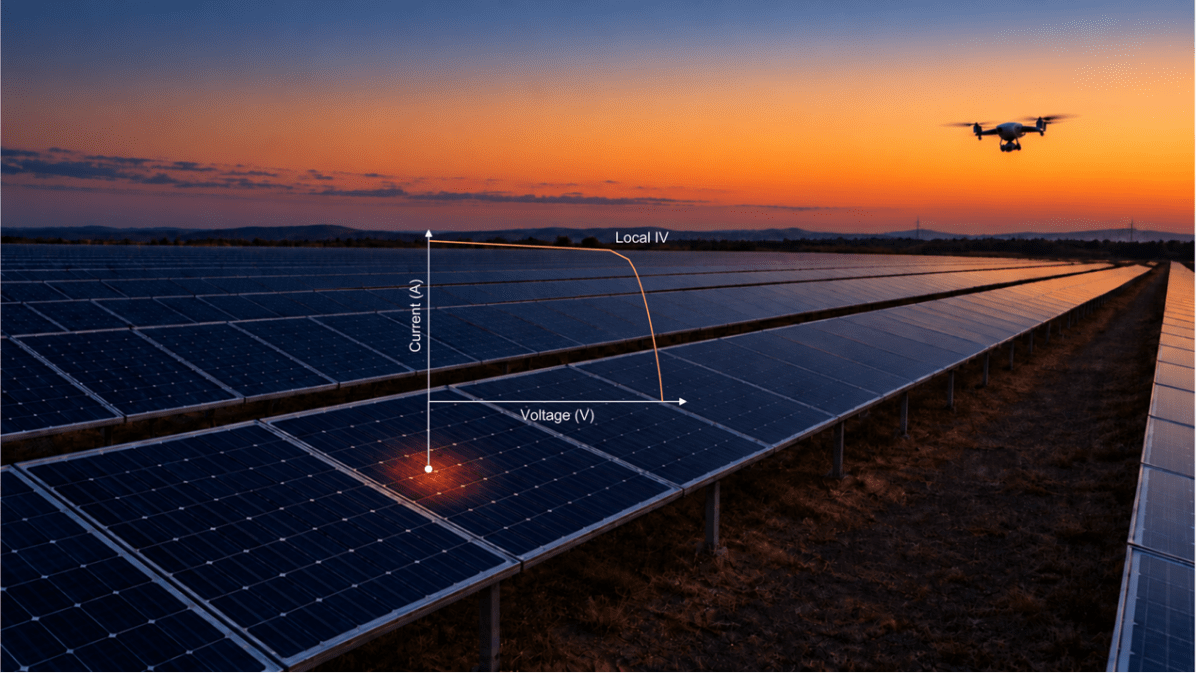
Solar power just became the world's cheapest energy source at 2 cents per kilowatt hour, and American families are taking notice even as federal support fades.
DC Climate Week opened with CEOs, scientists, and environmental advocates celebrating a renewable energy milestone. Since 2010, solar electricity costs have plummeted nearly 90 percent, transforming what was once an expensive alternative into the most affordable power option globally.
"This is the climate economy," said Nelson Switzer, Managing Partner of Climate Innovation Capital and author of The Gigacorn Hunter. His message resonated as households across the United States turn to rooftop solar to slash electricity bills and reduce their environmental footprint.
The shift comes at a crucial moment. Global tensions and disruptions in the Strait of Hormuz have pushed gas prices higher, making renewable alternatives even more attractive to budget-conscious families.
Sumit Bhatnagar, CEO of Green Brilliance, noted that consumer motivation now combines financial savings with environmental awareness. His company installs rooftop solar systems that allow households to generate their own clean energy, reducing dependence on traditional power grids.
Federal solar incentives have dropped dramatically from their previous $20,000 peak, yet adoption continues climbing. The industry's resilience proves that renewable energy has crossed a critical threshold where economics alone drive growth.
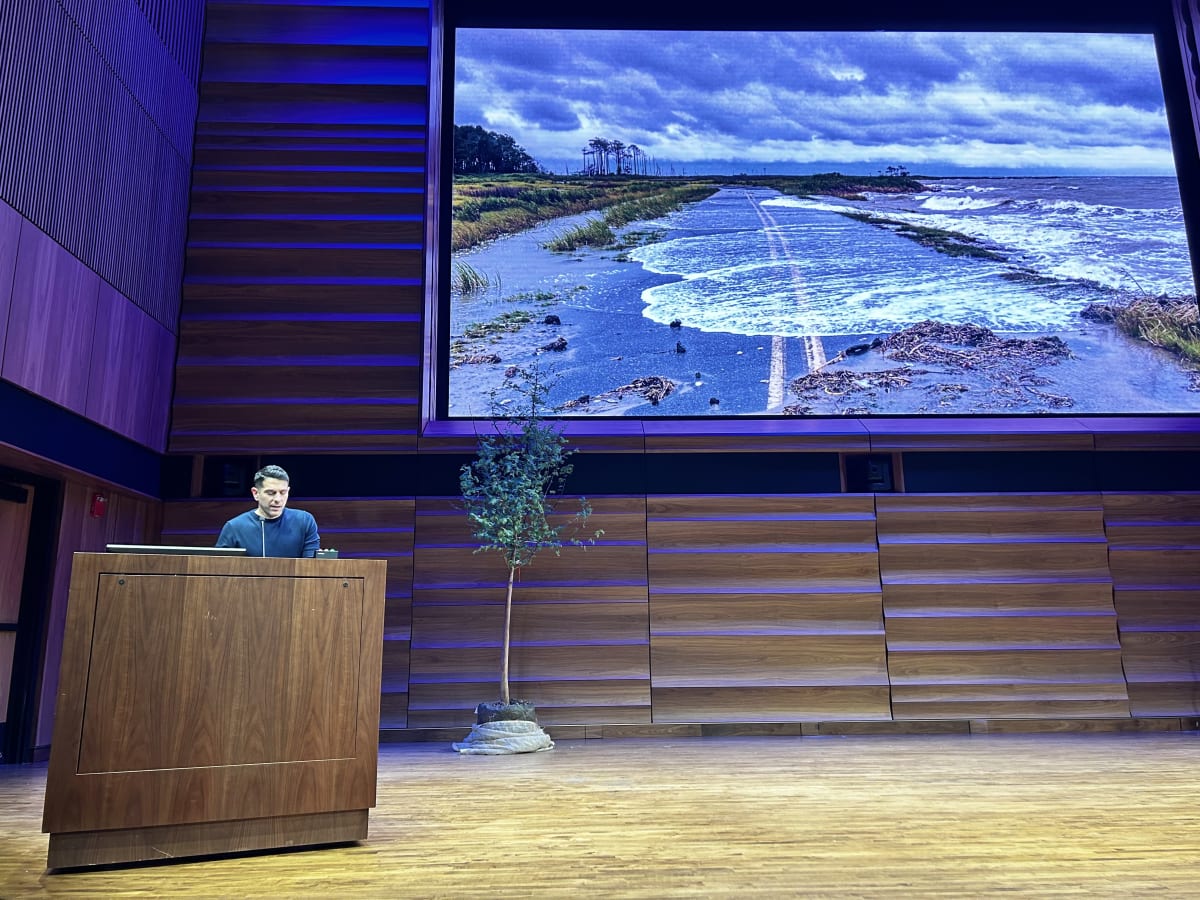
The conference highlighted restoration efforts beyond energy production. Hilary Harp Falk, president of the Chesapeake Bay Foundation, shared her organization's work combating severe flooding and erosion in Annapolis through tree planting, oyster regeneration, and coastal water health improvements.
Photographer Greg Kahn added visual testimony through his series "Three Millimeters: Connecting Science to Humanity." His images document the Chesapeake Bay shoreline's gradual transformation, capturing wildlife impacts and biodiversity shifts as waters rise.
The Ripple Effect
DC Climate Week extended beyond conference rooms into community experiences. Music performances, poetry showcases, and guided forest tours engaged the public throughout the city, transforming climate action from abstract policy into shared human experience.
China invested $800 billion in clean energy last year alone, dominating global supply chains for the transition. American innovation continues advancing despite shifting political priorities, proving market forces now power the renewable revolution as much as government mandates.
The convergence of plummeting costs, rising traditional energy prices, and growing environmental awareness signals a tipping point where clean energy becomes the obvious choice for millions of households seeking both savings and sustainability.
More Images

Based on reporting by Regional: turkey innovation (TR)
This story was written by BrightWire based on verified news reports.
Spread the positivity!
Share this good news with someone who needs it