Solar Power Rescues France as Heat Shuts Down 13 Reactors
When scorching heat forced 13 nuclear reactors offline across France, solar panels stepped up to keep the lights on. The same heatwave that threatened the power grid became the solution, with solar generation hitting 35% of the country's electricity mix.
When scorching heat forced 13 nuclear reactors offline across France this August, solar panels stepped up in a powerful display of clean energy resilience. The same heatwave that threatened the country's power grid became part of the solution.
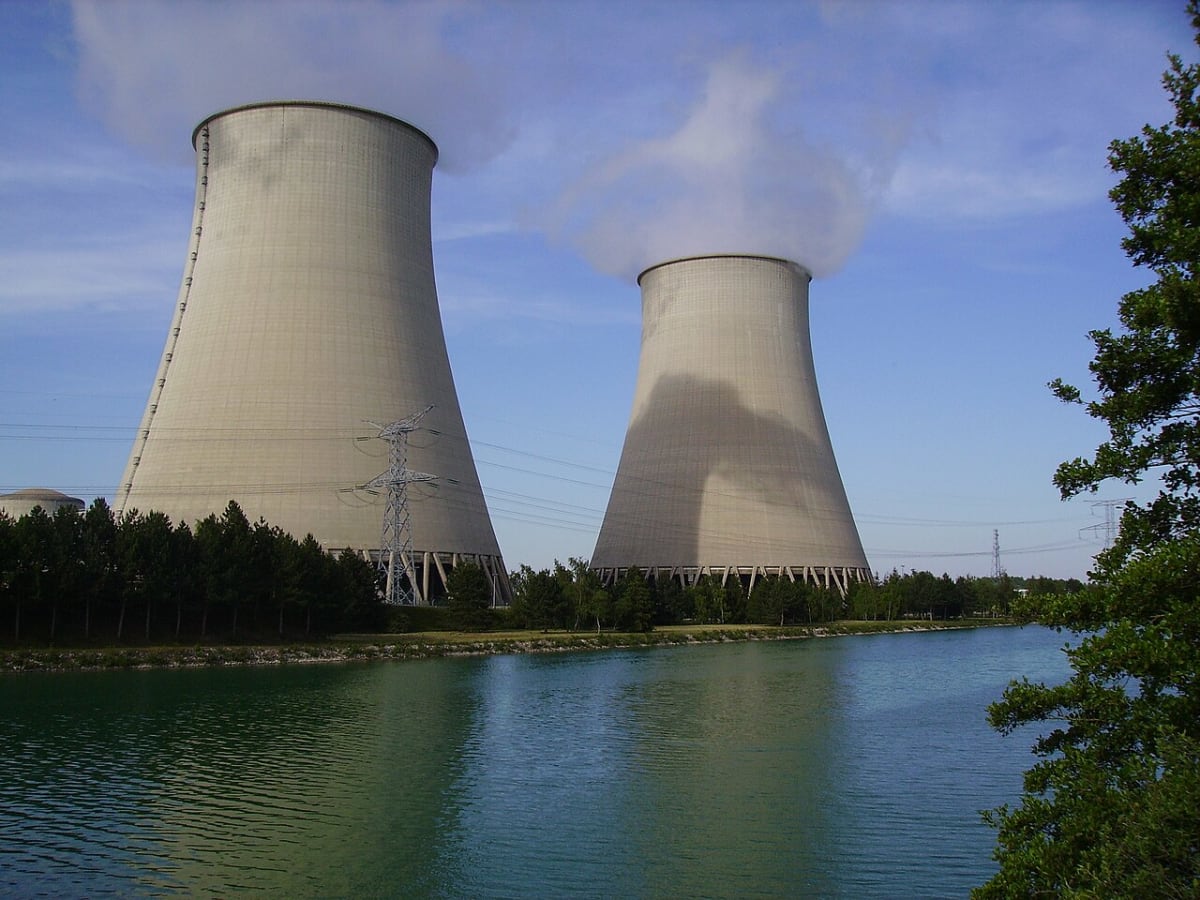
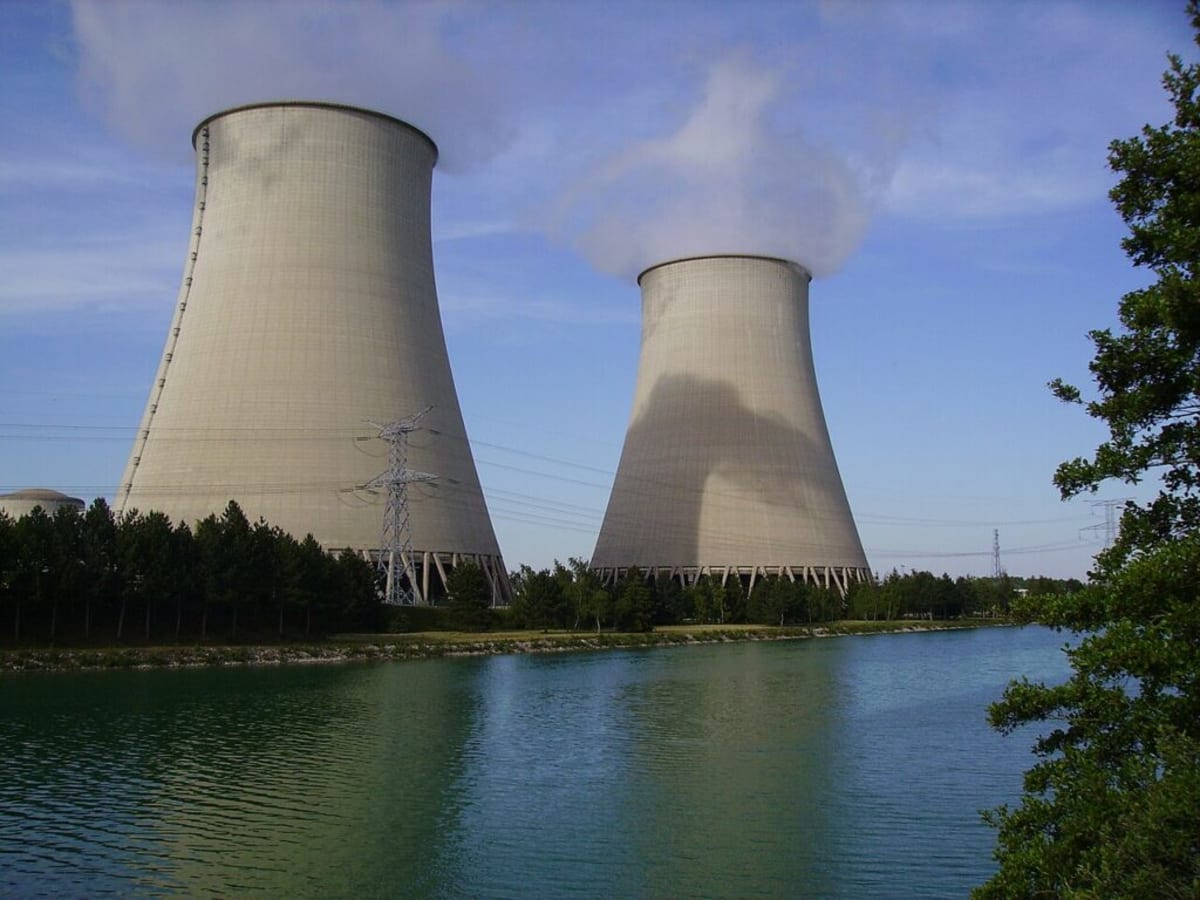
The shutdowns represented over 20% of France's nuclear capacity, the highest level since 2015. Nuclear plants rely on cool river water for operations, but soaring temperatures and drought conditions made this impossible at facilities from Blayais to Saint-Alban.
Solar generation filled the gap beautifully. For several weeks running, solar panels have accounted for up to 35% of France's electricity generation, shining strongest precisely when traditional power sources struggled most.
The pattern repeated across Europe. Research from energy think tank Ember found solar output running 17% above normal in France and Hungary during late June and July heatwaves, with Spain and Italy seeing 5% increases.
Meanwhile, thermal and nuclear plants faltered continent-wide. Five gas plants in the UK reduced production, low water in Italy's Po River threatened thermal operations, and Hungary's Paks nuclear plant, which supplies nearly half the country's electricity, sharply cut output when the Danube ran low.
Even hydropower took a hit. Seven of the EU's eight largest hydropower producers recorded generation below their five-year averages.
"The rise in solar power generation helped stabilize the grid at a time when other energy sources were struggling to operate normally," said Chris Rosslowe, an Ember analyst.
The Bright Side
The challenge arrives after sunset when air conditioning demand stays high but solar generation drops to zero. This is where battery storage enters the picture as the next frontier in clean energy resilience.
By storing daytime solar electricity and releasing it during evening peaks, batteries could reduce reliance on expensive thermal generation. During the late June and early July heatwaves, average daily electricity prices jumped 119% in Hungary, 44% in France, and 13% in Italy, with notable spikes in early evening hours.
The combination of solar and storage offers European grids a cleaner path through increasingly common extreme weather. "Solar power helps us during the day, but battery storage can take over in the evening," Rosslowe explained. "Together, they represent one of the cleanest ways to make the European electricity system more resilient during the hottest summers."
What began as a climate challenge revealed a climate solution already working at scale.
More Images


Based on reporting by PV Magazine
This story was written by BrightWire based on verified news reports.
Spread the positivity!
Share this good news with someone who needs it