
Solar-Powered Clinics Bring Healthcare to Nairobi Streets
A Kenyan startup is parking solar-powered buses equipped with X-rays and dental care in crowded neighborhoods, slashing healthcare costs and travel time for thousands of workers. After one bus covered its costs, Zuri Health just added two more.
For a market trader in Nairobi, getting sick often means an impossible choice: lose a day's income traveling to a hospital, or skip care altogether.
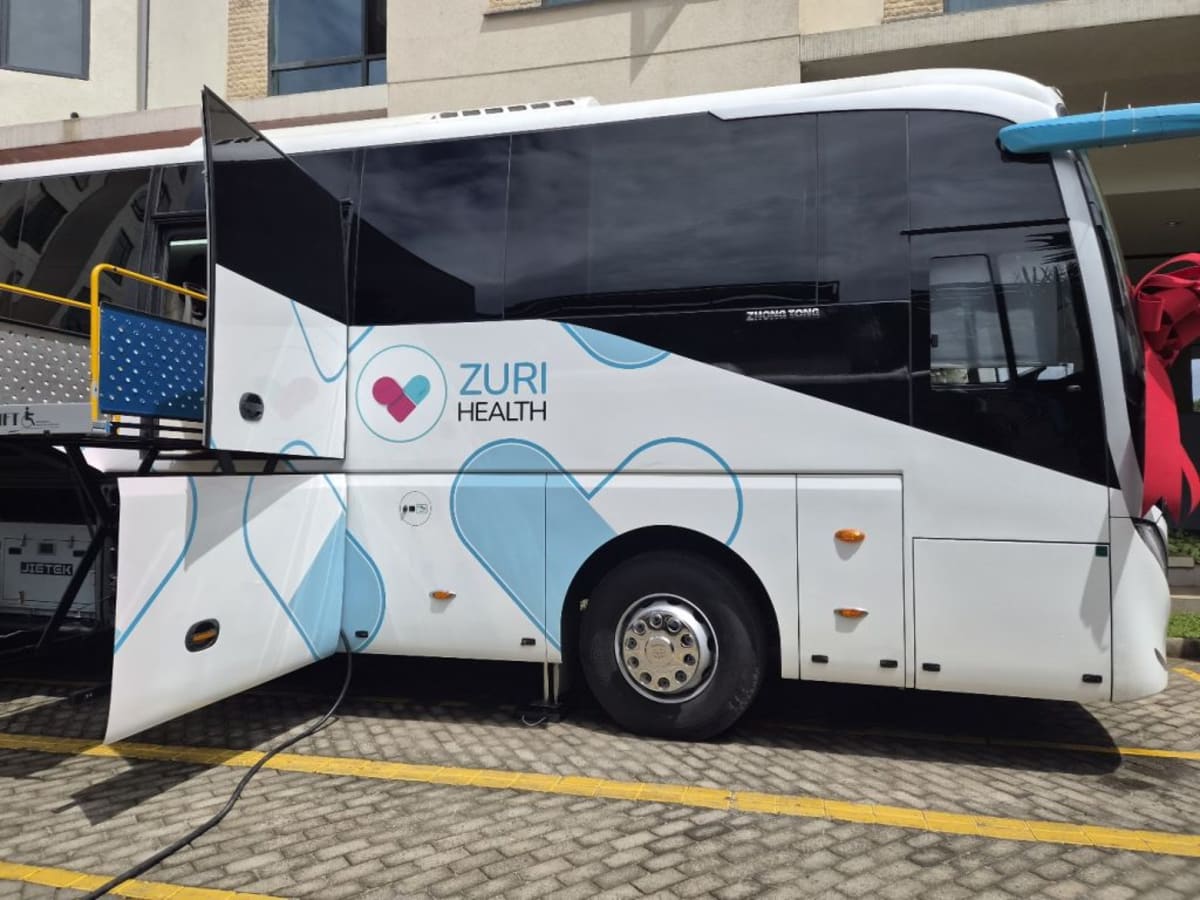
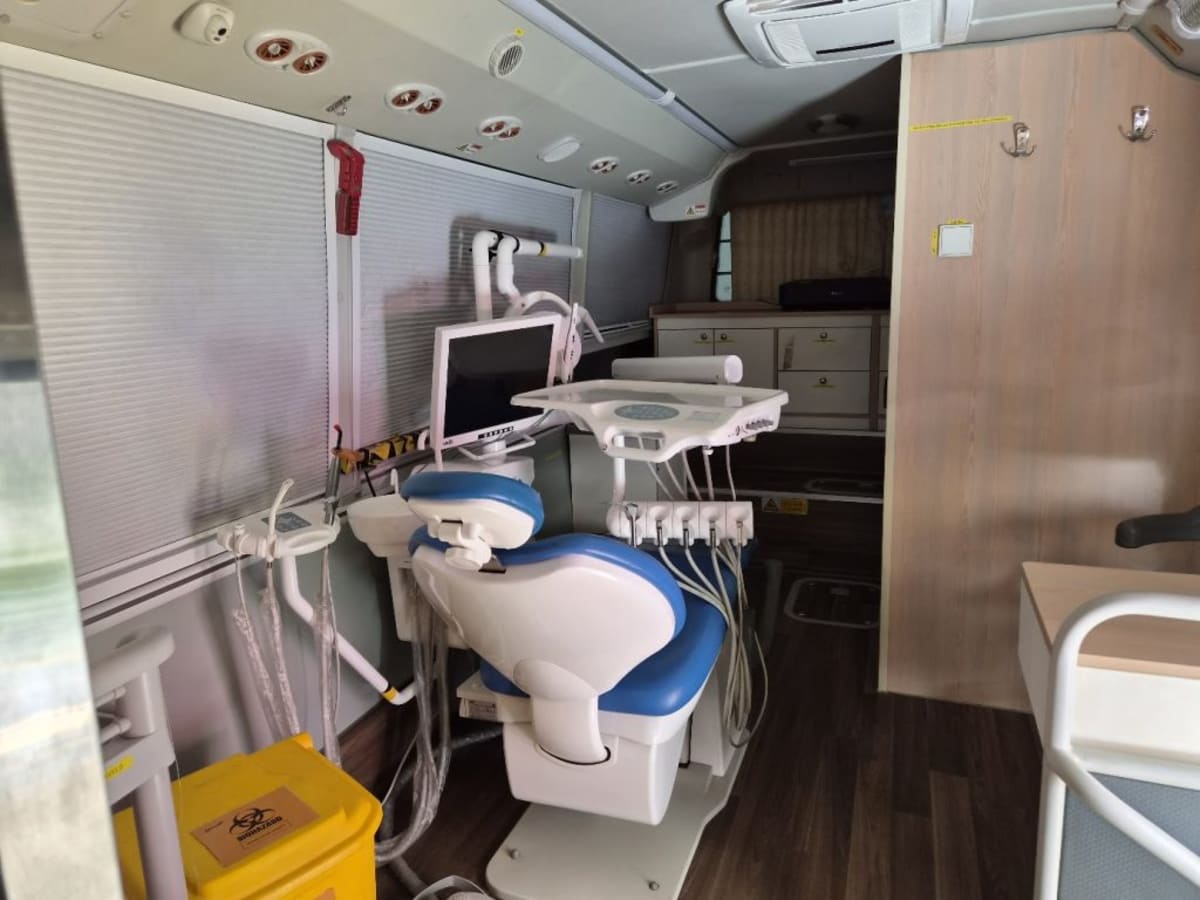
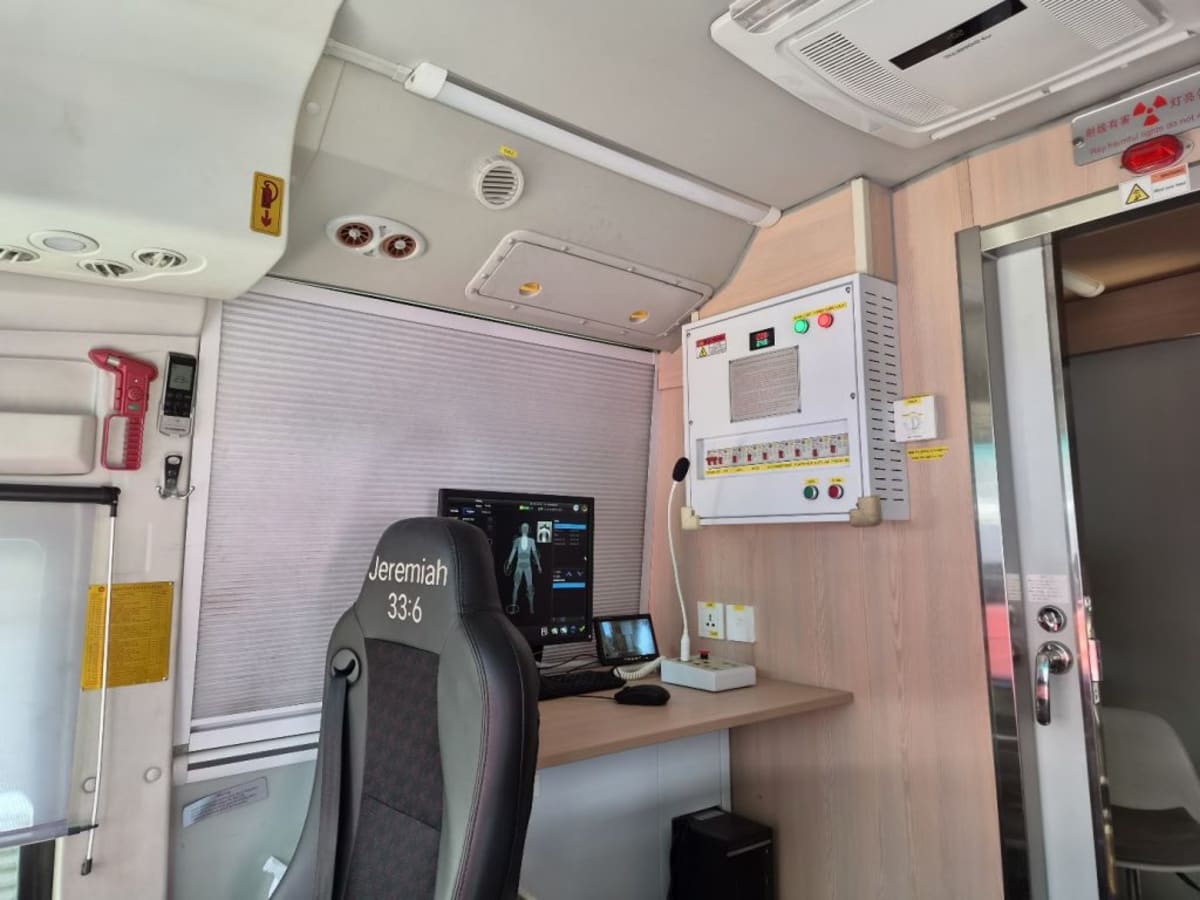
Zuri Health is solving that problem by bringing the hospital to them. The Kenyan startup now operates three mobile clinics on buses that park in high-traffic neighborhoods across Nairobi, offering everything from X-rays to dental care and cervical cancer screening.
The model works because it started working. Zuri's first mobile clinic bus covered its operating costs, proving that healthcare on wheels could be both affordable and sustainable. That success just led to two more buses hitting the streets.
Two of the buses function as self-contained solar-powered clinics. The third handles logistics and restocking, keeping the medical units running continuously without needing fixed infrastructure.
Unlike traditional mobile clinics in Kenya that run short-term campaigns, Zuri operates daily in the same high-density areas where people work. A consultation starts at 500 Kenyan shillings (about $4), with a typical visit including tests and medication costing around 1,500 shillings ($12). That's half what most private hospitals charge and competitive with public facilities that often have hours-long waits.
"A market trader will not have to close her stall or spend hours travelling to a hospital," says CEO Ikechukwu Anoke. "We are taking the hospital to them."
The buses rotate locations based on data from previous medical camps and Zuri's telemedicine platform, where patients can also consult doctors remotely and book follow-up visits. Revenue comes from walk-in patients and corporate clients booking on-site health checks for employees.
The startup also partners with insurers, including Kenya's government-backed Social Health Authority, expanding access beyond those who can pay out of pocket.
The Ripple Effect
The impact reaches beyond convenience. For low-income workers, the real cost of healthcare isn't just the consultation fee. It's the hours lost traveling, waiting, and not working.
By parking clinics where people already are, Zuri eliminates that hidden tax on seeking care. Workers keep their income. Families catch health problems earlier. Communities that might skip treatment altogether now have healthcare as accessible as their corner market.
Founded in 2020, Zuri validated this approach over three years of medical camps across Kenya. Now those temporary wins are becoming permanent fixtures on Nairobi streets, proving that bringing care to people works better than waiting for people to come to care.
If this scales, routine healthcare in Nairobi could look completely different: less about traveling to clinics, more about clinics coming to you.
More Images
Based on reporting by TechCabal
This story was written by BrightWire based on verified news reports.
Spread the positivity!
Share this good news with someone who needs it