Solar Robot Builds 1 Gigawatt of Power Per Year
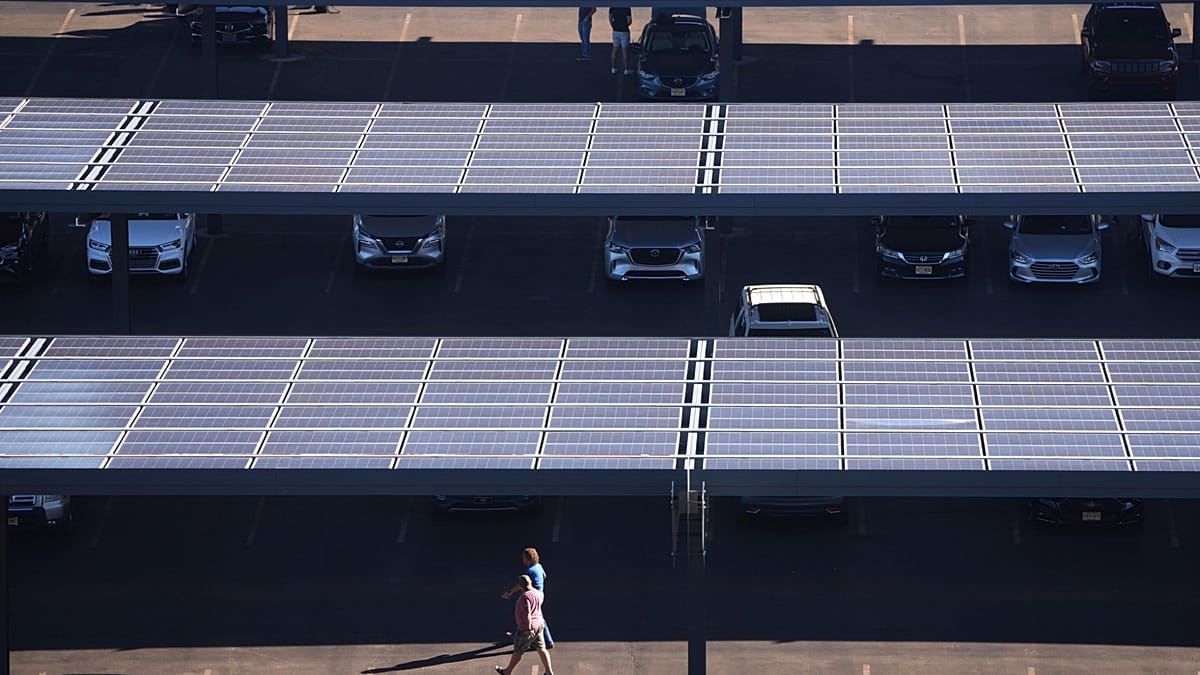
A California company just launched a robot that builds solar farms around the clock, potentially solving one of clean energy's biggest bottlenecks. The system can install enough solar panels to power hundreds of thousands of homes annually.
Building a solar farm just got a whole lot faster, and the timing couldn't be better.
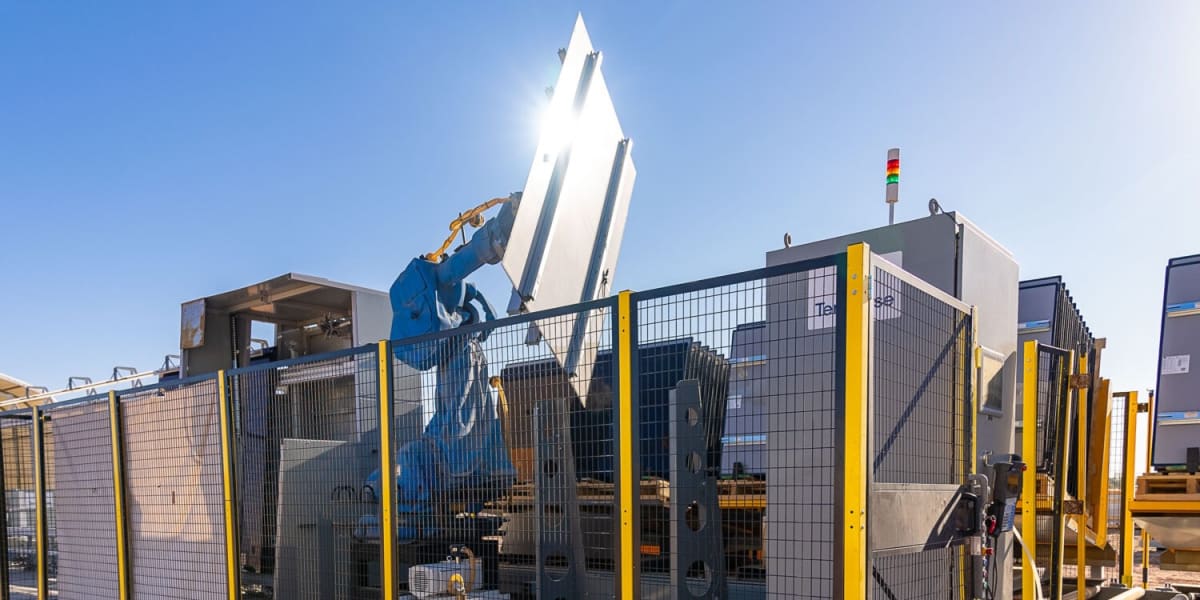
Terabase Energy in Berkeley, California, just released its Terafab V2 robot system for commercial use after years of field testing. This isn't just another construction tool. It's a complete automated factory that works outdoors, rain or shine, building massive solar installations at speeds human crews simply can't match.
The stakes are real. America's electricity demand is surging again, driven largely by data centers and artificial intelligence. Those tech facilities need power 24/7, and the construction industry is struggling to build clean energy projects fast enough to keep up.
Labor shortages, weather delays, and rising costs are slowing solar farm construction right when the grid needs it most. Traditional installation requires workers to lift heavy glass and steel panels one by one across thousands of acres, often in extreme heat.
Terabase CEO Matt Campbell sees their robot as the solution. "Every week we shave off a construction schedule means earlier revenue for project owners, lower financing costs, and faster delivery of clean electrons to the grid," he says.
Here's how it works differently. Most crews install steel support beams first, then manually attach panels. Terafab flips that process entirely.
The system pre-assembles panels onto support structures with built-in quality checks at every step. Defects get caught immediately instead of weeks later. Once assembled, specialized rovers move the completed units into position, and those rovers are expected to become fully autonomous soon.
A single Terafab production line completes one installation every two minutes. Running continuously, that adds up to more than 20 megawatts per week, or around 1 gigawatt annually. That's enough to power roughly 200,000 homes.
The system handles real-world chaos too. Terabase spent years developing robots that work through desert dust, extreme heat, wind, rain, and mud while maintaining factory-level precision. AI-powered software manages and optimizes the entire build in real time.
The Ripple Effect
Five solar projects have already used the earlier Terafab V1 system, and developers reported higher productivity, better quality, and improved safety. That last point matters tremendously for workers who previously had to handle heavy equipment in scorching conditions.
Faster construction means developers can take on more projects simultaneously, multiplying the impact. Terabase plans to expand its Northern California manufacturing facility to support up to 10 gigawatts of installations annually over the next year.
The system is designed and manufactured entirely in the United States, making it both a clean energy advancement and a domestic manufacturing win. As tech companies race to build the infrastructure for an AI-powered future, innovations like this could determine whether clean energy can scale fast enough to meet demand.
The robots are ready to work, and they don't need coffee breaks.
More Images



Based on reporting by Electrek
This story was written by BrightWire based on verified news reports.
Spread the positivity!
Share this good news with someone who needs it