Solar Tech Could Power AI's Data Center Boom
As artificial intelligence explodes, the energy-hungry data centers behind it might find their power solution in rooftop solar panels and electric vehicle batteries. Tech leaders are connecting the dots between distributed clean energy and computing's future.
The next wave of artificial intelligence might run on sunshine and car batteries, not just massive power plants.
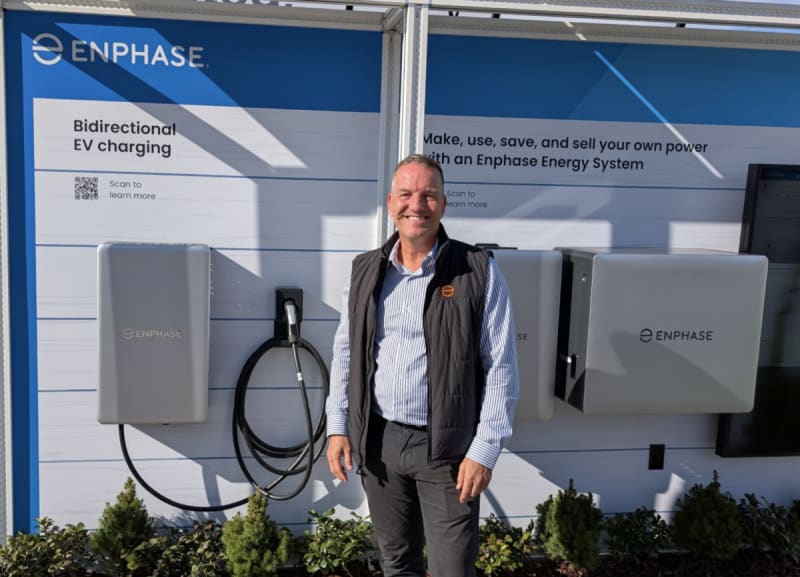
At CES 2026 in Las Vegas, Enphase Energy's Chief Marketing Officer Marco Krapels revealed an exciting connection between AI's growth and clean energy technology. The company unveiled a new bidirectional EV charger that could help solve one of tech's biggest challenges: keeping energy-hungry data centers running without overwhelming the electrical grid.
The timing couldn't be better. AI data centers consume staggering amounts of electricity, and their numbers are growing fast as companies race to develop smarter algorithms and larger language models. Traditional power infrastructure struggles to keep pace with this demand.
Krapels points to what Nvidia CEO Jensen Huang calls the "first layer of the Jensen Cake." The idea connects Silicon Valley's AI ambitions directly to distributed solar power, creating a framework where thousands of rooftop solar systems and EV batteries work together as virtual power plants.
Here's how it works: Instead of building massive new power stations, homes and businesses with solar panels and electric vehicles could supply energy back to the grid during peak demand. Bidirectional EV chargers make cars into mobile batteries, storing excess solar energy during the day and feeding it back when data centers need it most.
The Ripple Effect
This approach transforms everyday EVs into what Krapels calls a "sleeping giant" of energy storage. Millions of electric vehicles sitting in garages and parking lots could collectively provide more flexible power than traditional infrastructure projects that take years to build.
The distributed energy model offers bankability too, giving utilities and investors confidence in grid flexibility without massive upfront costs. Communities benefit from cleaner air and more resilient local power systems, while tech companies get reliable energy for their computing needs.
Silicon Valley's AI revolution might actually accelerate the clean energy transition instead of straining it. When the technologies powering our digital future also help power our homes and businesses, everyone wins.
More Images
Based on reporting by PV Magazine
This story was written by BrightWire based on verified news reports.
Spread the positivity!
Share this good news with someone who needs it