Solar Tracker Market Soars 19% to Record 134 Gigawatts
The global solar tracker market just hit a record high, shipping enough equipment in 2025 to power millions of homes with smarter, sun-following technology. America leads innovation while Africa emerges as the fastest-growing region for clean energy infrastructure.
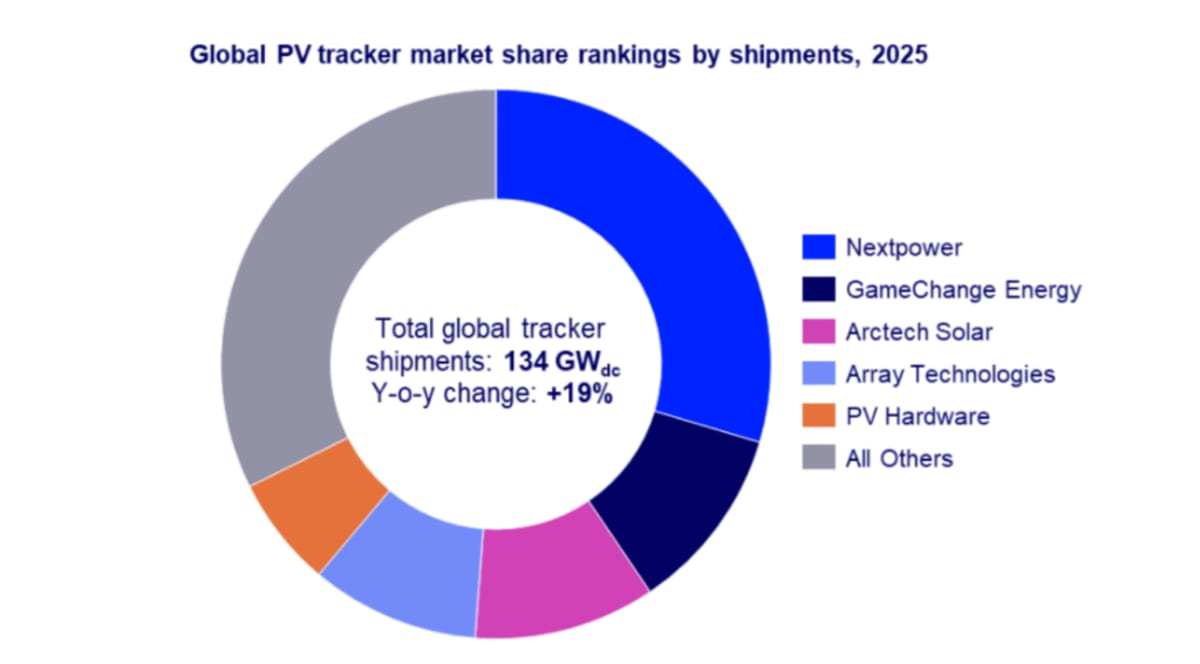
Solar energy technology just took a major leap forward, with the global market for solar trackers growing 19% in 2025 to reach a record 134 gigawatts of shipments.
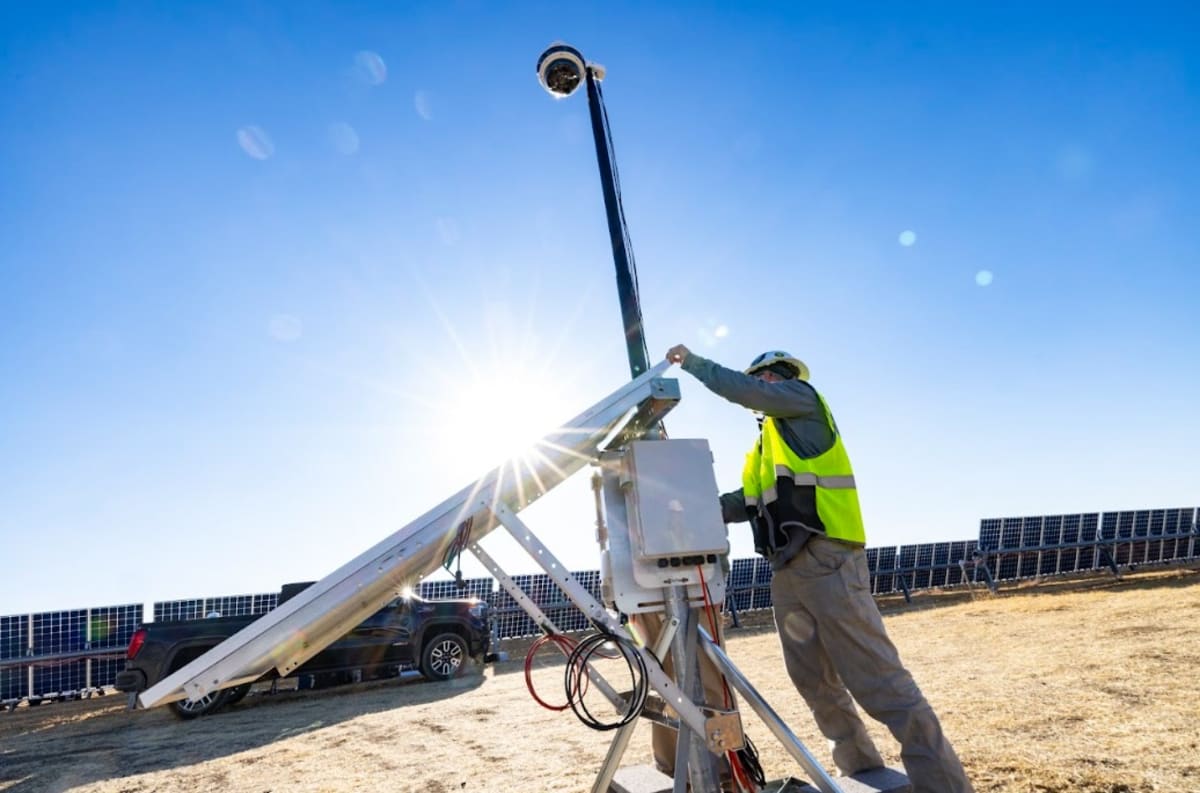
Solar trackers are devices that tilt solar panels throughout the day to follow the sun's path, capturing up to 25% more energy than stationary panels. Think of them as sunflowers that automatically turn toward light, but for clean electricity generation.
American company Nextpower held the top global spot for the eleventh consecutive year, shipping nearly 40 gigawatts of tracking equipment worldwide. The consistency shows how American innovation continues driving the renewable energy revolution forward.
The United States domestic market rebounded strongly, growing more than 25% and surpassing 40 gigawatts for the first time ever. Three American companies now control nearly 90% of the entire US solar tracker market, with revenue per watt significantly higher than international averages.
Africa emerged as the fastest growing region for tracker demand, with companies like Gamechange Energy seeing explosive growth on the continent. India and Africa combined represent a massive new frontier for solar expansion in regions that need clean, affordable energy most.
Saudi Arabia made headlines by surpassing Spain to become the third largest tracker market globally. The shift shows how Middle Eastern nations are investing heavily in solar despite their oil wealth, recognizing the economic and environmental future lies in renewables.
Europe also reached a new record with 25 gigawatts shipped, driven partly by innovative dual land use projects in Italy. These allow solar panels to share space with agriculture, addressing concerns about land competition.
The Ripple Effect
This growth means more than impressive statistics. Every gigawatt of solar tracking equipment helps power approximately 750,000 homes while reducing carbon emissions equivalent to taking hundreds of thousands of cars off the road.
The technology spillover benefits everyone too. Competition and scale are driving down costs, making solar energy more affordable for developing nations and rural communities. Innovation in tracking software and smart systems developed for premium markets eventually trickles down to budget installations worldwide.
Wood Mackenzie analyst Joe Shangraw notes that US success serves as the best tool for global expansion, with American companies using domestic profits to fund international growth. That means innovations developed in Texas or California soon help bring clean energy to villages in Africa and India.
The steady year over year growth, now spanning multiple years with the same top five companies, signals market maturity rather than a temporary boom. Solar tracking technology has moved from experimental to essential infrastructure for utility scale solar farms.
Clean energy infrastructure is scaling faster than many experts predicted just a few years ago.
More Images


Based on reporting by PV Magazine
This story was written by BrightWire based on verified news reports.
Spread the positivity!
Share this good news with someone who needs it