Solid-State EV Batteries Hit Production Line for 2026
A California-backed company just proved that safer, faster-charging electric vehicle batteries can be built at scale, not just in labs. The breakthrough moves next-generation battery technology from distant promise to a firm 2026 deadline.
Greater Bay Technology just rolled the first automotive-grade solid-state battery cells off a production line built for millions of vehicles, not just experiments. For electric car drivers who've heard about miracle batteries for years, this marks the moment when "someday" gets a calendar date.
The GAC-backed company announced its A-sample cells completed production using manufacturing equipment designed for mass output. Unlike prototype batteries assembled by hand in research labs, these cells prove the design can be replicated thousands of times with consistent quality.
The difference matters because automakers won't commit to new battery technology until they know factories can deliver it reliably. This validation stage is the industrial proof that separates science headlines from batteries you can actually buy.
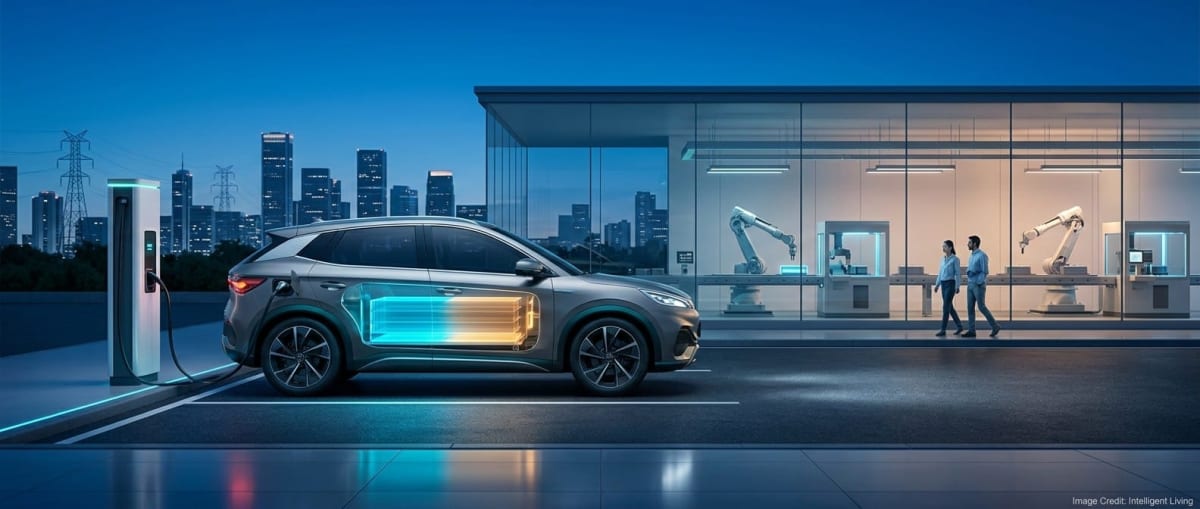
These solid-state cells replace the flammable liquid inside current lithium-ion batteries with solid materials that resist catching fire. The company reports energy density between 260 and 500 watt-hours per kilogram, which translates to longer range in the same battery pack size.
Charging speed gets a boost too, with the cells designed to handle rates two to three times faster than many current batteries without degrading quickly. That could mean adding 200 miles of range in the time it takes to grab coffee, instead of planning your road trip around 45-minute charging stops.
Greater Bay's 2026 target aligns with broader production goals from parent company GAC Group. The timeline moves from individual cell testing to full vehicle integration, establishing the first firm industrial deadline for commercial solid-state availability.
The technology solves a problem every electric vehicle owner knows: the last 20 percent of charging always takes the longest, and fast charging repeatedly can shorten battery life. Solid electrolytes aim to handle high-speed charging without the long-term reliability penalty.
The Ripple Effect
This manufacturing milestone creates momentum across the entire electric vehicle industry. Other automakers watching Greater Bay's progress now have proof that solid-state production can scale beyond pilot programs, potentially accelerating their own timelines.
Domestic production matters too, reducing reliance on overseas battery supply chains and creating manufacturing jobs in communities transitioning from traditional auto production. The shift to gigawatt-hour scale means factories, training programs, and local economies built around next-generation battery technology.
For drivers still waiting for electric vehicles that charge as quickly as pumping gas, the 2026 date represents the closest thing to a firm answer the industry has offered. Independent testing will verify whether real-world performance matches company claims, but the production line itself proves the technology has moved past the research phase.
The next chapter is whether these batteries hold up through actual road conditions, temperature extremes, and years of daily charging cycles. For now, the breakthrough is simple: safer, faster-charging batteries just became a manufacturing reality instead of a distant maybe.
Based on reporting by Google: electric vehicle milestone
This story was written by BrightWire based on verified news reports.
Spread the positivity!
Share this good news with someone who needs it