Somalia Could Cut Climate Losses by Half, Create Jobs
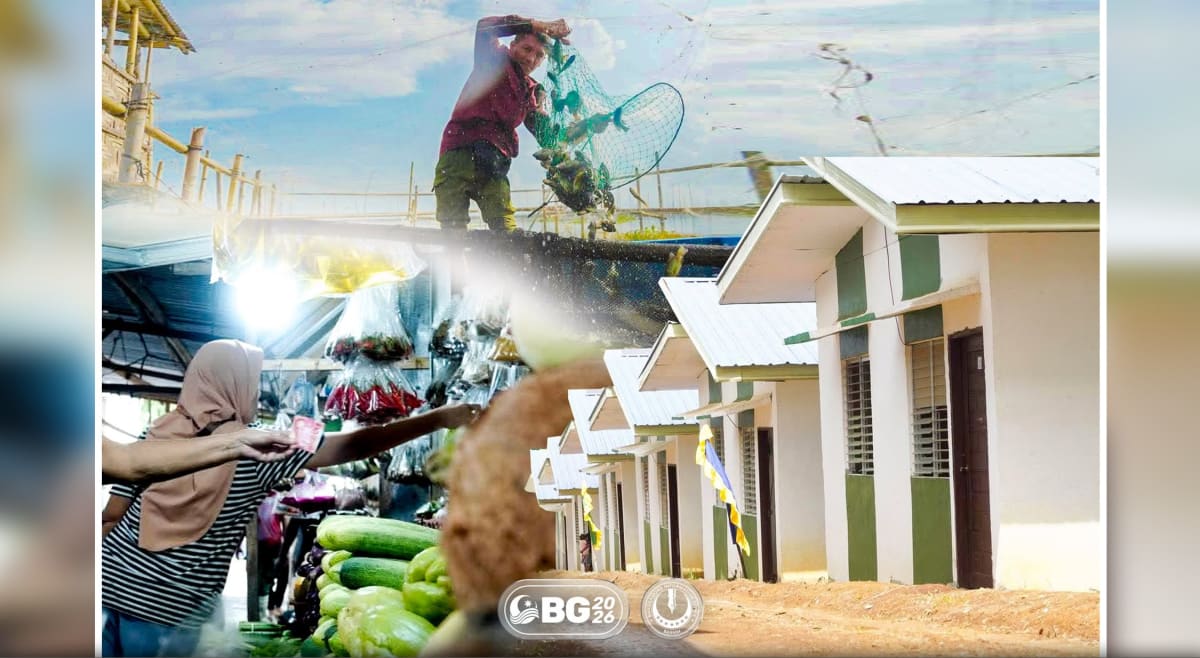
A new World Bank report shows Somalia can slash projected climate-related economic losses in half while creating thousands of jobs through smart investments in climate-resilient agriculture and cities. The nation vulnerable to droughts and floods now has a roadmap to turn climate challenges into economic opportunity.
Somalia just received a game plan to transform its biggest threat into its next wave of jobs and growth.
A World Bank report released this week reveals that strategic investments in climate-smart agriculture, resilient cities, and early warning systems could cut Somalia's projected climate losses by half. Without action, climate change could slash the nation's GDP by 13.5 percent by 2060.
The timing couldn't be more critical. Somalia ranks among the world's most climate-vulnerable countries, where recurrent droughts and floods have displaced millions and devastated livelihoods for decades. Each climate shock doesn't just destroy homes. It erodes the economic stability families need to build futures.
But here's where the story gets hopeful. The report shows these aren't just defensive measures. Climate resilience investments can directly create stable, productive jobs while protecting communities from future disasters.
"Our priority is to ensure that climate resilience supports economic stability and opportunity for our people," said Bashir Mohamed Jama, Somalia's Minister of Environment and Climate Change. The government launched the report alongside the World Bank in Nairobi this week.
Somalia has already proven it can overcome enormous obstacles. The country completed a major debt relief process in 2023 and joined the East African Community in 2024. These milestones followed decades of conflict and institutional challenges that would have broken less determined nations.
The new strategy shifts Somalia from constant crisis response toward sustained economic opportunity. Investments in water management, disaster preparedness, and climate-smart farming protect both lives and livelihoods in communities still recovering from conflict.
The Ripple Effect
When Somalia strengthens its climate resilience, the benefits spread far beyond its borders. The report emphasizes that private sector partnerships will be essential to translate these investments into lasting employment. As communities become more stable and productive, dependence on humanitarian aid decreases.
Early warning systems and improved disaster preparedness don't just save lives during the next drought. They allow farmers to plan crops with confidence, businesses to invest in communities, and families to stop living crisis to crisis.
The analysis shows that higher quality growth combined with targeted climate action creates a virtuous cycle. Protected agriculture means food security. Food security means children stay in school. Education means better jobs. Better jobs mean stronger institutions that can handle future challenges.
World Bank Country Manager Hideki Matsunaga noted that Somalia can "break the cycle of vulnerability, create jobs, and unlock its development potential" through coordinated leadership and evidence-based policy. The country aims to reach middle-income status by 2060.
Somalia still faces significant hurdles and will rely on external funding in the near term. But this report provides something equally valuable: a clear vision of how climate investments become job creators, not just disaster prevention.
For a nation that has survived so much, this roadmap offers something powerful: hope backed by evidence.
Based on reporting by AllAfrica - Headlines
This story was written by BrightWire based on verified news reports.
Spread the positivity!
Share this good news with someone who needs it