Somalia Creates 526,000 Jobs Building Climate-Resilient Cities
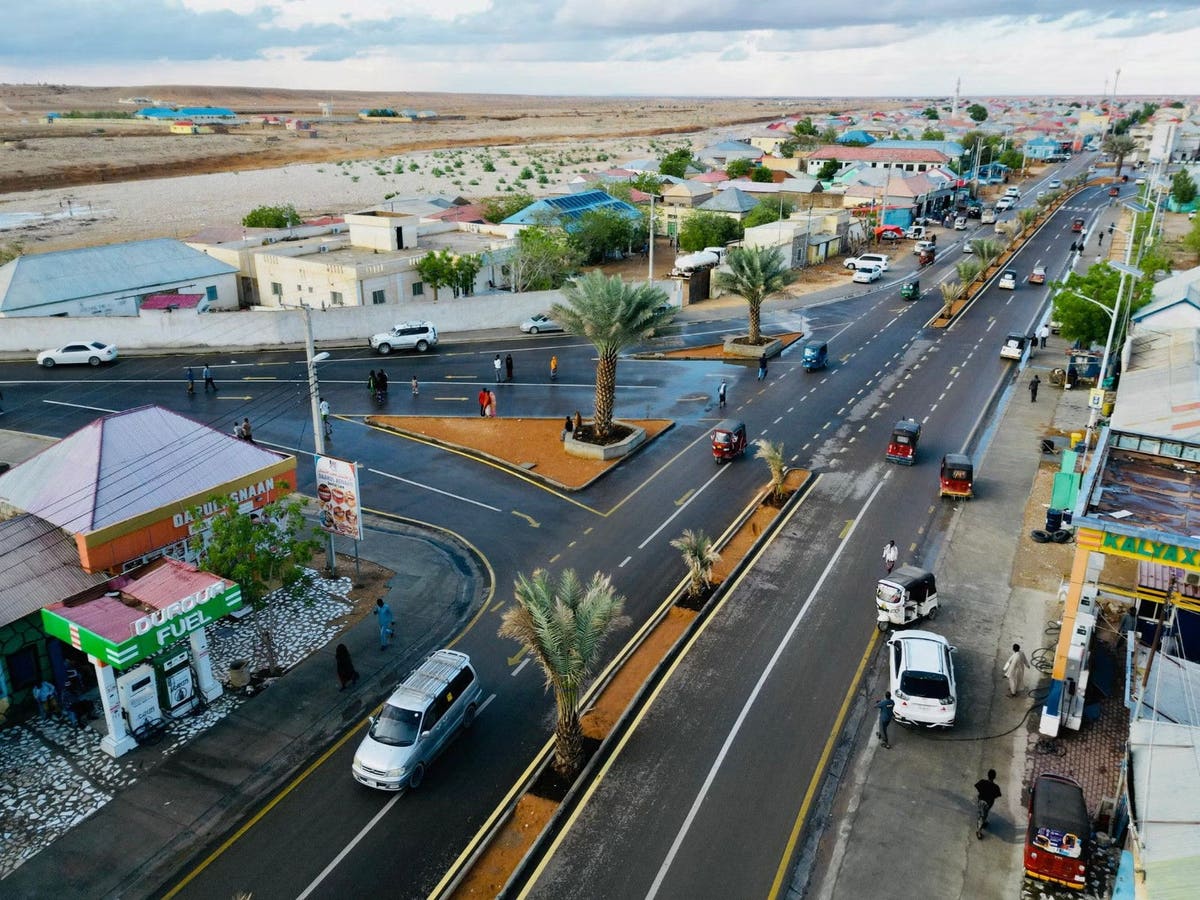
In one of the world's most fragile regions, seven Somali cities are proving that investing in local government works. Nearly 700,000 people now have better roads and infrastructure, while 15,000 workers earned paychecks building their own communities' futures.
When rain fell the night before the Gambol Bridge opening in Garowe, it proved exactly why the project mattered. For the first time, mothers in labor could still reach the hospital, and students wouldn't miss their exams because of flooded streets.
That bridge is just one piece of an extraordinary transformation happening across Somalia. Since 2020, the Somalia Urban Resilience Project has channeled funding directly to seven city governments, bypassing traditional aid models and putting local leaders in charge of their own development.
The results speak for themselves. Nearly 700,000 people now benefit from improved urban infrastructure, including 39 kilometers of new roads and 45 kilometers of pedestrian walkways. Another 51 kilometers are currently under construction, connecting neighborhoods that climate shocks and decades of conflict had isolated.
What makes this project revolutionary isn't just the infrastructure. It's who's building it. Over 15,000 local workers generated more than 526,000 person-days of employment, with 70 percent of those jobs going to youth. More than 1,700 women worked on construction sites, and 44 of them advanced from unskilled to skilled positions through on-the-job training.
The project arrived during Somalia's worst drought in 40 years. Between 2021 and 2023, four consecutive failed rainy seasons displaced 1.3 million people and affected 7.8 million more. Instead of abandoning long-term plans, cities adapted, using their new coordination capacity to deliver emergency services alongside infrastructure work.
Over 450,000 people received health and nutrition services through the municipal drought response. Nearly 16,000 displaced individuals received property title deeds, giving them legal recognition and stability. Another 1,500 transitional shelters went up for families who had lost everything.
The Ripple Effect: This project represents the only World Bank operation in Somalia implemented directly by city governments using local systems. That matters because it's building something aid can't deliver: lasting government capacity. Cities now manage their own budgets, procurement, and urban planning, skills they'll use long after international funding ends.
The approach also introduced biometric registration and data sharing that eliminated nearly 30,000 duplicate beneficiary records during the drought response. That innovation meant help reached real people faster, with less waste and better accountability.
Nine thousand citizens participated in community consultations that shaped which projects got funded and how they'd be monitored. Nearly half of those voices belonged to women, ensuring that infrastructure serves everyone's needs, not just the loudest voices in the room.
Somalia's cities are growing at 4.3 percent annually, faster than the African average, as climate shocks join conflict as major displacement drivers. These seven cities are proving that investing in local government capacity creates jobs, saves lives, and builds resilience that lasts.
More Images
Based on reporting by Google News - Jobs Created
This story was written by BrightWire based on verified news reports.
Spread the positivity!
Share this good news with someone who needs it