Somaliland Passes New Waste Management Law With UK Help
Somaliland just adopted comprehensive waste management regulations that could transform how 18 municipalities handle trash, recycling, and public cleanliness. The UK-backed framework creates pathways for private companies to help cities tackle waste while protecting the environment.
Somaliland's government has officially passed new solid waste management regulations that could bring cleaner streets, better recycling, and healthier communities to cities across the region.
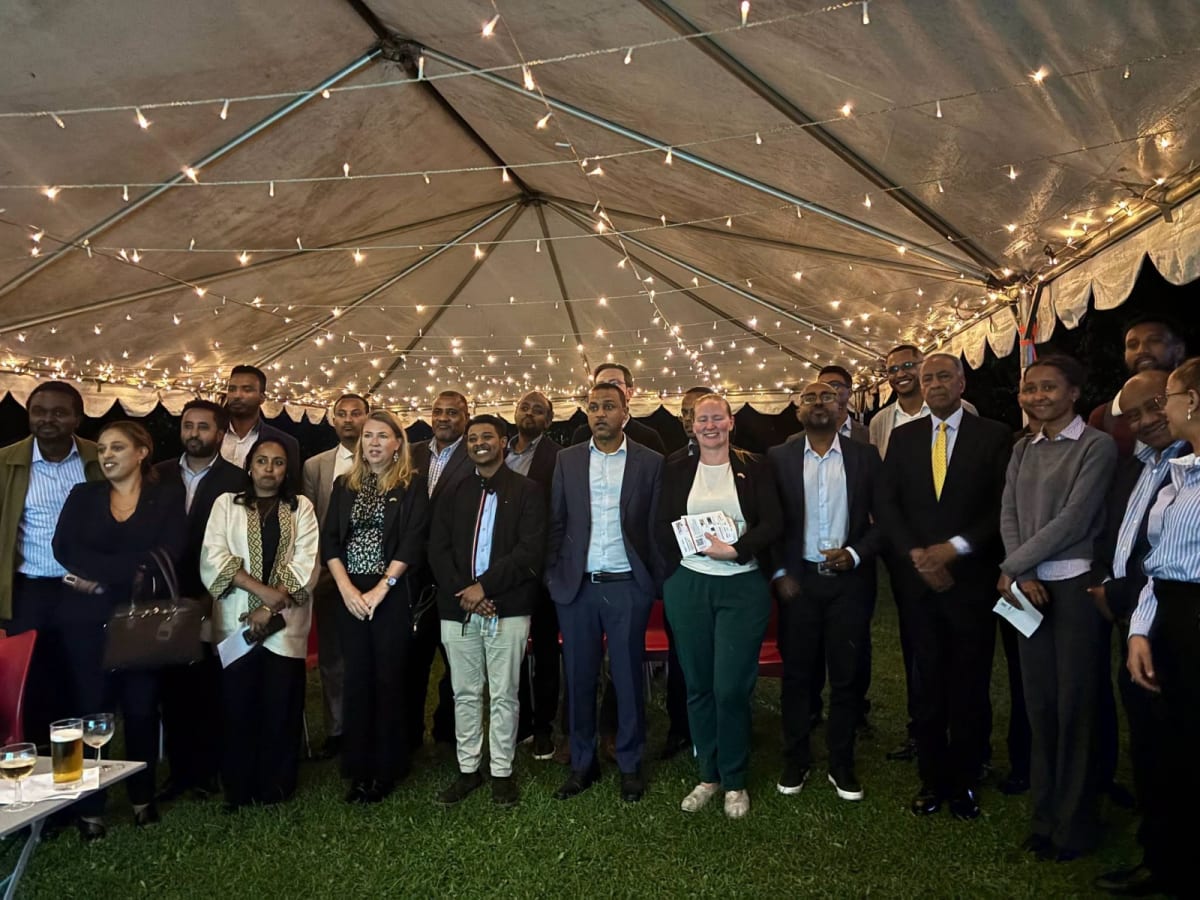
The Local Government Solid Waste Management Regulation took effect on September 10 after Minister Hassan Ahmed Duale signed it into law following a two-day meeting in Hargeisa. Representatives from 18 local governments across Somaliland participated in the historic endorsement at the Sarovar Hotel.
The comprehensive framework covers everything from waste collection and transportation to recycling and resource recovery. It also establishes clear rules for licensing, financing, enforcement, and getting citizens involved in keeping their communities clean.
Louise Hancock, head of the British Office in Hargeisa, called it "a big step forward for environmental sustainability in Somaliland." The regulations were developed through the UK-backed Sinaan Programme, which worked with Somaliland's Ministry of Local Government and Urban Development to create practical solutions.
Before the law passed, officials held consultations in multiple cities including Hargeisa, Wajaale, and Burao to gather input from local leaders and communities. This bottom-up approach helped ensure the regulations would actually work for the people they're meant to serve.
The new framework opens doors for private companies to partner with municipalities on waste management. Licensed operators can now work with local governments to provide collection services, run recycling programs, and recover reusable materials that would otherwise end up in landfills.
The Ripple Effect
The impact of this law could extend far beyond cleaner streets. Better waste management means fewer disease risks from uncollected garbage, reduced pollution in waterways, and new economic opportunities in recycling and composting industries.
The regulations also empower local governments with clear guidelines and enforcement tools they previously lacked. Mayors and municipal leaders now have a proven framework to build effective waste management systems tailored to their communities' needs.
Public-private partnerships could create new jobs while tackling environmental challenges. Composting programs can turn organic waste into valuable soil amendments, and recycling initiatives can recover materials that have economic value.
Hancock acknowledged that passing the law is just the beginning. "Next challenge: implementation," she noted, recognizing that turning regulations into real-world change requires sustained effort and resources.
The Sinaan Programme says success will be measured by visible improvements in neighborhoods, markets, and public spaces. Clean streets and functional recycling systems will be the true test of whether these regulations deliver on their promise.
For a region working to build sustainable infrastructure, this waste management framework represents hope for healthier, cleaner communities where people can thrive.
Based on reporting by AllAfrica - Environment
This story was written by BrightWire based on verified news reports.
Spread the positivity!
Share this good news with someone who needs it