Somerset Farm Rewilding Doubles Bird Species in 3 Years
A former dairy farm in England transformed into a wildlife sanctuary has seen bird species jump from 67 to 94 in just three years. The results show how quickly nature can recover when given the chance.
Nature is making a stunning comeback on a piece of land that was once just another dairy farm.
Heal Somerset, a 460-acre farm near Frome in east Somerset, stopped conventional farming three years ago and let nature take the lead. The results have exceeded all expectations.
Bird species soared from 67 to 94. Butterfly varieties more than doubled from 11 to 24. Small mammal species increased from three to five, outpacing a nearby organic farm that's still in production.
"To some extent you hold your nerve and trust nature," said Jan Stannard, who leads Heal Rewilding, the charity behind the project. "If you give wildlife an undisturbed safe place, a sanctuary, you have this sense that something good is going to come out of it."
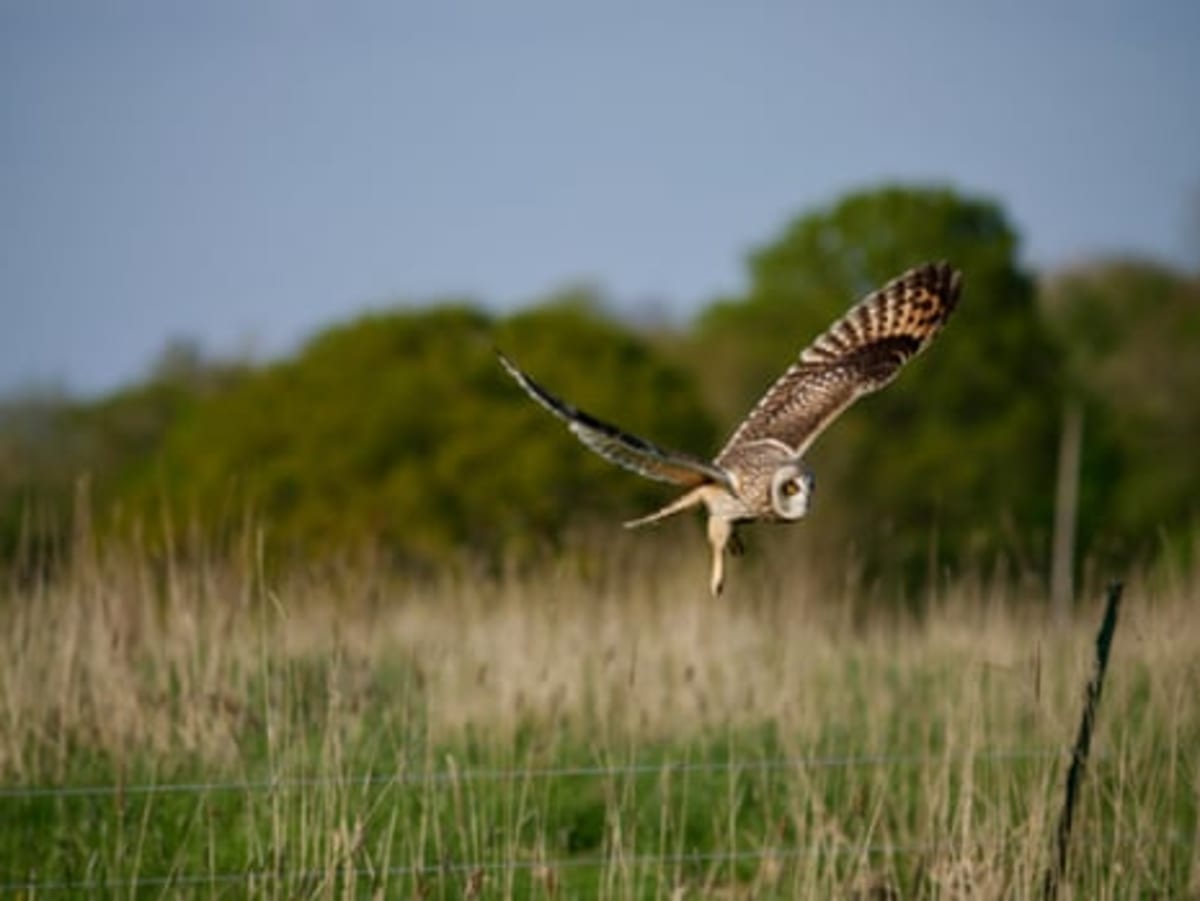
The site now hosts at least 15 bat species and 60 breeding bird species. Endangered bullfinches have returned, along with threatened tree pipits singing in the trees.
The rewilding approach differs from traditional conservation because it doesn't target specific rare species. Instead, the team removes barriers and lets natural processes guide what happens next.
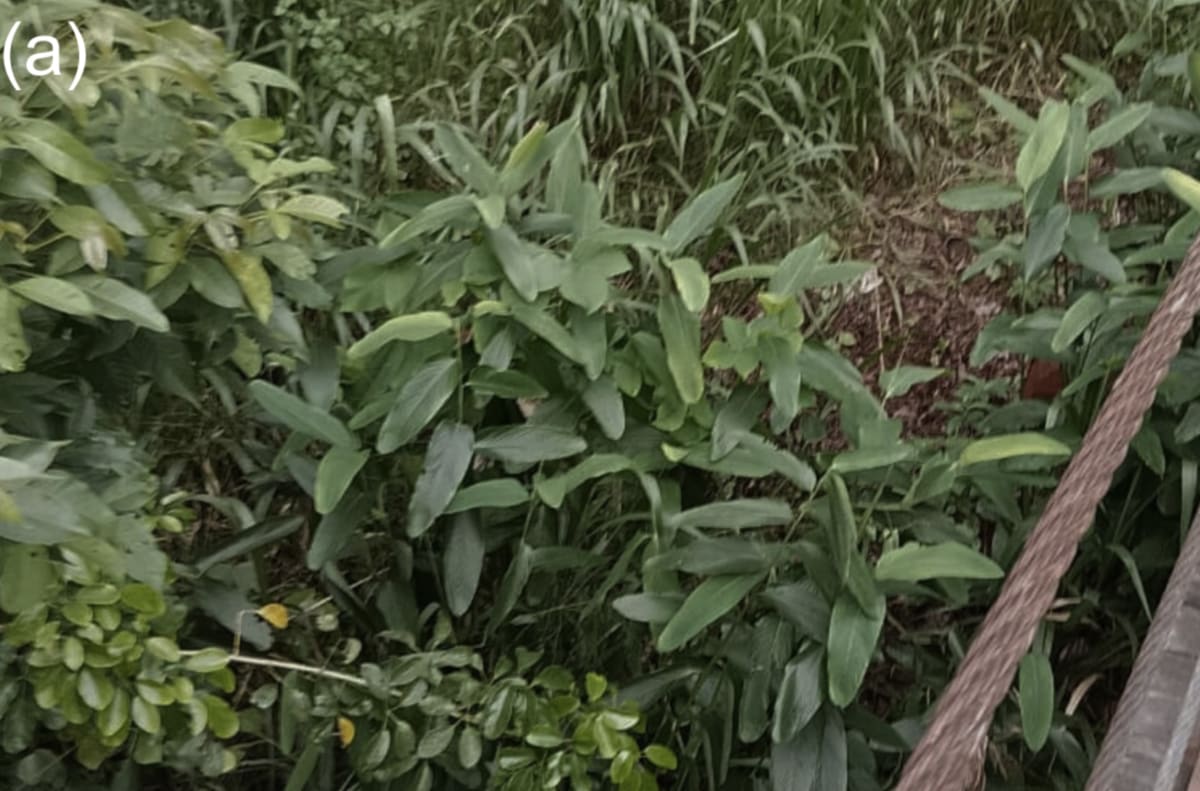
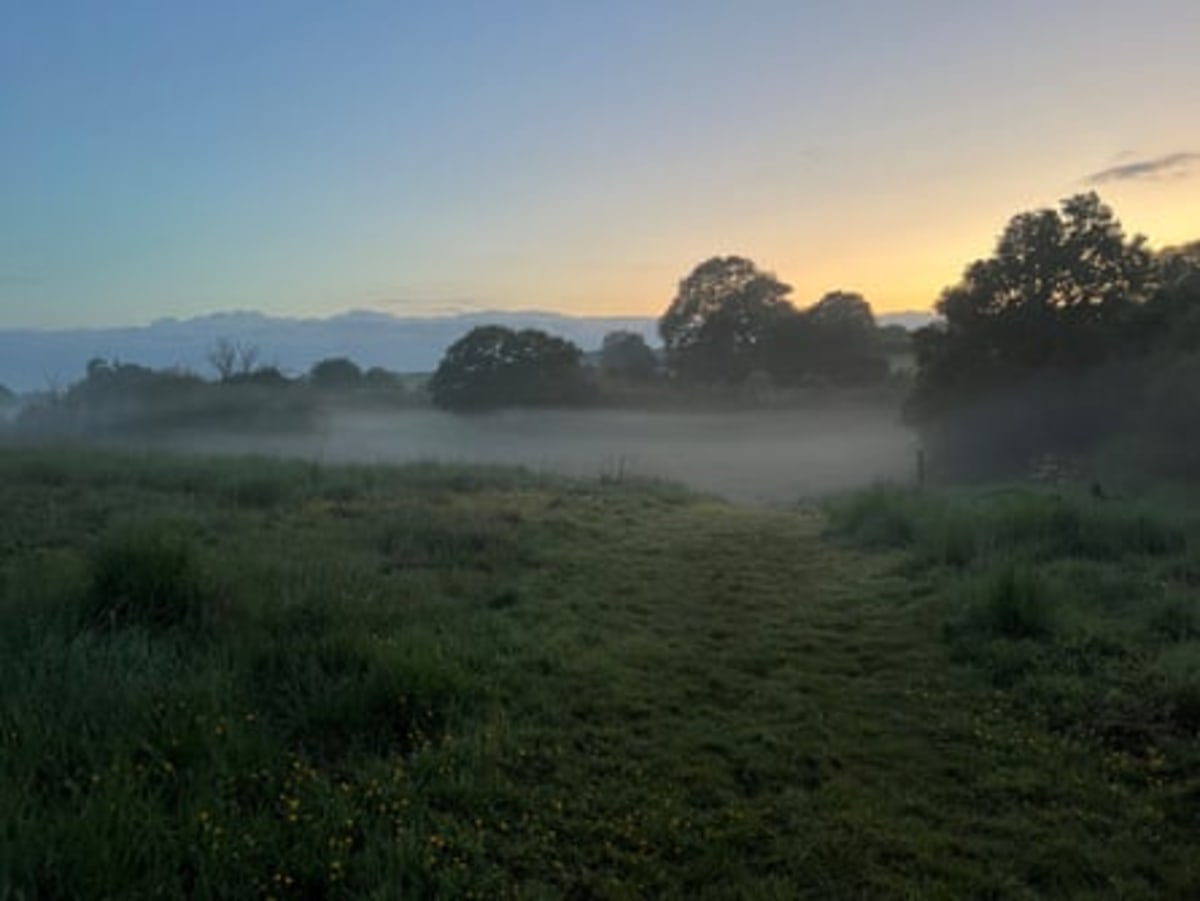
Streams now flow more naturally, helped along by beavers spreading through the area. Dead wood stays where it falls, providing homes for insects and fungi. Scrub and trees are regenerating on their own, creating a patchwork of meadows, glades, and woodland.
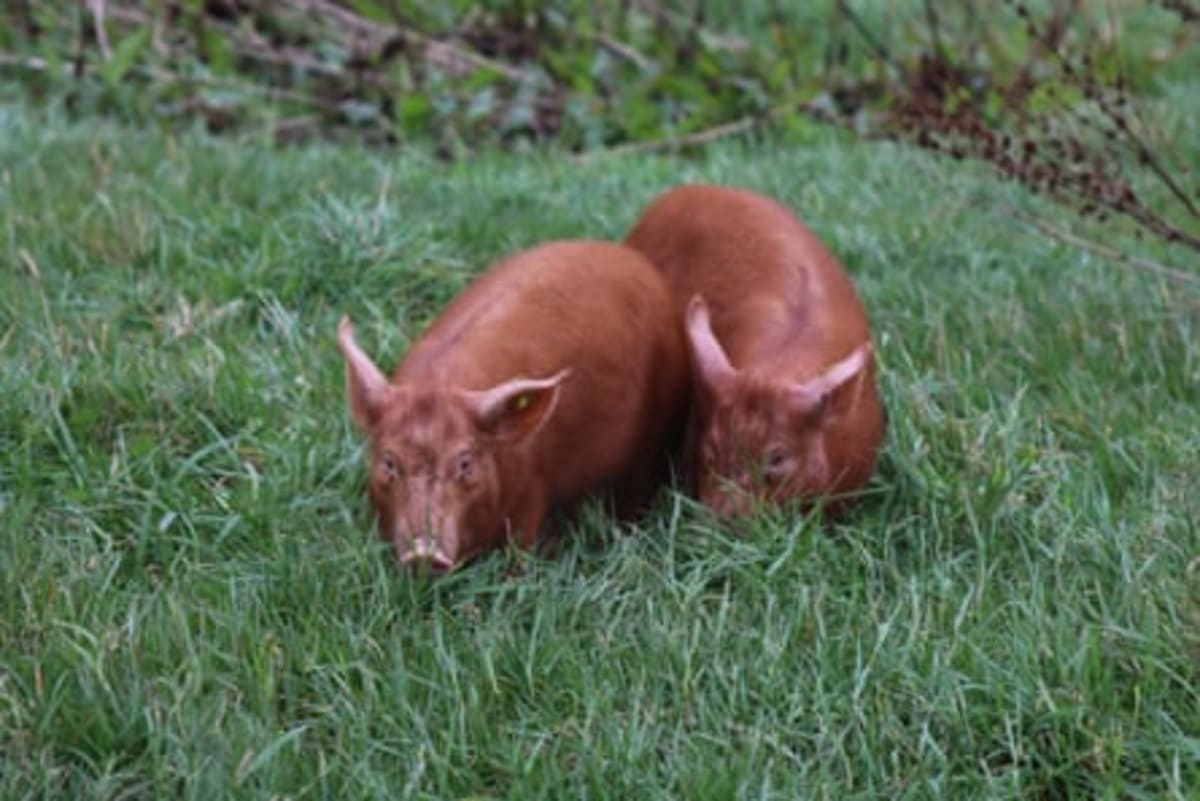
Two Tamworth pigs roam freely across the property, with small numbers of cattle and ponies planned to join them. These animals will help shape the landscape naturally as they graze and move around.
The Ripple Effect
More than 250 volunteers now help with surveying wildlife, removing old barbed wire fencing, and supporting other restoration work. The project has become a lifeline for people beyond just the plants and animals.
Fifteen community groups use the site regularly, including people living with dementia, those with additional needs, and families facing financial hardship. Youth groups and schools visit to learn and participate.
Dan Hill, a 25-year-old ranger who started when the project began, remembers his first impression. "I remember seeing the monoculture of rye grass swaying in the wind and thinking, crikey, it's desolate," he said.
Now visitors tell him they've never seen anything like it. Older guests say the abundance of grasshoppers, crickets, and songbirds reminds them of childhood memories they thought were gone forever.
The charity released their findings to fill a gap in national conservation reporting. Despite hundreds of rewilding projects now operating across Britain, the movement barely registered in the UK's 2023 State of Nature report.
"Stories alone are not enough," Stannard explained. "If rewilding is to be fully recognized within national nature recovery strategies, we need robust, long-term data that demonstrates impact."
Three years of data from one former farm is proving what's possible when we step back and let nature heal.
More Images

Based on reporting by Guardian Environment
This story was written by BrightWire based on verified news reports.
Spread the positivity!
Share this good news with someone who needs it