Somerset Village Unites to Track Wildlife on Organic Farm
A British dairy company turned its employees into wildlife detectives, sparking a community-wide passion for spotting rare species. Now locals are documenting everything from dung beetles to barn owls in their own backyards.
Picture executives in rubber gloves, elbow-deep in cow manure, hunting for beetles. That's exactly what happened at Yeo Valley Organic's farm in north Somerset in 2023, and it started something beautiful.
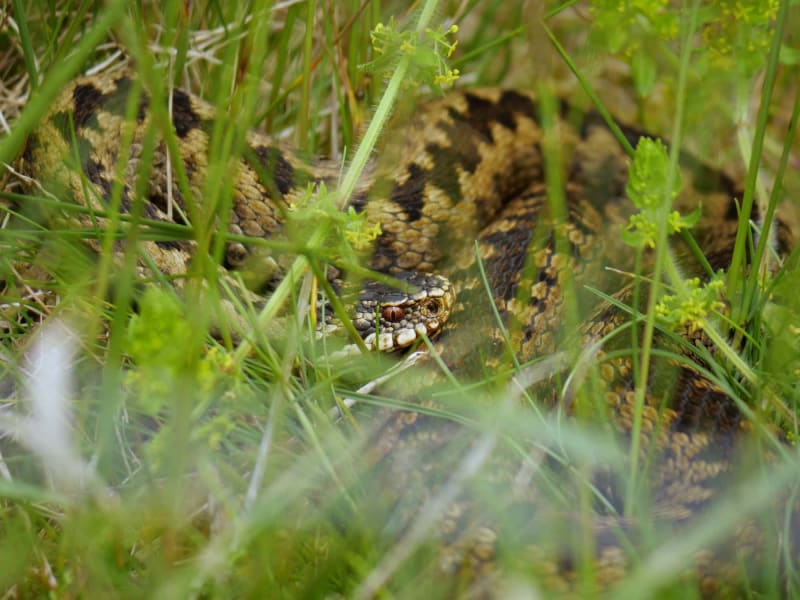
The British dairy company launched a wildlife survey to measure how their organic farming helps nature thrive. They picked four indicator species to track: dung beetles, skylarks, adders, and hazel dormice.
Ecologist Patrick Hancock created walking routes through the farm's fields, forests, and pastures. Throughout the year, he counts the creatures living there and shares photos in a staff WhatsApp group.
What started as a work project quickly became an obsession. Employees began sharing their own wildlife photos, asking Hancock to identify mysterious birds and insects they'd spotted.
The excitement jumped beyond the office walls. Locals joined the group and started logging their discoveries on the iNaturalist app, turning the entire community into citizen scientists.
Mark Sumpter, a village resident, says the group changed how he sees his surroundings. "I'd be out walking the dog and not realizing all these creatures were hidden there in plain sight," he explains. "It's made me far more attentive."
The wildlife boom isn't accidental. Yeo Valley Organic uses regenerative farming methods like mob grazing, where cattle move frequently between small plots. This mimics natural grazing patterns and creates healthy soil that feeds earthworms and beetles.
Those bugs feed skylarks, which eat flies that bother cattle. Nature helps the farm, and the farm helps nature.
Hancock's walks have revealed impressive biodiversity. Recent sightings include rare birds like merlin, short-eared owls, and corn bunting. Local photographer Matt Pluchino watches barn owls from his living room window, which overlooks the farm.
The Ripple Effect
The wildlife WhatsApp group proves that when companies prioritize nature, entire communities notice. People who once walked past hedgerows without a second glance now stop to identify bird calls and photograph insects.
Farmers traditionally view fields as production zones, but Yeo Valley Organic shows they can be thriving ecosystems too. Their approach balances food production with biodiversity, proving the two goals aren't enemies.
Having "all these extra eyes and ears out and about is very handy," Hancock says. The community has become an extended research team, documenting species across a wider area than one ecologist could cover alone.
The indicator species tell an encouraging story: when farms work with nature instead of against it, wildlife returns quickly.
Based on reporting by Positive News
This story was written by BrightWire based on verified news reports.
Spread the positivity!
Share this good news with someone who needs it
%2Fhttps%3A%2F%2Ftf-cmsv2-smithsonianmag-media.s3.amazonaws.com%2Ffiler_public%2F8b%2Fdd%2F8bdd6baa-d5eb-4361-b11d-74f651c75216%2Fmarmot_dandelion_3b531fc2-0a2c-43dd-8549-971ae73358af-prv.jpg)