South Africa Airline Cuts Fuel Fees 40% After Peace Returns
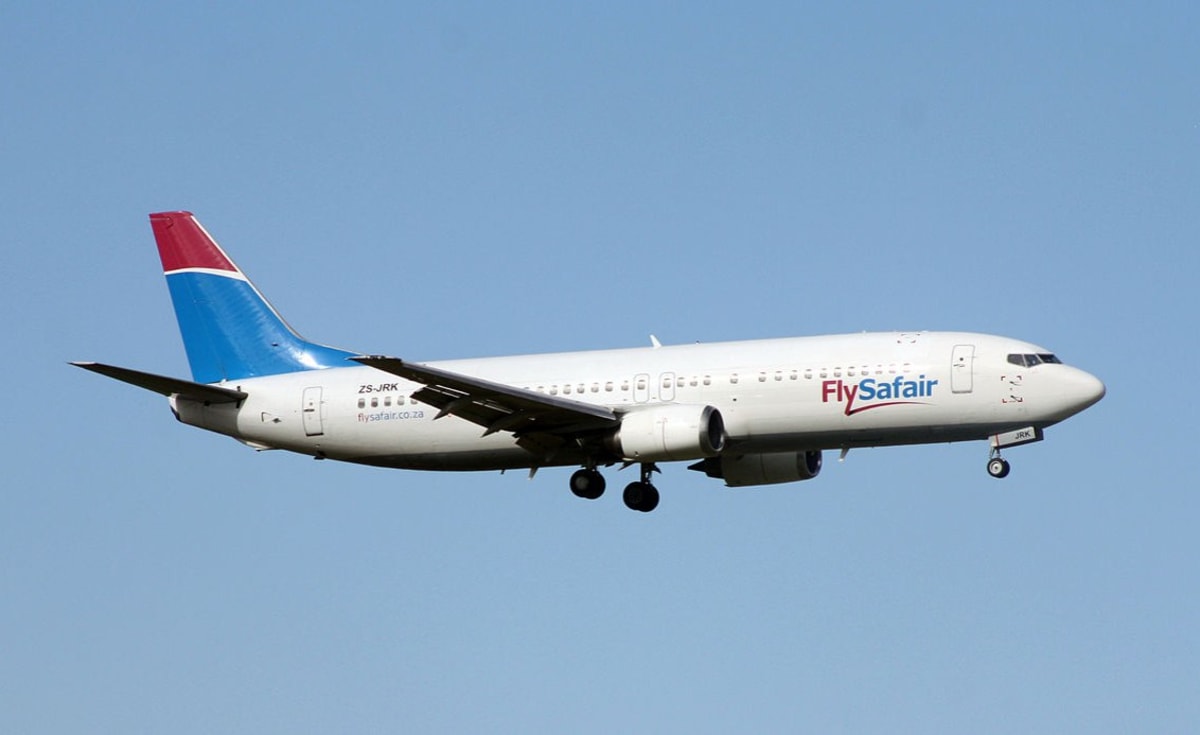
FlySafair just slashed its fuel surcharge by 40%, putting money back in travelers' pockets as global oil routes recover from conflict. The airline introduced the extra fee in March when Middle East tensions disrupted fuel supplies, but improving conditions mean cheaper flights are back.
South African travelers are catching a break as FlySafair cuts its fuel surcharge by 40%, making flights more affordable again.
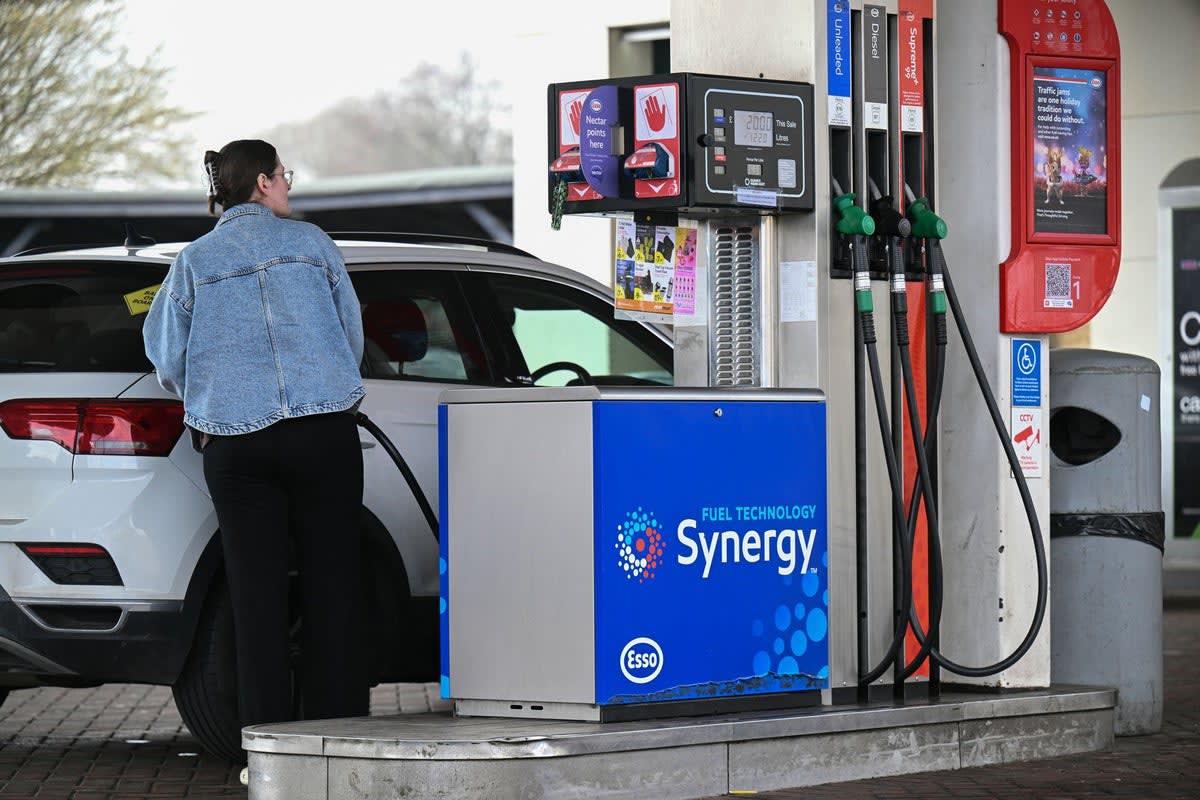
The budget airline introduced the dynamic fuel surcharge just three months ago in March 2026 when Middle East conflict closed the Strait of Hormuz. That critical waterway normally handles much of the world's oil transit, and its shutdown sent jet fuel prices soaring.
FlySafair calculated the surcharge by individual routes to reflect actual fuel consumption for each flight. Now, with the strait reopened and jet A1 fuel both cheaper and more available, the airline is passing those savings directly to customers.
The timing couldn't be better for South Africans planning winter getaways or family visits. Lower ticket prices mean more people can afford to fly, reconnecting communities and boosting tourism across the region.
The Ripple Effect
This fare reduction does more than help individual travelers. When flights become affordable, small businesses benefit from increased tourism. Families separated by distance can reunite more easily. Students can visit home without breaking their budgets.
The recovery also signals broader stability in global fuel markets. As supply chains normalize after conflict, consumers across industries should see relief. Airlines were among the hardest hit sectors, so their recovery often predicts improvements elsewhere.
FlySafair's transparent approach to the surcharge earned trust with customers. The airline tied fees directly to actual costs and removed them as soon as conditions improved, rather than keeping the extra revenue.
Other positive developments are unfolding across South Africa too. SANParks just planted over 300 indigenous trees in Newlands Forest as part of Table Mountain National Park's rehabilitation efforts. Staff, rangers, and university students worked together on the project, which addresses bark stripping and restores forest ecosystems.
In the Western Cape, most schools in the Eden and Central Karoo districts reopened this week after severe weather forced two-day closures. While a few schools remain inaccessible due to flooded roads, educators are implementing catch-up plans to get students back on track.
These stories share a common thread: South Africans working together to overcome challenges and build a better future.
Based on reporting by AllAfrica - Environment
This story was written by BrightWire based on verified news reports.
Spread the positivity!
Share this good news with someone who needs it