%2Ffile%2Fdailymaverick%2Fwp-content%2Fuploads%2F2023%2F02%2Fcoal-10-Piles-of-coal-await-exporst-from-the-Richards-Bay-Coal-Terminal-image-RBCT.jpg)
South Africa Coal Exports Jump 10% as Rail Rebounds
A major South African coal terminal shipped 10% more coal in 2025 after years of decline, signaling the country's struggling rail system is finally turning around. New locomotives and a dramatic drop in cable theft are powering the comeback.
South Africa's largest coal terminal just posted its best numbers in years, and the turnaround tells a bigger story about infrastructure revival in Africa's most industrialized economy.
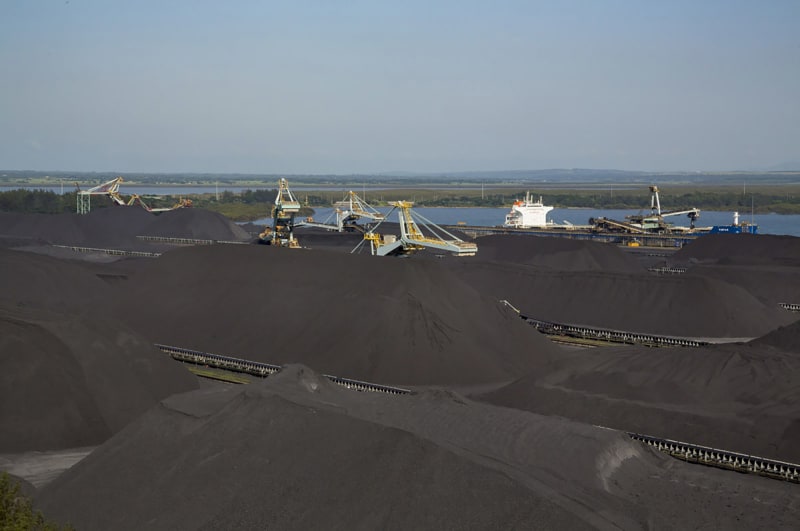
Richards Bay Coal Terminal exported 57.66 million tonnes of coal in 2025, jumping more than 10% from the previous year. The increase marks a dramatic reversal after exports had crashed to a record low of 47.2 million tonnes in 2023.
The terminal's recovery mirrors the gradual comeback of Transnet, South Africa's state-run railway operator that had become synonymous with dysfunction and economic drag. For years, broken infrastructure and rampant crime along rail lines choked the flow of goods from mines to ports, costing the economy billions.
Two breakthroughs changed the game in 2025. Transnet replaced problem-plagued Chinese locomotives with faster, more reliable French 23E models that kept trains moving. Cable theft on the coal line plunged from 180 kilometers stolen in 2024 to just 59 kilometers last year.
"Ground forces are using predictive tools," said terminal CEO Alan Waller, crediting drones, foot patrols, and K9 units with deterring thieves. The security improvements let trains run on schedule, moving coal from inland mines to waiting ships.
The terminal now aims to hit 60 million tonnes in 2026 and reach a steady pace of 65 million tonnes by year end. That would still fall short of the facility's 91-million-tonne capacity, but it represents steady progress toward fuller use of a world-class asset.
India bought the lion's share of exports, with Asia taking almost 80% of total shipments. Europe and Africa accounted for about 7% each, with Morocco leading continental buyers.
The Ripple Effect
The coal terminal's recovery creates jobs beyond the docks. Every train that runs smoothly means work for miners, rail crews, maintenance teams, and port workers across multiple provinces.
South Africa needs those export earnings as it battles slow economic growth and high unemployment. While the world gradually transitions away from coal for climate reasons, developing economies still depend on traditional industries to pay bills and employ people.
Banks and insurers that once shunned coal projects are softening their stance, Waller noted. Global coal demand actually hit a record high in 2025 for the third straight year, according to the International Energy Agency, keeping South African mines competitive.
The bigger win goes beyond coal. When critical infrastructure works properly, it proves that South Africa can fix broken systems and compete globally. That confidence matters for attracting investment across all sectors.
Waller promised the terminal's automation upgrades won't cost anyone their job, a smart move with union negotiations on the horizon this year.
South Africa's rail revival shows what's possible when logistics fundamentals improve: goods move, exports flow, and an economy gets back on track.
More Images

%2Ffile%2Fattachments%2Forphans%2FIMG_2871_699370.jpeg)
Based on reporting by Daily Maverick
This story was written by BrightWire based on verified news reports.
Spread the positivity!
Share this good news with someone who needs it