South Africa Fights HIV Misinformation Before It Spreads
Researchers in South Africa are using social media to protect a groundbreaking HIV prevention injection from misinformation before false claims can take hold. Their proactive approach could help ensure more people benefit from the twice-yearly injection that could change the course of the epidemic.
A team of researchers is doing something remarkable: stopping health misinformation before it even starts spreading.
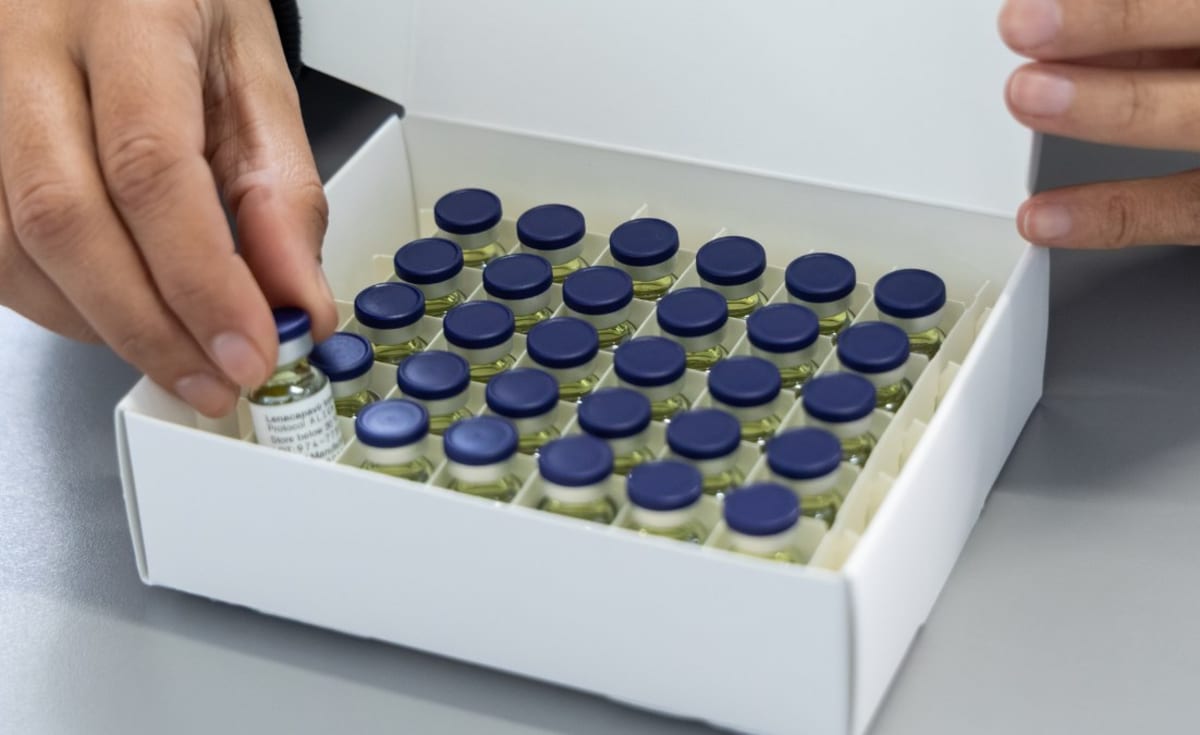
Scientists at Wits University in South Africa are launching a social media campaign to protect lenacapavir, a revolutionary twice-yearly HIV prevention injection launching June 5. The injection essentially eliminates HIV risk, but false claims could stop people from using it.
Lead researcher Brendan Maughan-Brown and his team aren't waiting for misinformation to spread. They're creating short TikTok videos that "pre-bunk" false claims by teaching people to recognize them before they go viral.
The team studied what kinds of misinformation would most likely deter young South African women from taking HIV prevention products. They surveyed 188 young women about 54 different false claims already beginning to circulate.
The results surprised them. Conspiracy theories about government plots ranked lower than expected. Instead, safety fears topped the list: claims that the injection could kill you, cause organ failure, or trigger cancer.
These findings match patterns from COVID-19 vaccine hesitancy. Nearly 40% of South Africans most resistant to the COVID vaccine believed it could be fatal, even though those fears had no basis in reality.
The researchers identified specific vulnerabilities that make lenacapavir especially prone to misinformation. Many people will confuse it with a vaccine because it's an injection that prevents disease, even though it works completely differently. Lenacapavir is PrEP, which blocks HIV from entering cells, while vaccines train your immune system.
Another concern: the injection can sometimes cause a visible bump under the skin. Most medication side effects are invisible, but this one can be photographed and shared on social media with misleading captions.
Why This Inspires
This proactive approach represents a fundamental shift in how we fight health misinformation. Instead of playing defense after false claims spread, these researchers are getting ahead of the problem.
Their work acknowledges a hard truth: once misinformation takes hold, it's incredibly difficult to dislodge. Human brains process frightening stories far more powerfully than later corrections. A vivid, scary claim sticks in memory in ways that rebuttals simply cannot displace.
By preparing communities now, before false claims gain traction, the team is protecting both individual health and public health. They're ensuring that a medication with genuine potential to end the HIV epidemic can actually reach the people who need it most.
The window to act is open right now, and these researchers are walking through it with purpose and hope.
Based on reporting by AllAfrica - Headlines
This story was written by BrightWire based on verified news reports.
Spread the positivity!
Share this good news with someone who needs it