%2Ffile%2Fattachments%2F2997%2FGettyImages-2211967510_856600.jpg)
South Africa Launches 116 Products Into Space Despite Hurdles
South African space companies put 116 products on a SpaceX rocket in July 2025, proving the nation's growing space capabilities. The country is now building a roadmap to slash billions in foreign satellite costs while creating local jobs.
South Africa just made a giant leap into the space economy, and it's about to save billions while connecting rural communities.
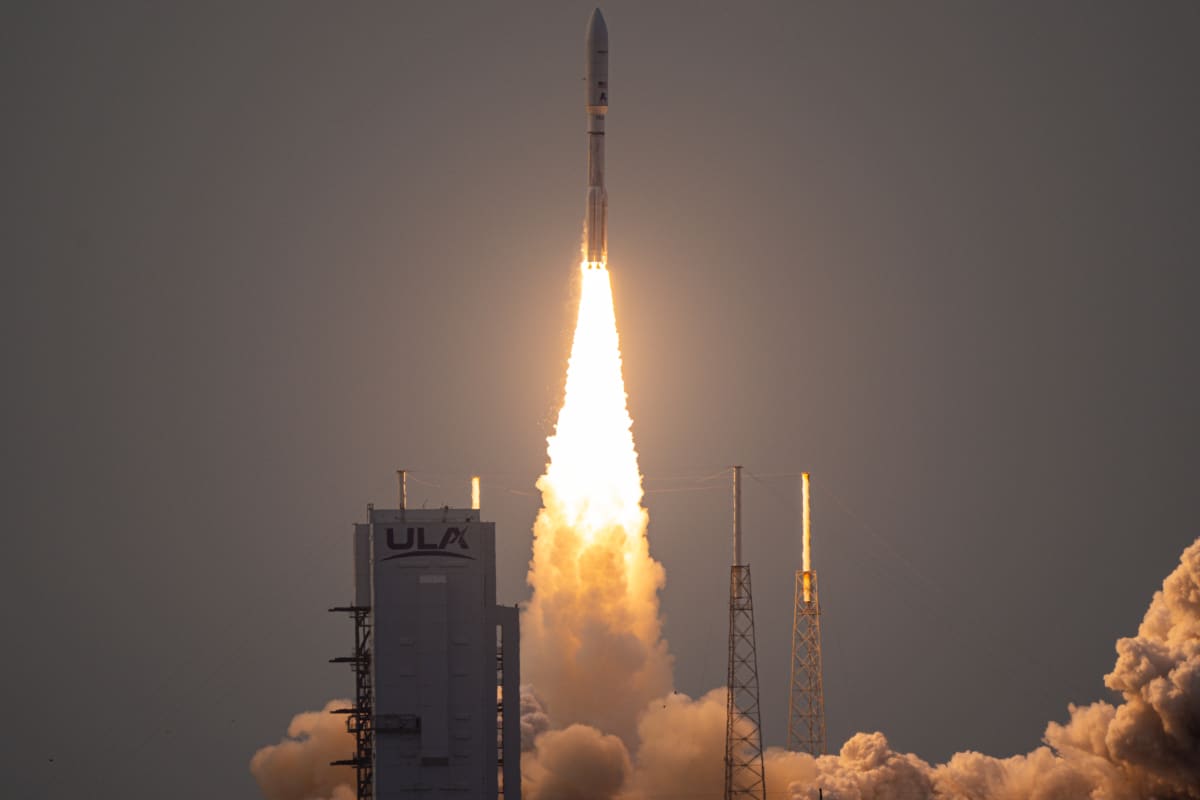
In July 2025, six South African space companies successfully launched 116 products aboard SpaceX's Transporter-14 mission. This milestone came despite years of regulatory confusion and infrastructure challenges that had industry experts worried about the country's space ambitions.
The achievement marks a turning point for a nation that currently spends 30 billion rand annually on external communication services, with over 1 billion rand flowing directly to foreign satellite providers. By building its own telecommunications satellite with a 20-year lifespan for an estimated 6 billion rand, South Africa could keep capital and thousands of jobs within its borders.
During an International Space Summit in August 2026, Minister of Communications and Digital Technologies Solly Malatsi painted a clear picture of why this matters. He described traveling to his home province of Limpopo, where internet connections weaken in small villages, cutting off thousands of households from opportunities that could transform their lives.
The government finally outlined its roadmap in April 2025 after years of delayed coordination between multiple departments. The plan focuses on ending total reliance on foreign satellite providers while protecting national sovereignty and expanding internet access to underserved areas.
South Africa also secured its first low Earth orbit satellite deal, bringing high-speed internet services to remote regions without waiting a decade to develop full domestic capacity. The approach balances immediate community needs with long-term infrastructure development.
The Ripple Effect
The global space economy reached 630 billion dollars in 2023 and is projected to hit 1.8 trillion dollars by 2035, according to the World Economic Forum. Small and medium enterprises represent 90% of businesses in this sector, meaning South African entrepreneurs have enormous opportunities ahead.
Space technology now intersects with agriculture, disaster management, healthcare, education, and logistics. For South African farmers tracking weather patterns, fishermen navigating safely at sea, and students accessing online education, these satellites represent life-changing tools, not distant science fiction.
The country faces real technical constraints, including shortages of systems engineers and aging infrastructure. But the July 2025 launch proved that South African innovation can compete globally when given the chance.
Minister Malatsi emphasized that Africa's role in the space economy must be decided by African nations through deliberate policy, not left to chance.
South Africa is building the invisible infrastructure that will connect its most isolated communities to the global digital economy, one satellite at a time.
More Images

%2Ffile%2Fattachments%2Forphans%2FED_594268_866551.jpg)
%2Ffile%2Fattachments%2F2997%2FDM-11092026-001_280371.jpg)
Based on reporting by Daily Maverick
This story was written by BrightWire based on verified news reports.
Spread the positivity!
Share this good news with someone who needs it