South Africa Launches Climate Commission to Protect Jobs
South Africa's newly elected Presidential Climate Commission is turning climate promises into action while ensuring vulnerable workers aren't left behind. President Ramaphosa says the country's energy transition must create opportunities, not casualties.
South Africa is proving that fighting climate change and protecting workers can go hand in hand.
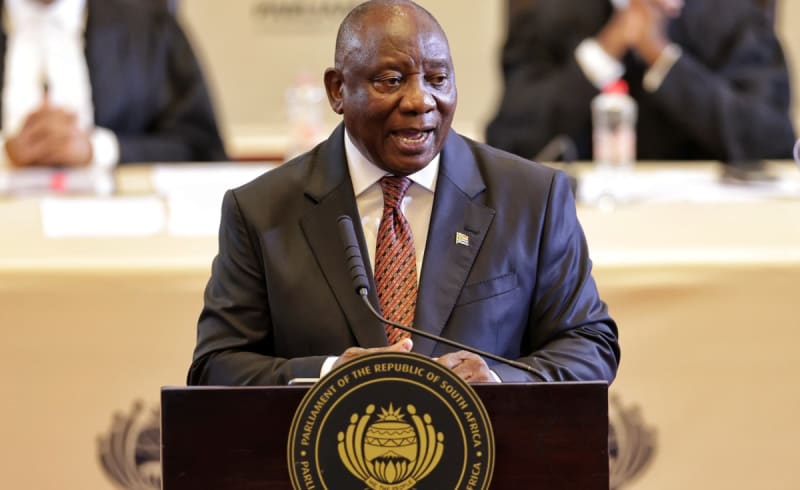
President Cyril Ramaphosa chaired the first meeting of South Africa's newly elected Presidential Climate Commission on Friday, outlining an ambitious plan to reduce carbon emissions while safeguarding jobs in coal-dependent communities. The commission brings together voices from government, business, labor unions, civil society, youth groups, and universities to chart the country's path forward.
The president acknowledged that South Africa is already feeling climate change's impact through increased flooding and extreme weather. These disasters threaten to worsen poverty, unemployment, and inequality unless the country acts now.
But Ramaphosa stressed that South Africa's climate transition must protect its most vulnerable people. Workers in coal mining and other carbon-intensive industries need support as the country shifts to renewable energy. Women, children, people with disabilities, and the unemployed face the greatest climate risks and deserve special protection.
The commission has already achieved important wins since its creation in December 2020. It helped build consensus around phasing down coal, investing in renewable energy, and protecting workers' livelihoods. The group ensures that climate policies are both scientifically sound and widely supported across society.
The Ripple Effect
South Africa's approach offers a model for other developing nations facing similar challenges. By prioritizing inclusive dialogue and social justice alongside environmental goals, the country is showing that climate action doesn't require choosing between the planet and people.
The commission's work has already influenced major policy decisions around renewable energy deployment, transmission infrastructure expansion, and private sector involvement. These changes promise to accelerate South Africa's transition while creating new economic opportunities for communities.
Ramaphosa admitted the transition has stumbled before. The community of Komati in Mpumalanga suffered economic hardship after its power station closed in 2022 without a solid recovery plan. The president pledged not to repeat that mistake, emphasizing that future transitions must include clear economic pathways for affected workers.
The commission's next phase focuses on turning commitments into visible progress. South Africa aims to accelerate renewable energy projects, strengthen the power grid, and enable energy storage solutions while maximizing economic benefits from the low-carbon transition.
President Ramaphosa called on all South Africans to participate as "economic actors" rather than passive recipients of aid. The goal is building a more inclusive, equal economy where climate action creates opportunities for everyone.
The commission represents unprecedented cooperation between sectors that traditionally clash over energy policy, proving that common ground exists when everyone has a voice at the table.
Based on reporting by AllAfrica - Headlines
This story was written by BrightWire based on verified news reports.
Spread the positivity!
Share this good news with someone who needs it