South Africa Launches National Leopard Survey for Conservation
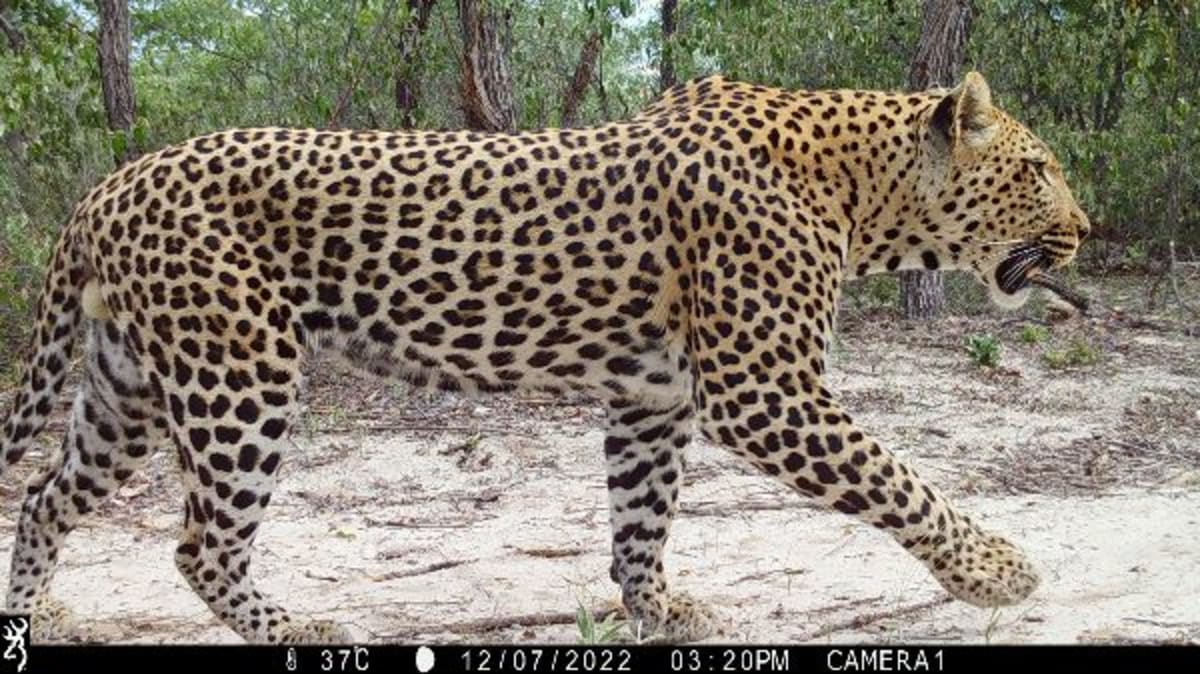
A new research vehicle is powering South Africa's first national leopard survey, giving scientists the tools to protect one of Africa's most elusive big cats. The project brings together conservation groups and local sponsors to gather critical data that will guide leopard protection for decades.
Scientists in South Africa just got a major boost in their mission to understand and protect African leopards. A dedicated research vehicle was handed over to teams conducting the country's first comprehensive national leopard survey, marking a turning point for conservation efforts.
The African Leopard Research Project is building momentum across southern Africa after completing successful fieldwork in Botswana. The current phase focuses on South Africa, with plans to expand into Mozambique and Zambia next.
At the heart of this work is a simple but powerful goal: collect solid scientific data so conservationists can make smart decisions about how to protect leopards. Without reliable information about where leopards live, how many exist, and what threatens them, protection efforts are just guesswork.
The South African Conservation Institute Foundation (SCIF) is partnering with the PHASA Foundation to conduct the national survey. Together, they're mapping leopard distribution, tracking population trends, and studying how these elusive cats use different habitats across the country.
The new research vehicle solves a major challenge for field teams working in remote and rugged terrain. Waterberg Toyota donated the vehicle during a ceremony attended by PHASA Foundation Chairlady Ilse Joubert, SCIF Conservation Director Dr. Chris Comer, and field researcher Adrian LeGrange, whose boots-on-the-ground work forms the backbone of the survey.
The vehicle comes equipped with a satellite navigation radio system provided by Graeme Alberts, plus support from sponsors including Haltlock and Wild Canopies. These contributions mean researchers can safely reach distant leopard habitats and stay connected even in areas without cell service.
The Ripple Effect
This survey will create benefits far beyond leopard conservation. The data collected will help land managers balance wildlife protection with sustainable land use across South Africa's diverse landscapes. Other African nations can use the survey methods to study their own leopard populations, creating a network of science-based conservation across the continent.
Local communities will also benefit from better understanding of leopard behavior and habitat needs. This knowledge helps reduce human-wildlife conflict while supporting ecosystems that depend on healthy predator populations.
As the project expands to other countries, each nation will face unique challenges that require local solutions. But the foundation remains the same: credible science, strong partnerships, and commitment to protecting leopards for future generations.
Every data point collected brings Africa closer to ensuring these magnificent cats thrive in the wild where they belong.
Based on reporting by Google News - Conservation Success
This story was written by BrightWire based on verified news reports.
Spread the positivity!
Share this good news with someone who needs it