South Africa Launches Women in Innovation Hub
South Africa just created a game-changing hub to turn women's research into real-world solutions. The partnership between FALF and the Technology Innovation Agency will give female academics the support they need to build businesses from their breakthrough ideas.
When female researchers develop groundbreaking technologies but lack the resources to bring them to market, everyone loses. South Africa just changed that equation with a new Women in Innovation Hub designed to transform academic research into thriving businesses.
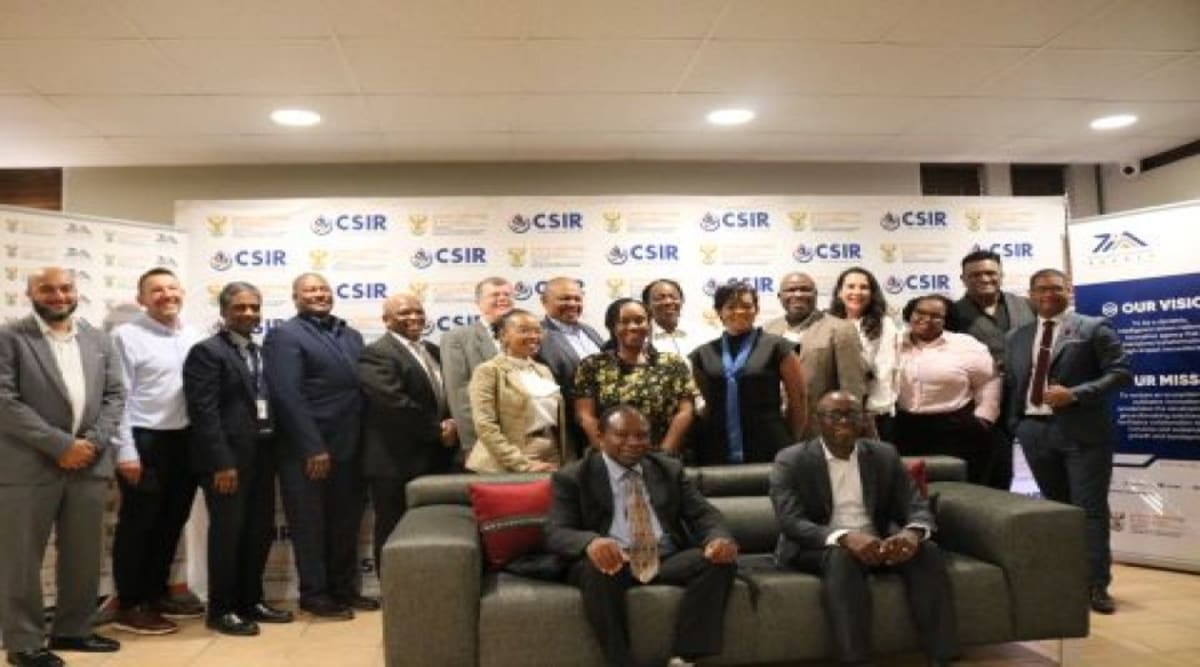
The Female Academic Leaders Fellowship signed a landmark partnership with the Technology Innovation Agency this August, creating infrastructure that gives women researchers access to mentorship, funding support, and commercialization expertise. The hub specifically targets female academic leaders, researchers, postgraduate students, and entrepreneurs who need help turning their intellectual property into market-ready solutions.
The announcement came during FALF Day 2026, an annual gathering that brings together academic leaders, industry partners, and policymakers to advance research commercialization. This year's event held special significance, coinciding with the 70th anniversary of the 1956 Women's March and the 50th anniversary of the 1976 Youth Uprising.
"Innovation only creates value when it reaches society," said Dr Titus Mathe, CEO of the Technology Innovation Agency. The partnership aims to ensure more South African research, particularly from women, translates into technologies that address real challenges and fuel economic growth.
FALF also launched its first Postgraduate Innovation Competition to showcase the next generation of innovators. Dr Khanani Mchumele won the debut competition with CXC Biosciences, a novel patch for tendon surgery that improves delivery of natural healing agents.
The event featured masterclasses from Tom Hockaday, former CEO of Oxford University Innovation, and an inspiring conversation with Laduma Ngxokolo, founder of MAXHOSA AFRICA. Ngxokolo transformed traditional Xhosa aesthetics into a globally recognized fashion brand, proving how cultural heritage can fuel commercial success.
The Ripple Effect: This partnership tackles multiple barriers at once. Women researchers often struggle to access the networks, funding, and expertise needed to commercialize their work. By providing investment-readiness programs and strategic partnerships, the hub creates pathways that didn't exist before. When more women-led innovations reach the market, South Africa gains diverse solutions to pressing problems while building a more inclusive economy.
FALF is also expanding its impact through research chairs focused on critical issues. The organization launched its first Research Chair in 2025, dedicated to addressing Gender-Based Violence and Femicide at Wits University. In 2026, FALF introduced a second chair focused on Entrepreneurship and Financial Inclusion at Nelson Mandela University.
Standard Bank Private Banking, the FirstRand Empowerment Foundation, the National Research Foundation, and the Ford Foundation provide crucial funding that makes these initiatives possible. Their support ensures women-led research doesn't stay trapped in academic papers but transforms into real-world impact.
South Africa now has the infrastructure to ensure brilliant ideas from women researchers actually reach the people who need them.
Based on reporting by Google News - Africa Innovation
This story was written by BrightWire based on verified news reports.
Spread the positivity!
Share this good news with someone who needs it