South Africa Makes Its Own Livestock Vaccine After 21 Years
South Africa just produced its first foot-and-mouth disease vaccine in over two decades, giving hope to farmers who've lost billions to outbreaks. The breakthrough could save the country's 12 million cattle herd and reopen closed export markets.
After 21 years of relying on imports, South Africa just made its own vaccine to fight a disease that's been devastating its livestock industry and costing billions in lost trade.
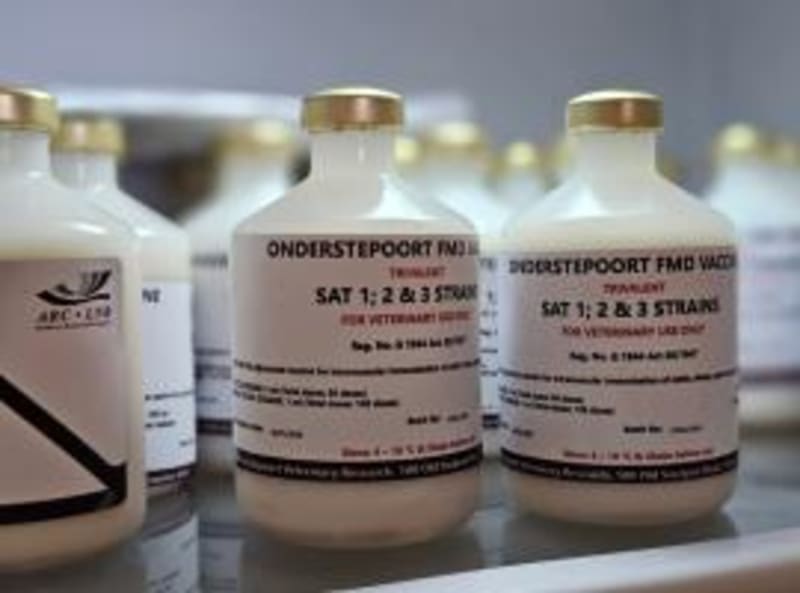
The first batch of 12,900 doses rolled out on February 6, 2026, from the Agricultural Research Council's facility in Onderstepoort. These shots target the specific virus strains hitting southern Africa hardest, using modern bioreactor technology that meets international safety standards.
The timing couldn't be more critical. Since losing its disease-free status in 2019, South Africa has faced export bans that cost the red meat industry over 4 billion rand. Outbreaks have spread to eight of nine provinces, forcing farmers to destroy thousands of animals and watch their livelihoods crumble.
Foot-and-mouth disease attacks cattle, pigs, and sheep, causing painful sores that stop animals from eating and walking. While rarely deadly, the economic damage is massive. Farms get quarantined, animals get culled, and export markets slam shut.
The country stopped making its own vaccines in 2005 when old facilities couldn't meet updated global safety rules. Since then, farmers had to wait for imported supplies that often arrived too late during outbreak peaks.
Agriculture Minister John Steenhuisen called the achievement a shift from "reactive disease chasing to a proactive, science-led war." The initial small batch proves the system works, with plans to scale up to 20,000 doses weekly by March and 200,000 by 2027.
The first doses are heading to the hardest-hit provinces: Free State, Eastern Cape, North West, Gauteng, Limpopo, and Mpumalanga. The goal is to vaccinate 80% of the nation's 12 million cattle, focusing on the 7.2 million on commercial farms where losses hit hardest.
The Ripple Effect
This breakthrough reaches far beyond farm gates. Regaining disease-free status could reopen markets in Europe and Asia, creating jobs in meat packing, transport, and sales. Rural communities that depend on livestock for food and income get a fighting chance against a disease that's been crushing them for years.
Local production also means faster response times during outbreaks and lower costs compared to imports. Farmers won't have to wait weeks for emergency supplies while watching their herds suffer.
Some critics point out the vaccine was ready in 2022 but sat unused while outbreaks raged. Small farmers worry about whether doses will reach communal lands where tracking animals is harder. Cold storage and trained veterinarians remain challenges in remote areas.
Still, researchers and farmers share cautious optimism that vaccine sovereignty will change the game. After years of watching helplessly as disease spread, South Africa can finally fight back with its own tools.
One step closer to healthy herds and open markets.
Based on reporting by Regional: south africa breakthrough (ZA)
This story was written by BrightWire based on verified news reports.
Spread the positivity!
Share this good news with someone who needs it
%2Ffile%2Fattachments%2Forphans%2FMLJoburg-91_220988.jpg)
%2Ffile%2Fattachments%2Forphans%2FIMG_20260823_131033_256493.jpg)
