%2Ffile%2Fattachments%2Forphans%2FED_618526_241432.jpg)
South Africa Minister Revives 30-Year-Old Justice Cases
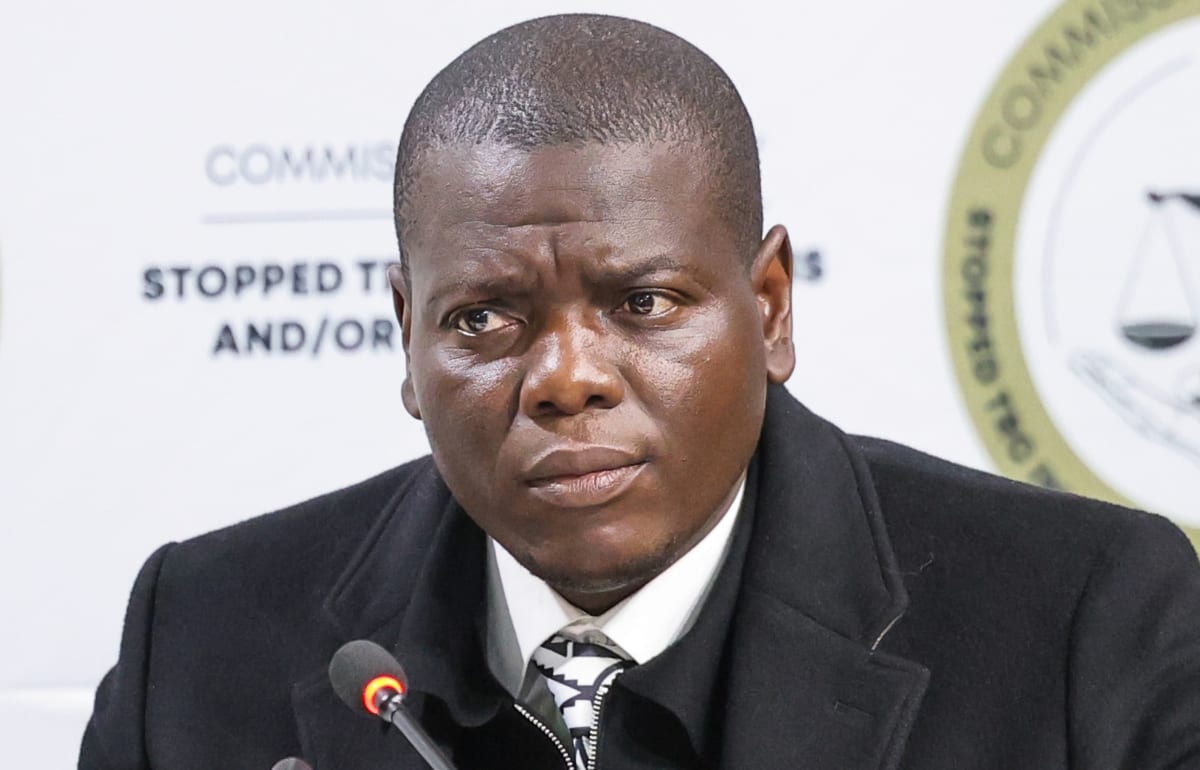
After three decades of delays, former Justice Minister Ronald Lamola kickstarted prosecutions for apartheid-era crimes, more than doubling active cases and securing convictions for families who waited a generation for answers. His five-year term saw investigations jump from 53 to 115 cases as dedicated teams finally brought closure to grieving communities. #
After 30 years of waiting, families of apartheid victims are finally seeing justice as one minister's determined push revived long-stalled prosecutions.
Ronald Lamola served as South Africa's Justice Minister from 2019 to 2024, inheriting a mountain of unresolved Truth and Reconciliation Commission cases. What happened next marked the most productive period in addressing these painful delays.
Lamola testified at the Khampepe Inquiry in August 2026, detailing how his ministry transformed the landscape of apartheid-era prosecutions. He secured funding from the National Treasury to strengthen the National Prosecuting Authority and assembled dedicated teams: 23 prosecutors, 34 Hawks investigators, and 40 police investigators.
The numbers tell a powerful story. By April 2021, just 53 cases received active attention. A year later, that number jumped to 115. Additional audits identified 57 more matters, and three new cases opened after victims came forward.
Real convictions followed. In 2025, former Security Branch officers were convicted for murdering Caiphus Nyoka, a student activist killed in 1987. In 2023, Gugulethu Madonsela received 10 years for killing 17-year-old activist Siphelele Nxumalo in 1989.
Lamola also reopened high-profile inquests into deaths including Neil Aggett, Hoosen Haffejee, and the Cradock Four. The reopened inquest for Ernest Dipale successfully found the Security Branch responsible for his death.
The Ripple Effect
The shift went beyond individual cases. Lamola decentralized responsibility, empowering local prosecutors across provinces to handle cases in their jurisdictions. This created regional teams with direct oversight and local knowledge.
A 2018 court judgment about activist Ahmed Timol's death became what Lamola called a "watershed moment." The ruling demanded clear accountability and sparked intense public pressure from victims' families who had waited decades for answers.
That pressure created momentum. The judgment clarified government roles and galvanized resources toward finally addressing these cases. Families who thought they'd never see justice watched investigations reopen and courtrooms fill.
For communities torn apart by apartheid violence, each conviction and reopened case represents more than legal process. It's acknowledgment of their pain, validation of their loss, and proof that persistence can outlast institutional inertia.
South Africa is showing that justice delayed doesn't have to mean justice denied forever.
#
More Images

%2Ffile%2Fattachments%2Forphans%2FED_601773_566536.jpg)
Based on reporting by Daily Maverick
This story was written by BrightWire based on verified news reports.
Spread the positivity!
Share this good news with someone who needs it
%2Ffile%2Fattachments%2F2996%2FAndisiwe-stunting-presidencyMAIN_344816.jpg)