%2Ffile%2Fattachments%2Forphans%2FTL_1943039_485853.jpg)
South Africa Minister Steps In to Pay Marathon Winners
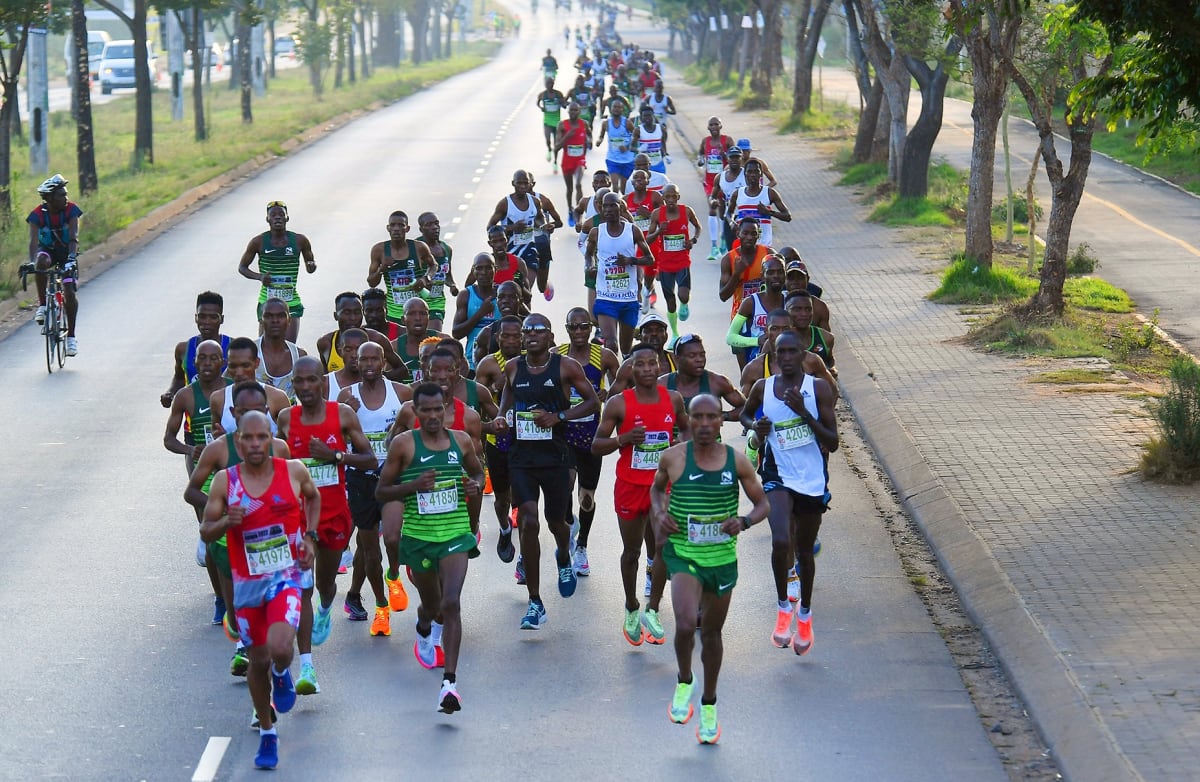
Six months after crossing the finish line, elite runners from South Africa's historic Soweto Marathon still haven't received their prize money. Now the government is stepping in to make things right.
When elite athlete Gerda Steyn finished third in the Soweto Marathon last November, she expected to receive her prize money within weeks. Six months later, she and other podium finishers are still waiting.
Sports Minister Gayton McKenzie announced his department will temporarily take over the Soweto Marathon to ensure the athletes get paid. He plans to redirect funding from other government projects if necessary to cover the outstanding prize money.
"We cannot sit back while one of our greatest athletes hasn't been paid," McKenzie said during a budget presentation on May 12. The minister also promised to open criminal cases against the race organizers who failed to distribute the funds.
For professional runners like Steyn, the unpaid prize money represents more than just lost income. She turned down international races to focus on preparing for Soweto, investing in coaches, physiotherapists, and travel with the expectation of being compensated.
The payment crisis emerged from months of infighting between three groups claiming control of the historic marathon. Central Gauteng Athletics replaced the longtime Soweto Marathon Trust with a new non-profit company to organize the 2025 race, sparking court battles and governance disputes.
Despite the chaos, the race went ahead on November 29, 2025. But the unpaid prize money has left elite athletes in limbo and raised concerns about South Africa's reputation as a host for international running events.
McKenzie plans to meet with race organizers and Athletics South Africa next week to understand what went wrong. His department will work to restore proper governance structures before handing the marathon back to local control, similar to interventions he made with boxing and basketball organizations.
The Ripple Effect
The minister's intervention sends a message that extends far beyond one marathon. South Africa hosts major international races like the Comrades Marathon, and unpaid athletes could damage the country's standing in the global running community.
By prioritizing athlete compensation, the government is protecting both individual livelihoods and South Africa's reputation. Professional runners spend significant money preparing for races, often investing 25% of expected prize money before they even reach the starting line.
The athletes who earned their podium positions through months of training and sacrifice will finally receive what they're owed, restoring faith in the system.
More Images
%2Ffile%2Fattachments%2Forphans%2FTL_2538945_445968.jpg)
%2Ffile%2Fattachments%2Forphans%2FTL_2547063_168369.jpg)

Based on reporting by Daily Maverick
This story was written by BrightWire based on verified news reports.
Spread the positivity!
Share this good news with someone who needs it
%2Ffile%2Fattachments%2F2996%2Fbella-main_811774.jpg)