
South Africa Plants $120M in Hope With Spekboom Revival
A resilient succulent plant is transforming barren Eastern Cape farmlands into thriving ecosystems while bringing millions to struggling rural communities. The World Bank just invested $120 million to scale this nature-based solution across 100,000 hectares.
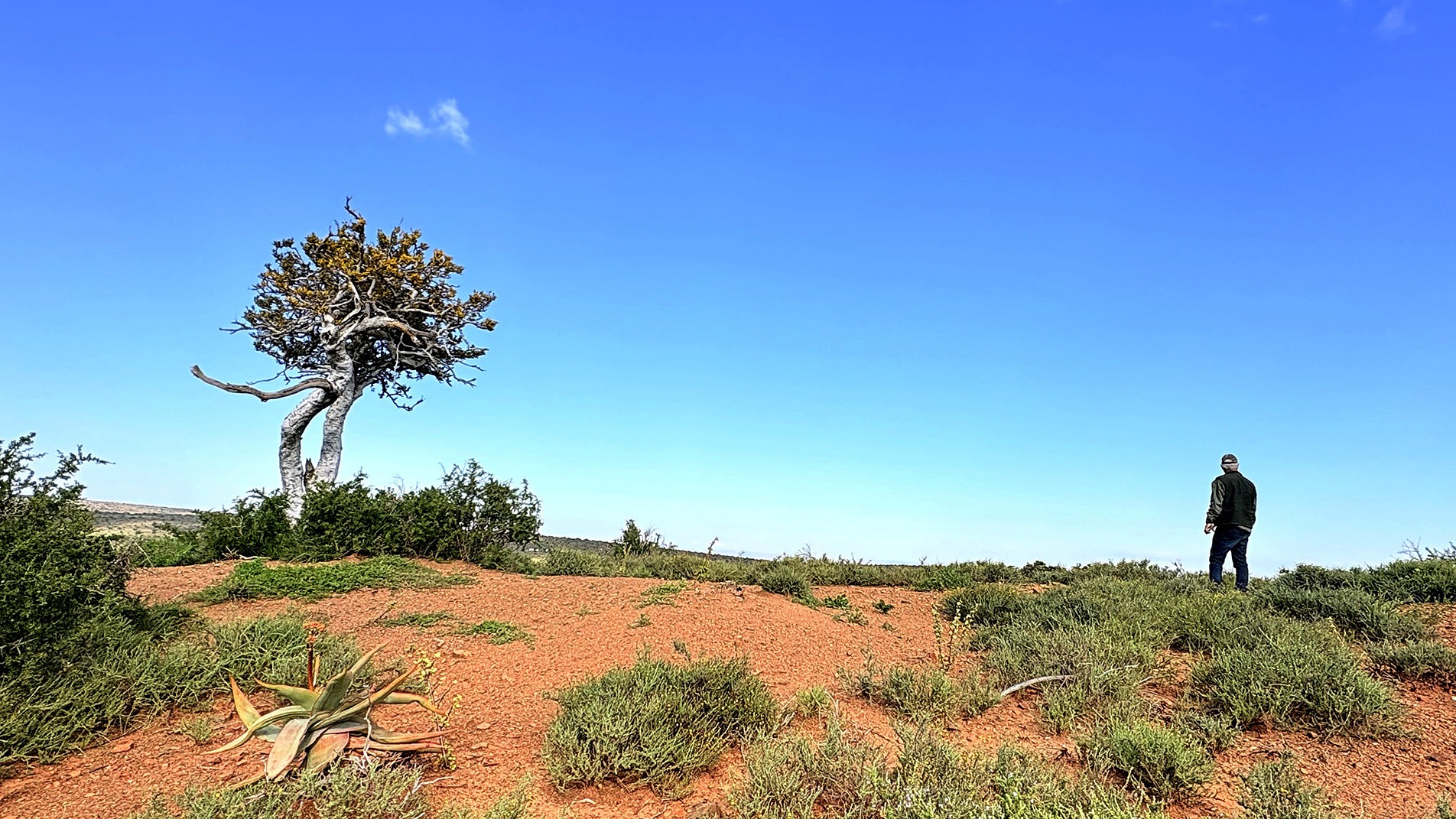
Imagine land so damaged that even after 25 years of rest, nothing grows back. That's what decades of farming did to South Africa's Eastern Cape, where 90% of native Albany thicket has been stripped to bare earth.
Now a humble succulent called spekboom is bringing it all back to life.
Fifteen years ago, ecologists at Kwandwe Private Game Reserve tried something simple. They cut finger-thick sprigs of spekboom from healthy areas and stuck them in the ground of a barren former ostrich camp. No roots, no special treatment, just plant and wait.
The results amazed even the experts. Today, those cuttings have grown into shoulder-height bushes with rich, dark soil at their bases. Native trees and shrubs are sprouting naturally underneath for the first time in decades.
"We're starting to see saplings and germinated seedlings that are naturally coming back now that the microclimate's changed," says Craig Sholto-Douglas, Kwandwe's environment manager.
Here's how the magic works. Spekboom's spreading canopy protects damaged ground from pounding rain and baking sun. Its leaves fall and create nutrient-rich soil. Seeds from other plants can finally take root in the shade and moisture underneath.
The transformation caught global attention this year. The World Bank launched a $120 million bond named after the plant to fund restoration projects. Singapore-based company Imperative Global Solutions received $25 million from that bond, plus another $66 million in loans, to plant spekboom across 100,000 hectares over the next five years.
Tech giant Amazon has already agreed to buy carbon credits from the restored lands. Imperative estimates the first 60,000 hectares will bring $500 million into the struggling farming economy over four decades.
This isn't just about one plant or one region. It's about showing that nature-based solutions can work at massive scale while creating real economic opportunity for rural communities.
The Ripple Effect
What started as a low-tech experiment with leftover plant cuttings is becoming a blueprint for African agriculture. Ecologists believe similar approaches could work in grasslands, savannas, and mangroves across the continent, where restoring ecosystems generates income through carbon markets instead of traditional crops.
The spekboom model proves that damaged land isn't worthless. With the right approach and patient investment, even the most barren ground can come back to life and support communities for generations.
South Africa's humble succulent is showing the world that restoration and prosperity can grow from the same soil.
More Images



Based on reporting by Daily Maverick
This story was written by BrightWire based on verified news reports.
Play Today’s BrightWire Positive Mini Crossword & Word Game
Keep your mind sharp with our free 5-minute uplifting daily crossword and positivity word puzzle.
Spread the positivity!
Share this good news with someone who needs it


