%2Ffile%2Fattachments%2Forphans%2FFeatureimage_TimWege_251174.jpg)
South Africa Races to Make Life-Saving HIV Shot at Home
South Africa is fast-tracking local production of a revolutionary HIV prevention injection that could help end AIDS in the country by 2043. With international support, local drugmakers could start making affordable versions as soon as next year.
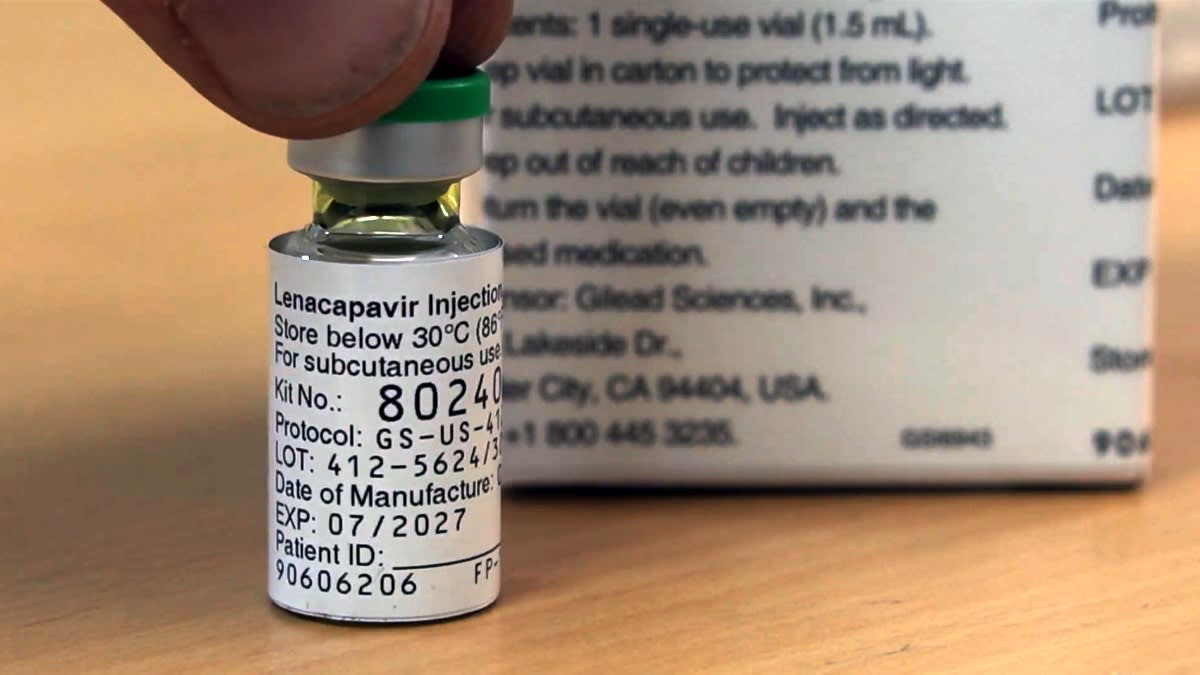
South Africa is taking bold steps to produce a game-changing HIV prevention shot that could protect millions of people from the virus for the price of a daily cup of coffee.
The country's National AIDS Council has invited local drug companies to apply by April 7 to make generic versions of lenacapavir, a twice-yearly injection that's nearly 100% effective at preventing HIV infection through sex. If 31 million South Africans use it for at least a year each between now and 2043, the country could effectively end AIDS.
The original shot, made by US company Gilead Sciences, was approved in South Africa last October. Now the government wants to bring production home, making it more affordable and accessible to everyone who needs it.
Three South African companies tried to get licenses in 2024 but didn't succeed, mostly because making the shot's active ingredient involves a complex 28-step process. Instead, Gilead gave licenses to six companies in India, Pakistan, and Egypt, which will start selling generic versions in 2027.
This time is different. South Africa is getting serious support from international health organizations Unitaid and the United States Pharmacopeia, which will help local manufacturers master the production process and compete on price. The goal is to match the $40 annual cost of current HIV prevention pills, which are already free at nearly all government clinics.
Gilead has agreed to let South African companies import the complex active ingredient during the first three months to a year while they learn to make it themselves through hands-on training and technical support. This means production could start faster, with local companies potentially making the pills that accompany the first injection while mastering the full process.
CEO Thembisile Xulu says the council will submit a shortlist of qualified applicants to Gilead by July. Companies will be scored on their technical capability and their ability to expand access and improve affordability. Those scoring 45 out of 60 or higher on technical skills will move forward to a second evaluation round.
The Ripple Effect
This isn't just about one country making one medicine. South Africa's push could create a model for how African nations take control of producing their own essential medicines, reducing dependence on overseas manufacturers and ensuring faster, more equitable access during health crises.
The collaboration between government departments, international health organizations, and local manufacturers shows what's possible when everyone works toward the same goal. Two Indian companies with existing licenses have already received grants to help them hit that crucial $40 price point, and South African manufacturers will get similar support.
Local production means jobs, expertise, and the ability to respond quickly to the health needs of South Africans and neighboring countries who desperately need this protection.
By this time next year, South Africans could be getting HIV prevention shots made right at home, at a price everyone can afford.
More Images
Based on reporting by Daily Maverick
This story was written by BrightWire based on verified news reports.
Spread the positivity!
Share this good news with someone who needs it
%2Ffile%2Fattachments%2Forphans%2FFEATUREIMAGE27JULYUNSPLASH_147218.jpg)