%2Ffile%2Fattachments%2Forphans%2FBMEskomwinsinferrochromedealcopy_674538.jpg)
South Africa Saves 25 Smelters, Thousands of Jobs
A new power deal between Eskom and ferrochrome smelters will restart 25 shuttered furnaces and preserve thousands of jobs while boosting the national economy. The agreement proves that creative problem-solving can turn crisis into opportunity.
When South Africa's ferrochrome smelting industry nearly collapsed last year, it threatened to wipe out thousands of jobs and cost the country billions in lost revenue.
Now, a groundbreaking power agreement is bringing those idle furnaces roaring back to life. State power utility Eskom and ferrochrome producers have struck a deal that saves an entire industry while strengthening the nation's electricity grid.
The numbers tell an incredible turnaround story. Merafe's ferrochrome production had plummeted 63% in 2025 as sky-high electricity costs forced smelters to shut down. The company was paying R633 million just to keep idle furnaces on standby while workers faced possible layoffs.
Under the new agreement, Eskom will supply power at 62 cents per kilowatt-hour. That's the sweet spot producers needed to restart operations at the Boshoek, Wonderkop, and Lion smelters.
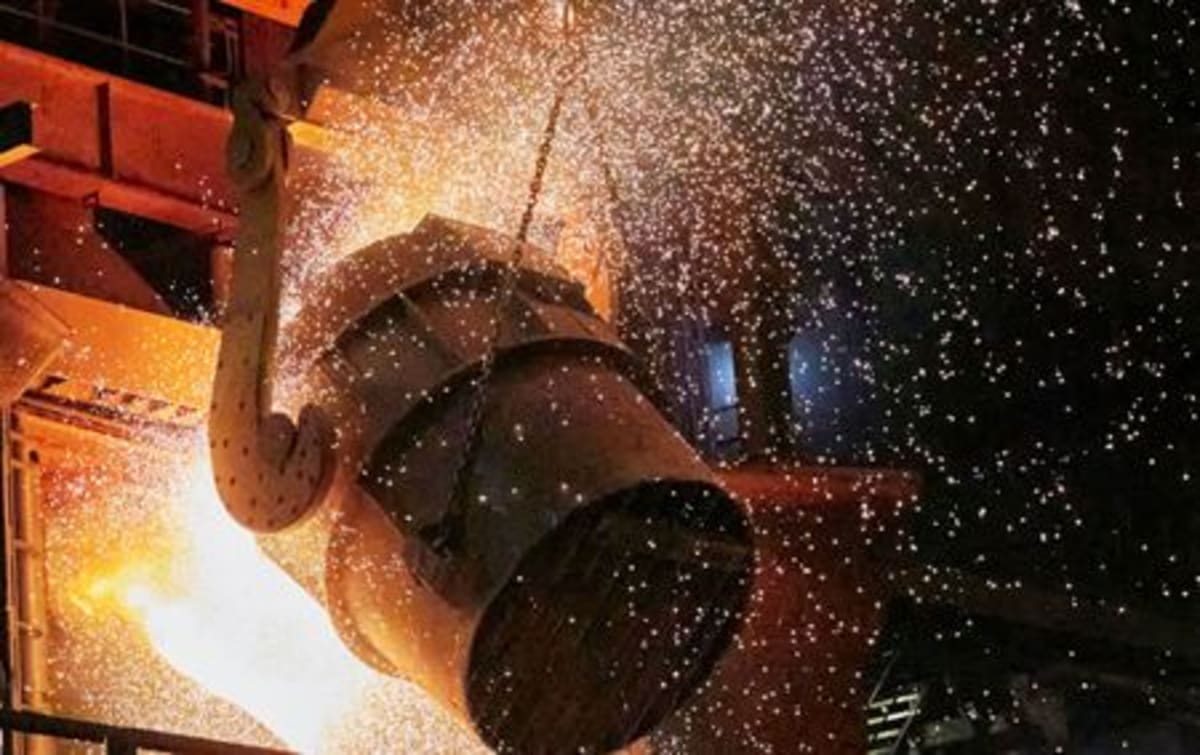
The deal will bring 25 furnaces back online by year's end, restoring 1,500 megawatts of production capacity. For context, that's enough electricity to power a mid-sized city, now being channeled into productive industrial use.
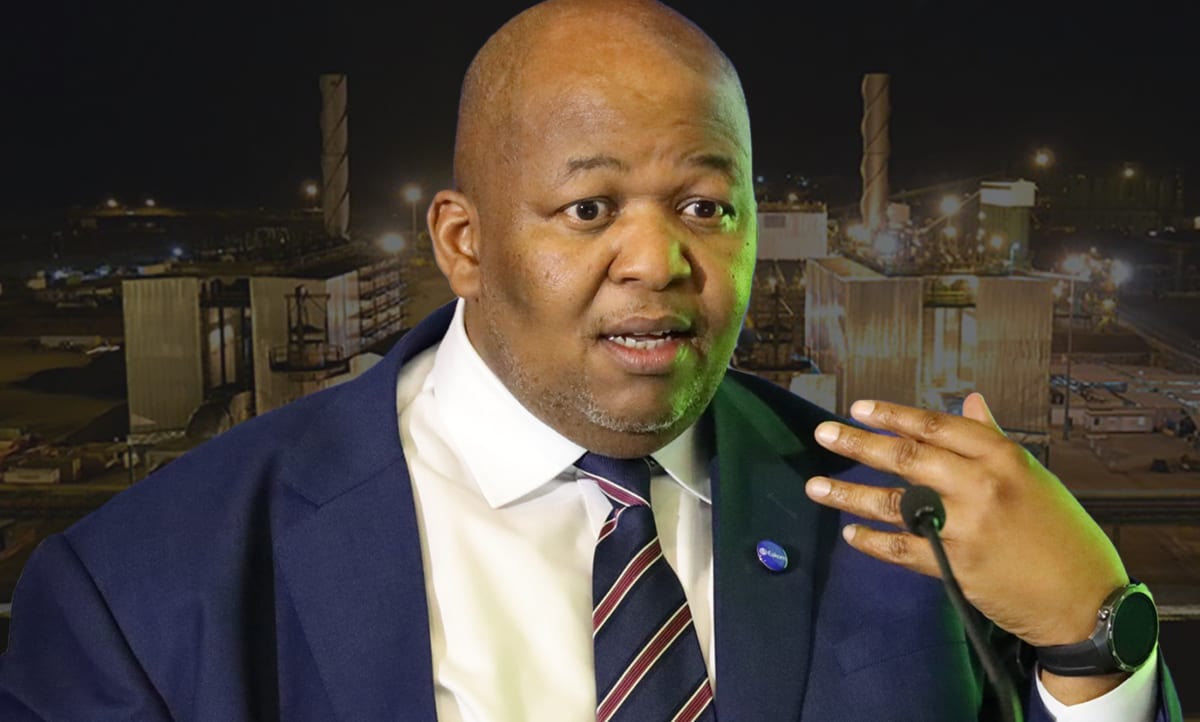
Eskom CEO Dan Marokane structured the agreement to benefit everyone involved. Despite offering discounted rates, the utility expects to recover between R5 billion and R8 billion in industrial revenue. That means more stability for the power grid without raising rates on ordinary South Africans or requiring government bailouts.
The ferrochrome industry matters far beyond the smelters themselves. Electricity represents 40 cents of every rand it costs to operate these facilities, and it takes about 450 megawatt-hours to produce just one ton of ferrochrome.
South Africa holds 70% of the world's chrome ore reserves. These reopened smelters transform that raw material into valuable products right at home, creating skilled jobs and export revenue the country needs.
The Ripple Effect
The agreement has already halted planned Section 189 retrenchments that would have devastated mining communities. Samancor Chrome is currently accepting applications for its chrome engineering learnership program, training the next generation of skilled workers.
Thousands of families who faced uncertainty now have secure employment. The deal preserves not just individual jobs but entire communities built around these operations over generations.
The broader South African economy gets a major boost too. The industrial sector contributes nearly 20% of Eskom's R340.9 billion revenue, and keeping these major customers operational strengthens the entire economic foundation.
Industry leaders acknowledge this five-year agreement buys crucial time while they explore long-term solutions. Future plans include independent power producers and renewable energy sources that could make South African ferrochrome production even more competitive globally.
The national energy regulator Nersa has 30 days to grant final approval, but the provisional acceptance marks a turning point for an industry that seemed headed for extinction just months ago.
More Images

%2Ffile%2Fattachments%2F2990%2FGemini_Generated_Image_SAalsonetwinnerinferrocrhomedeal_466345.png)
Based on reporting by Daily Maverick
This story was written by BrightWire based on verified news reports.
Spread the positivity!
Share this good news with someone who needs it
%2Ffile%2Fattachments%2Forphans%2FED_600550_971015.jpg)

%2Ffile%2Fattachments%2Forphans%2Fsink_hole_town_two_extra_large_700844.jpeg)