%2Ffile%2Fattachments%2Forphans%2FED_597668_621051.jpg)
South Africa Tackles Municipal Debt Crisis Head-On
Parliament is taking unprecedented action to restore financial accountability to 69 struggling municipalities, including Johannesburg. While the approach sparks debate, it signals a turning point toward responsible governance that could transform service delivery across the nation.
South Africa's Parliament just drew a line in the sand that could reshape how cities serve their communities for years to come.
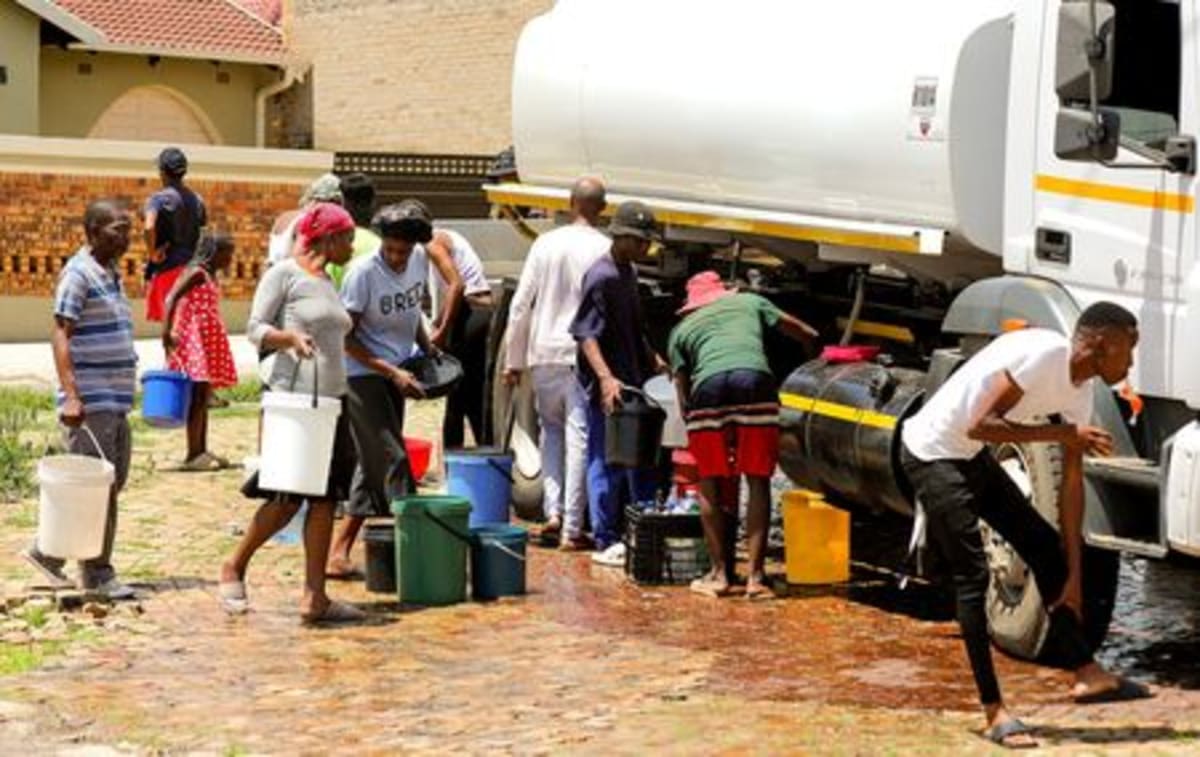
In a historic seven-hour joint committee session, lawmakers confronted a crisis that has quietly undermined essential services for millions of residents. Johannesburg alone owes R3.73 billion to Eskom in overdue electricity debt, forcing the national government to step in to prevent blackouts and service collapse.
Dr. Zweli Mkhize, chairperson of the cooperative governance committee, made the stakes crystal clear. "The buck stops here," he declared, backing National Treasury's decision to freeze funding to defaulting councils until they clean up their finances.
The intervention isn't without controversy. Four parliamentary oversight committees gave Treasury just seven days to legally justify the funding freeze, while Johannesburg received 75 days to slash wasteful spending by 25 percent or face permanent grant lockdowns.
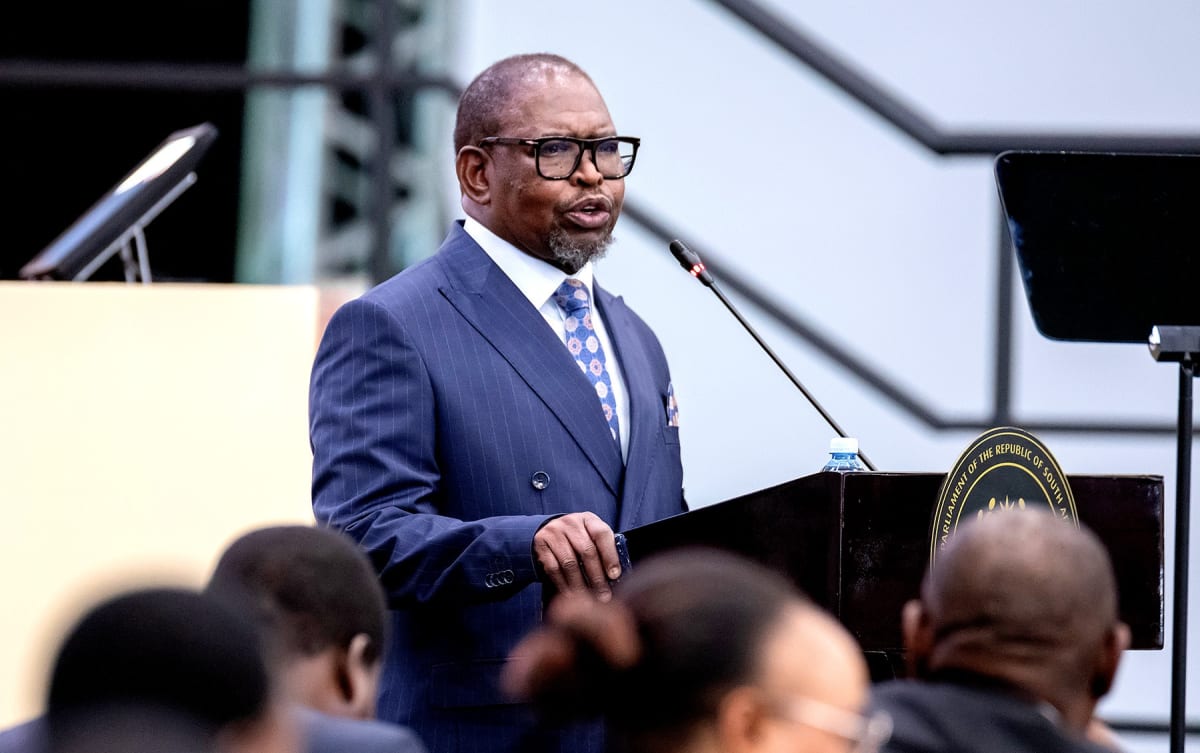
Finance Minister Enoch Godongwana defended the tough love approach as a necessary last resort after years of financial mismanagement. Treasury has the legal authority to withhold funds for up to 120 days before Parliament must intervene, he argued.
But here's where the story gets genuinely hopeful. Critics aren't just complaining about the problem. They're pushing for smarter solutions that balance accountability with support.
Cooperative Governance Minister Velenkosini Hlabisa proposed a thoughtful five-step warning system that would give struggling municipalities 14 days' notice and partial funding restrictions instead of total financial shutdowns. The goal is accountability without punishing ordinary residents who depend on basic services.
The Ripple Effect
This confrontation revealed something encouraging buried in the data. While municipalities owe billions, government departments themselves owe councils R11.6 billion in unpaid bills.
That discovery shifts the conversation from simple blame to shared responsibility. Parliamentary committees are now demanding a full registry of defaulting government departments, creating accountability that flows both ways.
The framework emerging from these intense debates could become a model for transparent, balanced governance. Instead of sudden financial shocks that hurt communities, the proposed system builds in warnings, consultations, and graduated responses that give councils a real chance to improve.
What started as a crisis is evolving into an opportunity to fundamentally rethink how national and local governments work together. The constitutional obligation to support municipal capacity is finally getting the serious attention it deserves.
September 30 marks Johannesburg's deadline to demonstrate meaningful progress, but the real deadline is the one South Africa is setting for itself: to prove that accountable, responsive governance isn't just possible but inevitable.
More Images

%2Ffile%2Fdailymaverick%2Fwp-content%2Fuploads%2F2025%2F03%2FED_548463.jpg)
Based on reporting by Daily Maverick
This story was written by BrightWire based on verified news reports.
Spread the positivity!
Share this good news with someone who needs it
%2Ffile%2Fattachments%2Forphans%2FMLJoburg-91_220988.jpg)
%2Ffile%2Fattachments%2Forphans%2FIMG_20260823_131033_256493.jpg)