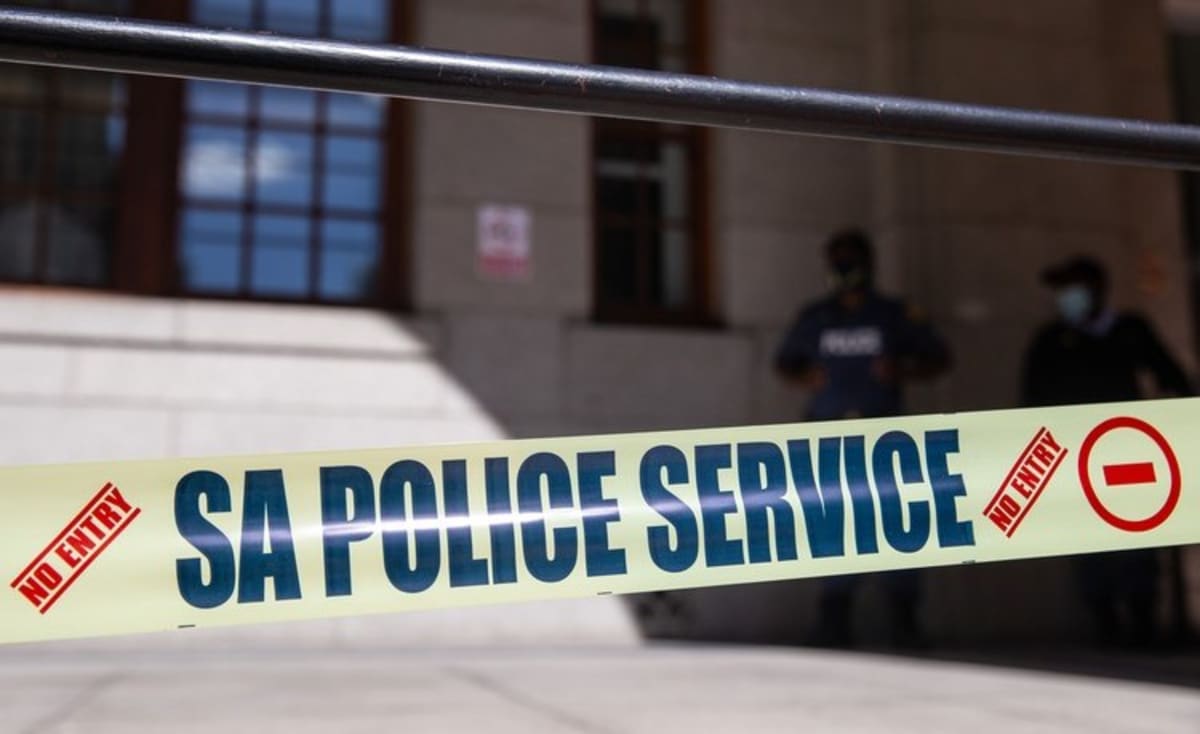
South Africa Takes New Aim at Organized Crime Networks
South Africa is launching a game-changing approach to fight corruption by preventing crimes before they happen instead of just reacting after the damage is done. President Cyril Ramaphosa announced a coordinated national program that brings government agencies, private companies, and regulators together to disrupt criminal networks at their roots.
While many democracies struggle against rising authoritarianism, South Africa is pioneering a smarter way to protect its institutions from the hidden threat of organized crime and corruption.
President Cyril Ramaphosa recently unveiled an ambitious plan to shift how the country fights financial crime. Instead of waiting for crimes to happen and then chasing criminals, South Africa will move upstream to stop illegal activity before it takes root.
The new approach tackles a critical weakness in most justice systems worldwide. Criminal networks using modern technology can adapt faster than governments, slipping through gaps between agencies that don't share information or coordinate efforts. Meanwhile, corruption quietly erodes democratic institutions from within.
South Africa's solution brings together tax authorities, prosecutors, regulators, and private sector partners under one coordinated strategy. The plan includes analyzing digital footprints left by shell companies, suspicious bank accounts, and questionable government contracts to detect red flags early.
The country already has powerful tools waiting to be fully deployed. The new Public Procurement Act creates watchdog offices to monitor government spending. Regulatory bodies like the Companies and Intellectual Property Commission could enforce stronger transparency rules about who really owns businesses bidding for public contracts.
The Ripple Effect
Success could transform how democracies everywhere protect themselves from financial crime. Imagine procurement data publicly available in real time, government agencies sharing information seamlessly, and officials caught in misconduct permanently barred from public service. These changes would make it exponentially harder for criminal networks to exploit system weaknesses.
The shift requires changing how success gets measured. A prevented crime generates no headlines and leaves no evidence, making it nearly impossible to count. But government leaders are choosing to value prevention anyway, realigning incentives so agencies cooperate instead of competing for individual performance metrics.
South Africa's high crime and corruption rates pose real threats to its young democracy. But by choosing disruption over reaction and coordination over silos, the country is showing institutional resilience that could inspire nations facing similar challenges.
This upstream revolution proves that protecting democracy doesn't always require more laws or harsher punishments, sometimes it just needs smarter strategy and genuine teamwork.
Based on reporting by AllAfrica - Headlines
This story was written by BrightWire based on verified news reports.
Spread the positivity!
Share this good news with someone who needs it