South Africa to Produce Twice-Yearly HIV Drug Locally
A South African lab will soon manufacture a groundbreaking HIV treatment that only requires two injections per year, marking a major win for medical independence across Africa. The move ensures lifesaving medicine can be produced close to home.
South Africa just took a giant leap toward controlling its own medical future.
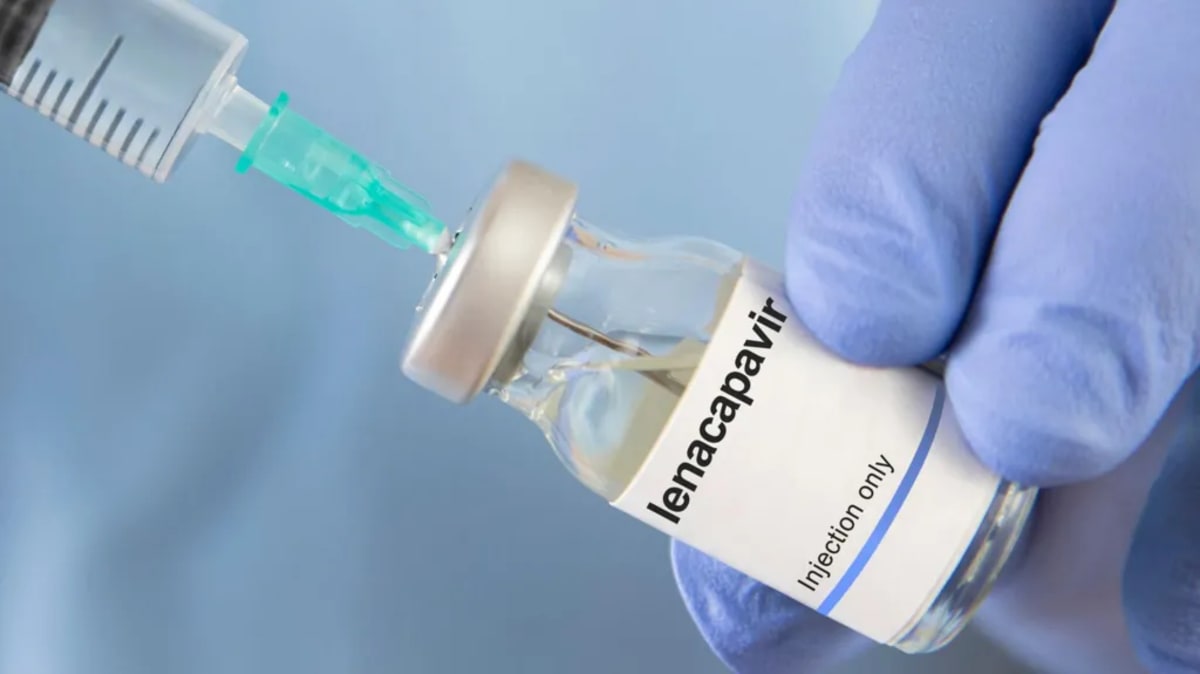
A local laboratory will soon produce lenacapavir, a revolutionary HIV treatment that only needs to be injected twice a year. The international health agency Unitaid announced the agreement with US pharmaceutical company Gilead on Tuesday at a Franco-African economic summit in Nairobi.
This is huge news for HIV prevention. Studies show lenacapavir reduces transmission risk by 99.9 percent, and the twice-yearly schedule makes it far easier to stick with than daily pills.
"Together with Gilead, we have an agreement with the government of South Africa for this drug to be produced in South Africa as soon as possible," said Unitaid executive director Philippe Duneton. His organization works to make essential medicines affordable in lower-income countries.
The timeline looks promising. Unitaid has already launched a call for tenders to identify which South African lab will handle production. Once selected, actual manufacturing should begin within one to two years.
For women especially, this treatment removes a major barrier. Daily HIV pills can lead to stigma and judgment from partners or family members. A twice-yearly injection offers privacy and protection without the daily reminder.
The Ripple Effect
This partnership reflects hard lessons learned during the COVID pandemic, when wealthy nations hoarded vaccine supplies while Africa waited. Producing critical medicines locally means countries can respond faster during health emergencies and avoid supply chain disruptions.
"When there are tensions, competition or disruptions in supply chains, it's better to have medicines produced close to home," Duneton told AFP. "That holds true everywhere, in Europe as well as in Africa."
The move represents years of negotiation finally paying off. Duneton said Unitaid has been in discussions for years to make this moment possible, and he's confident the preliminary agreement will be finalized soon.
Beyond HIV treatment, this partnership sets a precedent for African nations to manufacture other lifesaving drugs locally. Medical sovereignty means health decisions get made by the people they affect most.
South Africa's success could inspire similar partnerships across the continent, bringing production of essential medicines closer to the patients who need them most.
More Images




Based on reporting by Punch Nigeria
This story was written by BrightWire based on verified news reports.
Spread the positivity!
Share this good news with someone who needs it