South Africa Turns Coal Mines Into Solar Farms and Food Hubs
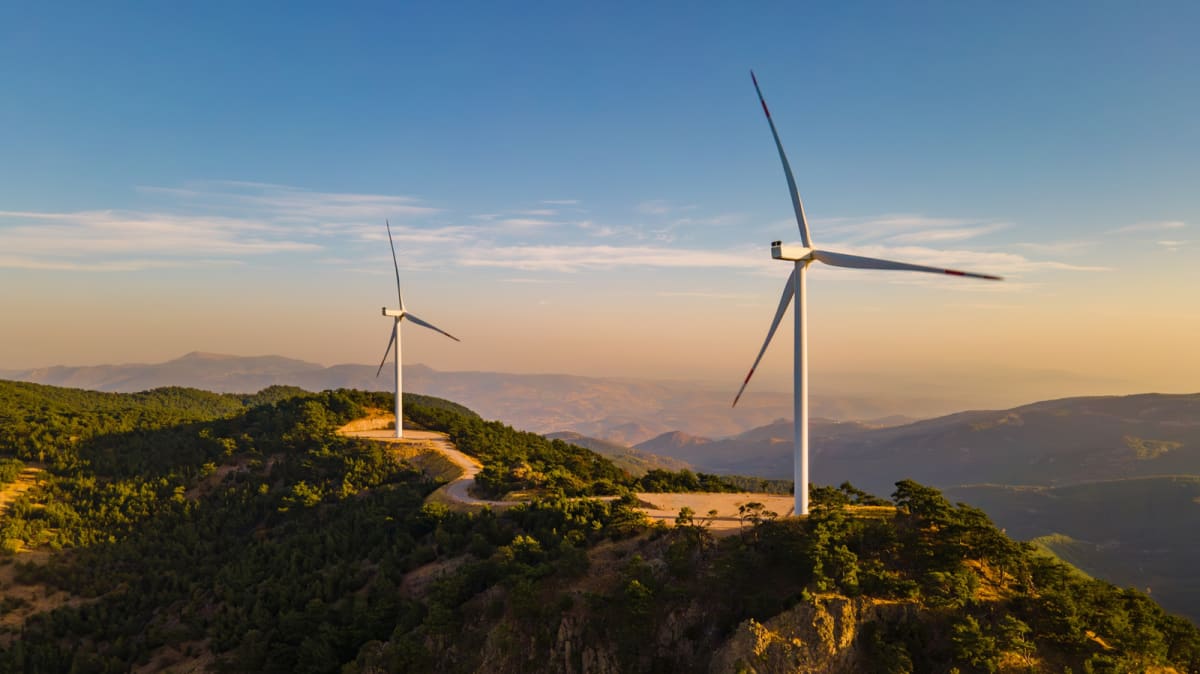
As South Africa phases out coal by 2050, researchers have found a way to transform old mines and power plants into renewable energy centers and agricultural training grounds. This breakthrough could save over 100,000 jobs while cleaning up the environment.
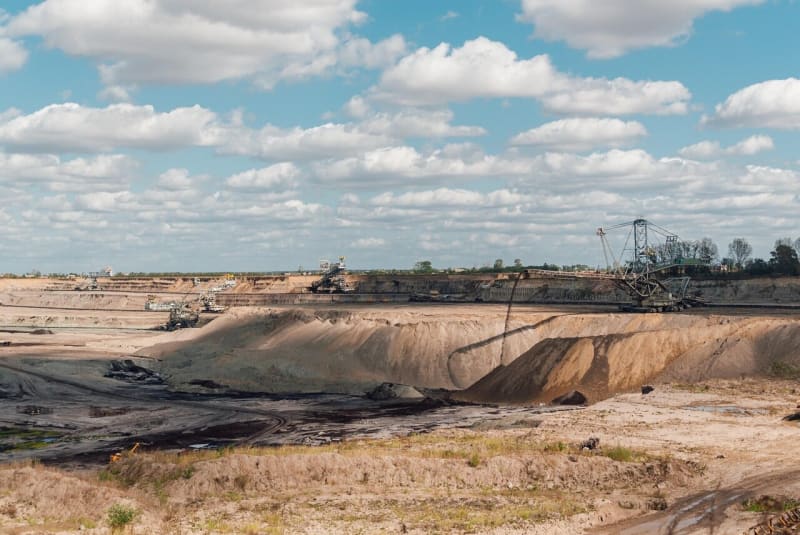
Coal mines that once powered a nation are getting a second life as solar farms and agricultural centers in South Africa.
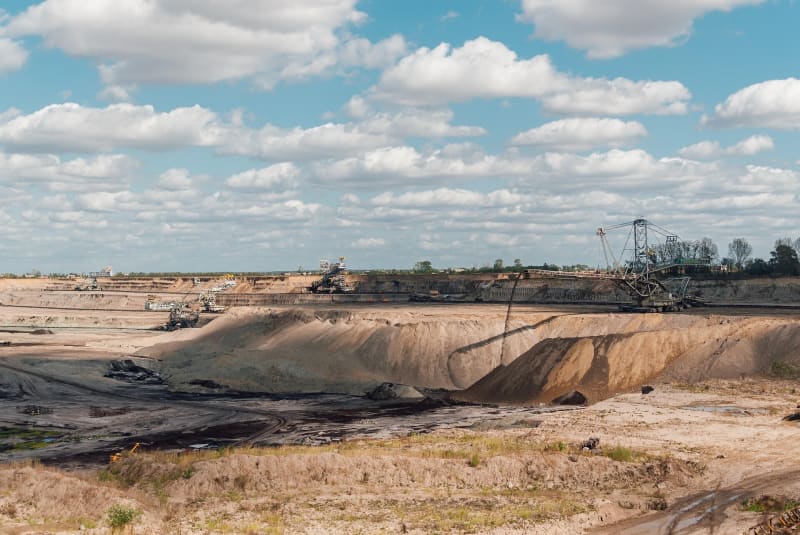
Researchers Sandeep Pai and Jennifer Broadhurst discovered that the country's 108 coal mines and 14 power plants don't need to become ghost towns when coal gets phased out. Instead, these massive industrial sites can be transformed into renewable energy hubs and climate-smart farming centers that keep communities thriving.
Right now, South Africa still generates 74% of its electricity from coal and employs over 100,000 people directly in the coal sector. The country plans to reach net zero emissions by 2050, which means all that infrastructure and those jobs could disappear without a plan.
But here's where the story gets hopeful. The research shows that old coal sites are actually perfect for new industries because they already have roads, rail networks, and electricity connections in place.
The Grootvlei coal power plant is leading the way. It's being converted into the Grootvlei Climate Smart Horticulture Center, where farmers and professionals learn modern agricultural skills. The power utility Eskom envisions this becoming a full agriculture hub that feeds communities and creates jobs.
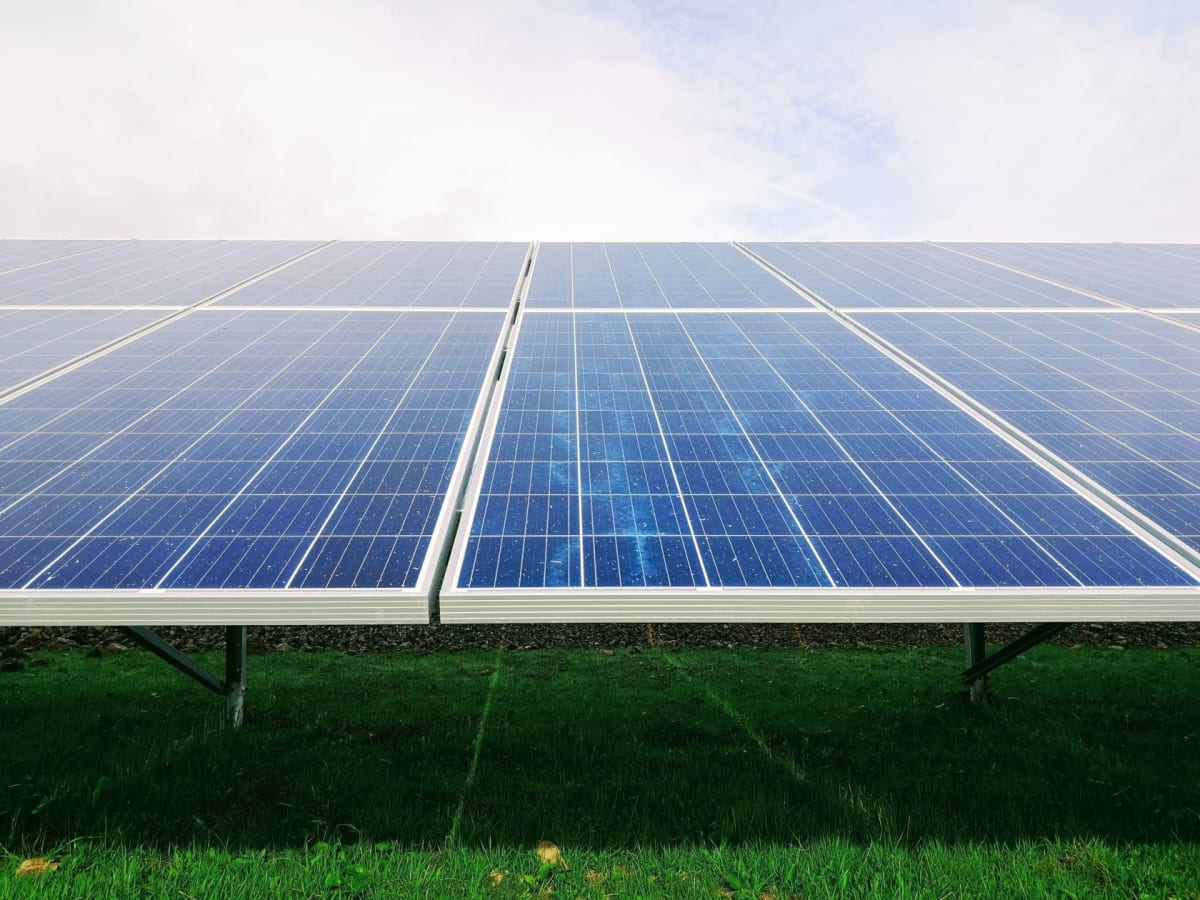
Meanwhile, coal mining land can host solar panels and battery storage systems. The same workers who kept the lights on with coal can help build and maintain clean energy systems. Rail lines that once hauled coal can transport crops or renewable equipment.
This isn't just theory. India is already converting coal mine waste into cheaper construction sand. The United States has transformed abandoned coal rail lines into hiking trails that employ former coal workers as guides and maintenance staff.
The Ripple Effect
When one coal site gets repurposed, the benefits spread far beyond that location. The research team emphasizes that mines, power plants, rail lines, and ports need to transform together as a complete system. This creates entirely new industries instead of just replacing one facility at a time.
Workers gain new skills instead of losing livelihoods. Communities maintain their economic heartbeat. The environment gets restored rather than abandoned. And the country moves toward clean energy without leaving anyone behind.
The challenge now is funding and coordination. South Africa's power utility Eskom wants to move forward but needs more financial support. About $14.3 billion in international funding has been pledged through the Just Energy Transition partnership, but experts say more is needed to make this vision reality across all coal regions.
The good news? The blueprint exists, successful examples are running, and the transformation protects both people and the planet.
More Images

Based on reporting by Phys.org - Technology
This story was written by BrightWire based on verified news reports.
Spread the positivity!
Share this good news with someone who needs it