South Africa University Converts Gas Vehicles to Electric
The University of Johannesburg is transforming petrol cars into electric vehicles, offering an affordable path to green mobility that doesn't rely on expensive imports. Their first project converts a tuk-tuk while training the next generation of EV engineers.
While most countries wait for electric vehicle prices to drop, South Africa is taking matters into its own hands by converting existing cars to run on electricity.
The University of Johannesburg has launched the Centre for Automotive and Electric Vehicle Innovation, a program that's doing something brilliantly practical. Instead of importing costly electric vehicles, they're converting petrol and diesel vehicles into electric ones, extending their lifespan while slashing emissions.
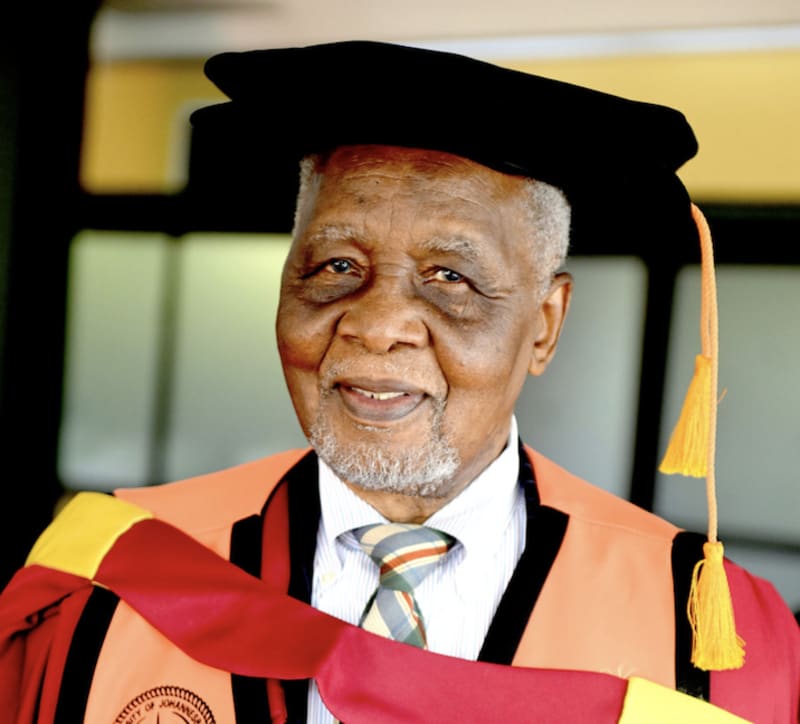
Their flagship project involves completely rebuilding a petrol-powered tuk-tuk into an electric vehicle. Dr. Samuel Gqibani, who heads the center, explains that this proves electric mobility doesn't have to depend on expensive imports. It can be designed, engineered, and assembled locally.
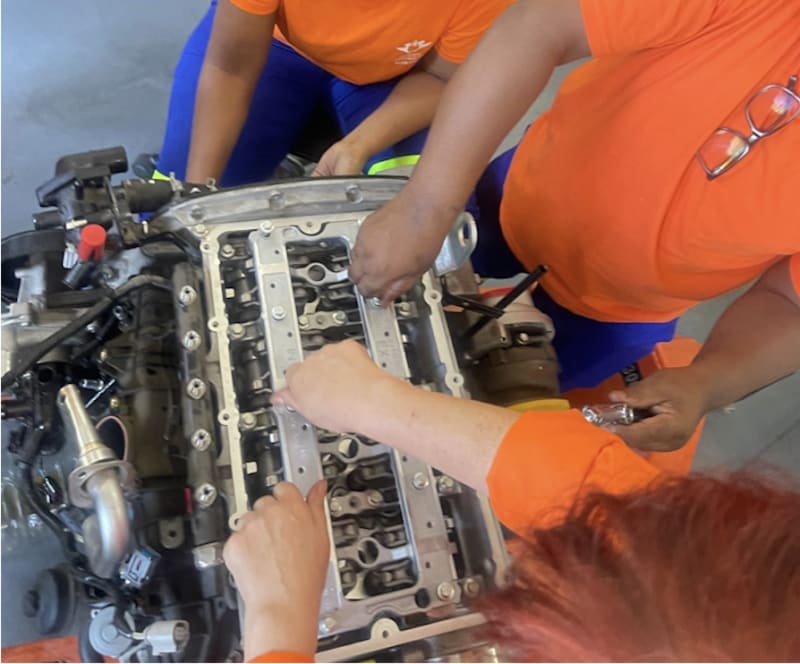
The conversion isn't just a simple battery swap. Students and technicians overhaul the entire system, from powertrain integration to thermal management, solar energy hookups, and charging solutions. Every step follows rigorous safety protocols and regulatory requirements.
The university has already begun its own electric transition, introducing electric buses across its campuses to cut transport emissions. Now the center is expanding that work by researching smart charging systems, grid stability, and fleet optimization to make electrification work at scale.
The Ripple Effect runs deep here. Over the next five years, the center plans to help at least 10 municipalities develop EV infrastructure and convert more than 200 vehicles through pilot programs. They're targeting public transport fleets and small logistics operators who need affordable solutions now.
Even more impressive is the human investment. Through technical bootcamps, high voltage certification courses, and township based workshops, they aim to train over 1,000 youth and technicians annually. These aren't just classes. Students get hands-on experience building actual vehicles, embedding skills that prepare them for green economy jobs.
Dr. Gqibani sees this as South Africa refusing to be a spectator in the global EV revolution. The country faces rising fuel costs, an unstable grid, and pressure to decarbonize transport. Converting existing vehicles addresses all three challenges while creating local jobs and strengthening manufacturing capability.
The approach also solves a critical equity issue. Historically excluded communities gain access to high technology sectors and the training needed to thrive in them. It's environmental sustainability meeting social justice.
South Africa is proving that the green transition doesn't require waiting for technology to become affordable; sometimes you just need to roll up your sleeves and rebuild what you already have.
More Images


Based on reporting by Google News - Africa Innovation
This story was written by BrightWire based on verified news reports.
Spread the positivity!
Share this good news with someone who needs it