South African Bank Closes $21B Gap for Small Businesses
A South African bank is solving a massive small business funding crisis not by lending more money, but by collecting better data. African Bank's new approach could unlock billions for 80% of the country's workforce.
South Africa has 300 lenders and a $21.5 billion funding gap for small businesses. The problem isn't a shortage of money. It's a shortage of information.
African Bank discovered something important. Most small businesses asking for loans remain invisible to the data systems banks use to judge risk. Without that data, even banks eager to help don't know who they can safely fund.
The numbers tell a striking story. About 56% of South Africa's small and medium enterprises aren't even registered. Only 7% used a formal business loan to start up. Yet these businesses employ roughly 80% of the country's workers.
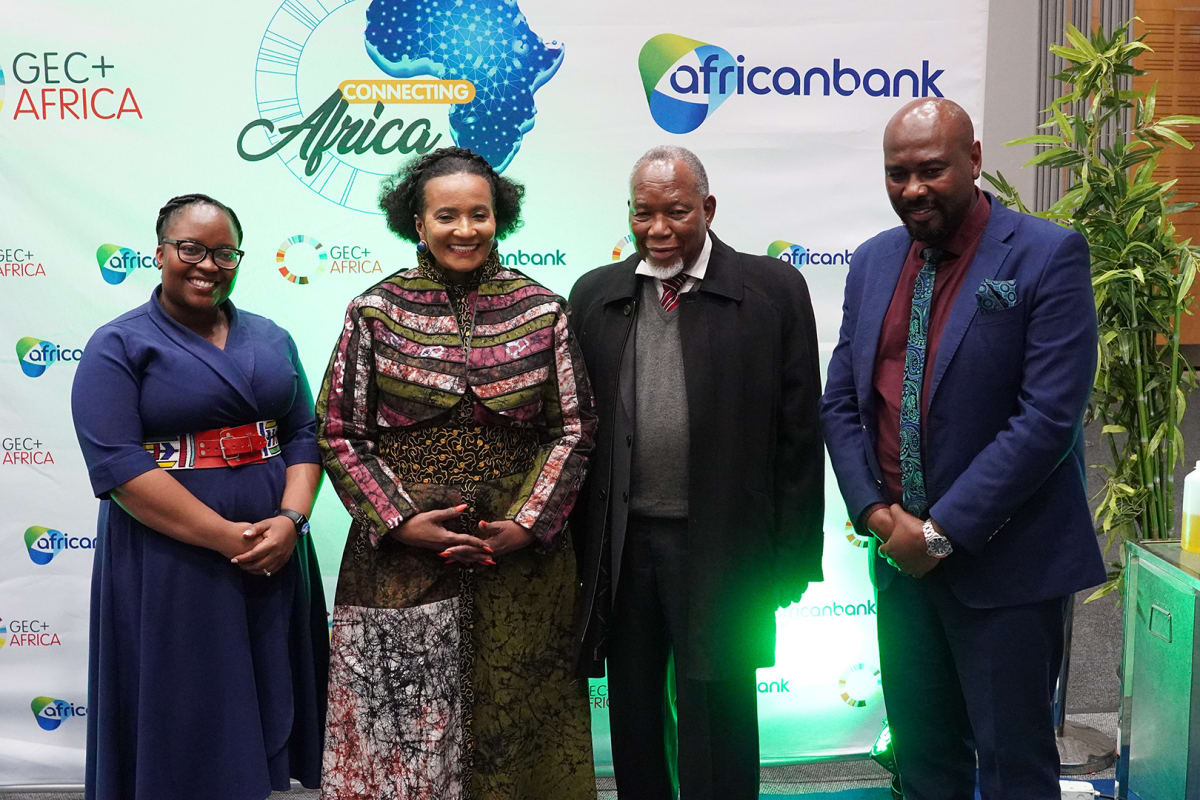
Edna Sathekga-Montse leads transformation efforts at African Bank. She says her team stopped asking why businesses couldn't prove they were safe bets. Instead, they asked what information already existed that banks weren't looking at.
The answer was everywhere. Invoices show expected cash coming in. Purchase orders reveal customer demand. Digital payment patterns display real transaction history. Tax filings and payroll records prove structure and growth.
Nearly 80% of small businesses in South Africa already use digital financial services. That creates trails of data lenders could verify and analyze, if they knew how to look.
African Bank started offering more than loans. They now provide payroll assistance, tax help and human resources support. Each service gives the bank better insight into how a business actually runs while helping owners become more organized.
The bank also expanded into invoice discounting and purchase order financing. These products let businesses access money they've already earned but haven't been paid yet, solving cash flow problems without traditional credit checks.
The Ripple Effect
The shift matters most for the smallest businesses. Research shows 85.6% of funding applicants earn less than $61,538 annually. These micro-enterprises create more than 80% of jobs among small businesses and represent over 85% of funding demand.
Half of these smallest business owners have poor credit scores. Under old lending rules, they'd be automatically rejected. Under data-driven rules, their invoices, customer orders and payment patterns can tell a different story.
Sathekga-Montse believes the solution requires partnerships beyond banking. Development finance institutions need to offer credit guarantees that reduce risk. Large companies need to pay small suppliers on time, since late payments crush working capital.
The bank's new motto captures the shift. "Tell us about your business, tell us about what you need, and let's figure out a way for us to work the journey with you."
When you change how you measure success, you change who gets a chance to achieve it.
More Images

Based on reporting by TechCabal
This story was written by BrightWire based on verified news reports.
Spread the positivity!
Share this good news with someone who needs it
%2Ffile%2Fattachments%2Forphans%2FVince-EMPD-dismiss-Mkhwanazi2_265592.jpg)