South African Bird Rescue Builds Specialized Wetland Center
A small-town wildlife rescue in South Africa is transforming into a professional rehabilitation center focused on saving wetland birds that need specialized care. The Parys WADER team is navigating strict permits and community questions to build something lasting.
When injured birds arrive at Parys WADER's door, the team faces a choice that's harder than it looks: who gets help and why.
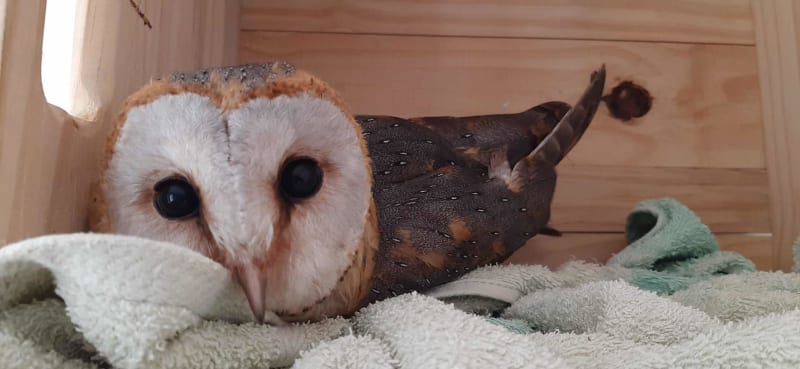
The wildlife rescue in Parys, South Africa, has spent months working toward a full operating permit while caring for 12 birds in their temporary facility. The organization focuses exclusively on wetland species like waterfowl, waders, gulls, ibises, and owls that depend on rivers and wetland ecosystems.
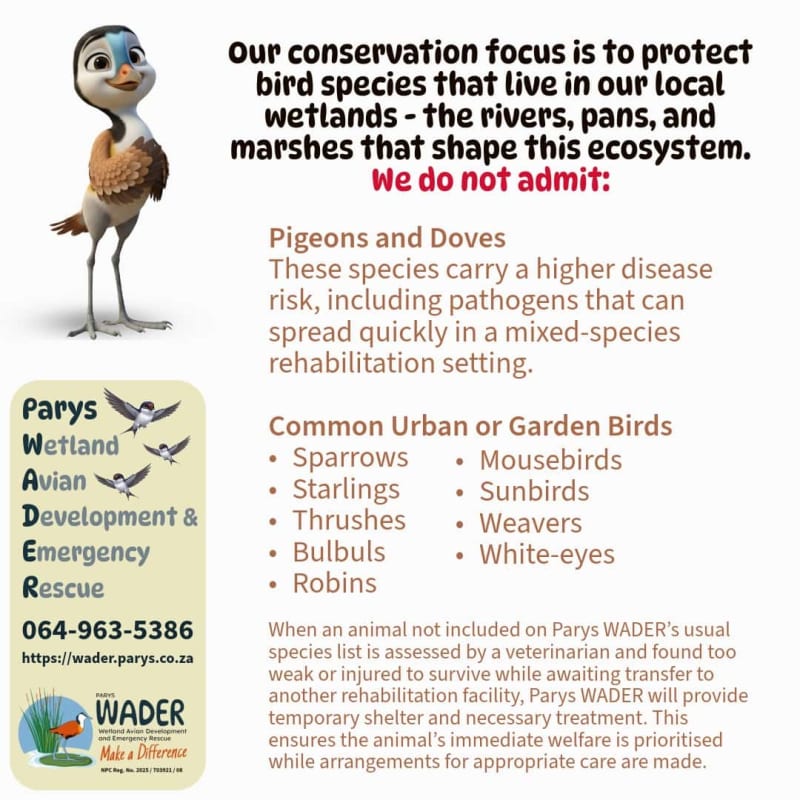
The team recently stopped accepting common garden birds like sparrows, doves, and pigeons. It's a decision that puzzled some community members, but it reflects a bigger shift in conservation thinking.
Conservation authorities now encourage facilities to specialize rather than spread resources thin across all species. Common garden birds have stable populations naturally adapted to high early-life losses, while wetland species often need specialized diets, housing, and medical care that general facilities can't provide.
Operating a legal wildlife rehabilitation center in South Africa means meeting strict requirements for biosecurity, disease control, waste management, veterinary oversight, and environmental impact. Every inspection and compliance check protects both the animals and the humans caring for them.
The current in-town location serves as an emergency intake and treatment clinic where birds receive immediate stabilization and assessment. The long-term plan includes moving recovering patients to a separate property outside town with larger enclosures and quieter conditions better suited for preparing birds to return to the wild.
The Ripple Effect
By narrowing their focus, Parys WADER can deliver better outcomes for species that genuinely need intervention. Wetland birds face unique threats from habitat loss, pollution, and human activity that garden birds don't encounter.
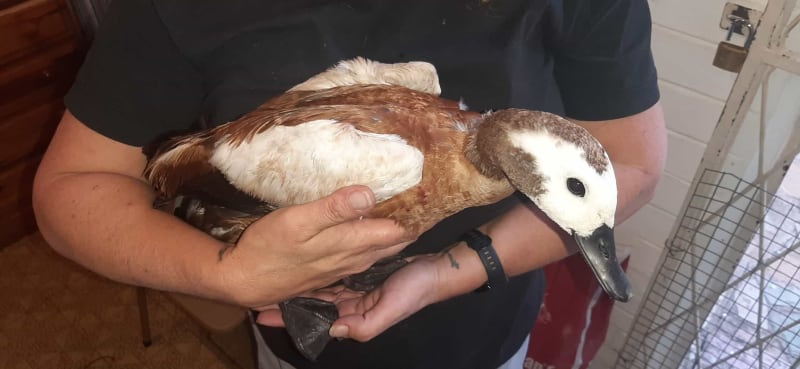
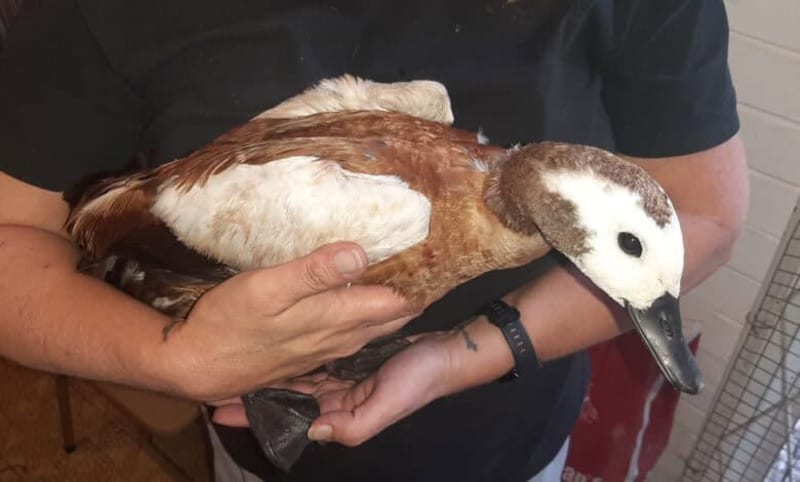
The specialized approach means each bird admitted receives expert care tailored to its species' needs. An African Shelduck requires completely different housing, diet, and release preparation than a sparrow or dove.
This model also creates a template other rescues can follow. As wildlife rehabilitation becomes more professionalized across South Africa, specialized facilities working together can cover more ground than generalist operations working alone.
The waiting period for permits might frustrate people who want to help injured birds right away, but the regulations exist for good reason. Improper care can spread disease, cause animal suffering, or create unintended environmental damage.
Parys WADER's transparency with their community about these challenges builds trust and educates the public about what real conservation work requires. The team answers questions openly and explains the science behind difficult decisions.
Building a lasting wildlife rehabilitation center means doing the hard work now to create something that will serve wetland ecosystems for decades to come.
More Images
Based on reporting by Google News - Wildlife Recovery
This story was written by BrightWire based on verified news reports.
Spread the positivity!
Share this good news with someone who needs it
%2Ffile%2Fattachments%2Forphans%2FATBGratitude_963480.jpg)