South African Conference Tackles Food Security Innovation
Leaders across Africa are proving hunger isn't about food shortages but broken systems. A March conference in South Africa showcased farm projects delivering 7,000 daily meals and teaching students to grow $500 worth of vegetables from $20 in seeds.
A groundbreaking agricultural conference in South Africa just proved that solving hunger isn't about growing more food. It's about fixing the systems that get food to people who need it.
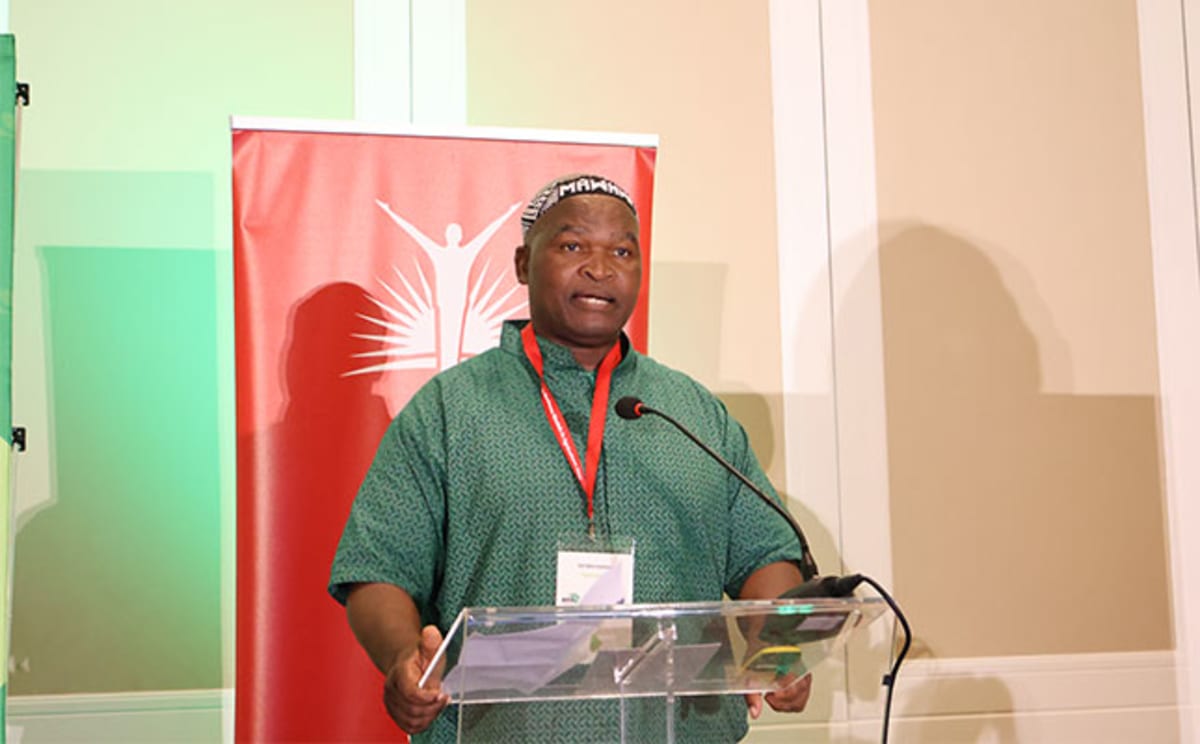
More than 300 researchers, farmers, and development leaders gathered in Gqeberha from March 8 to 10 for the International Conference on Business Models in Agriculture. They shared innovations already working across the continent, from massive farms feeding thousands to high school gardens transforming communities.
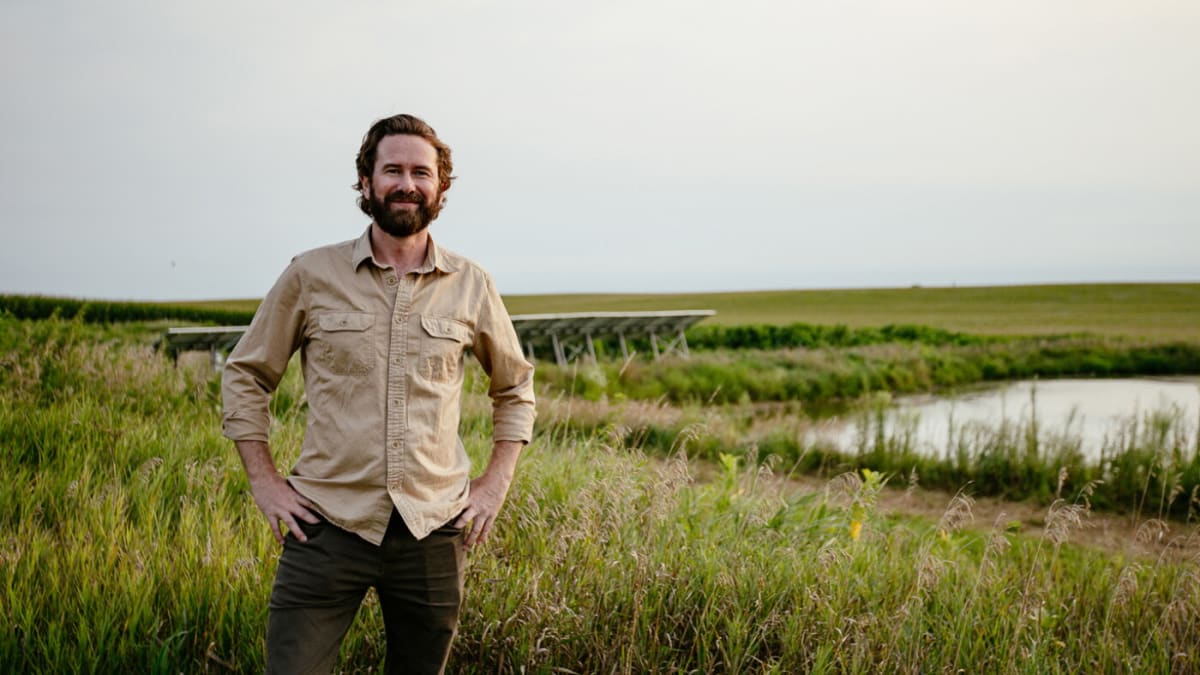
Spencer Maxwell leads Project Canaan, a 1,000-hectare farm in Eswatini that's rewriting the rules on agricultural development. His team now delivers more than 7,000 meals every day while providing jobs for hundreds of families through an approach he calls "purpose-led economics."
"Children aren't malnourished because there isn't enough food in this world," Maxwell explained. "They are malnourished because the systems that produce, distribute, and sustain nutritious ingredients are broken."
Project Canaan combines crop production and livestock farming with orphan care, job training, and education programs. The farm aims to become completely self-sustaining within five years, proving social missions can operate without constant outside funding.
Meanwhile, in Makhanda, high school students are learning that transformation starts small. Reverend Rachel Ssekimpi launched Gardens of Faithfulness in 2022, giving each student a tiny 1x2 meter plot at school.
Using a low-tech method called Farming God's Way, students turn $20 worth of seeds into $500 worth of vegetables in just three months. After graduation, these young farmers help establish gardens at other schools and community organizations, spreading knowledge one plot at a time.
The Ripple Effect
The conference revealed how connecting agriculture with other sectors multiplies impact. Councillor Bassie Kamana from Nelson Mandela Bay Municipality highlighted how linking farms with coastal tourism creates jobs while keeping money in local communities.
When hotels and restaurants buy directly from nearby farms, tourist dollars flow straight to rural families. Farmers gain reliable customers, tourists enjoy fresh local food, and entire regions build economic resilience.
These projects share a common thread: they recognize that feeding people requires more than good soil and seeds. Success demands collaboration across the entire food chain, from seed manufacturers to logistics providers to the families around dinner tables.
The innovators gathered in Gqeberha are proving that Africa's food security challenge has workable solutions already taking root.
Based on reporting by Google News - Africa Innovation
This story was written by BrightWire based on verified news reports.
Spread the positivity!
Share this good news with someone who needs it
%2Ffile%2Fattachments%2F2997%2FStudentslistentoateacheratCwebeniJuniorSecondaryschoolonFebruary22024inCwebeniaruralvillageoutsidePortStJohnsSouthAfrica_751896.jpg)