South African Farm Feeds 7,000 Daily, Teaches Self-Reliance
A 1,000-hectare farm in Eswatini is proving that broken food systems, not food shortages, cause hunger across Africa. Project Canaan now delivers over 7,000 meals daily while creating jobs and teaching communities to grow their own food.
Children across Africa go hungry not because there isn't enough food, but because the systems that produce and distribute it are broken.
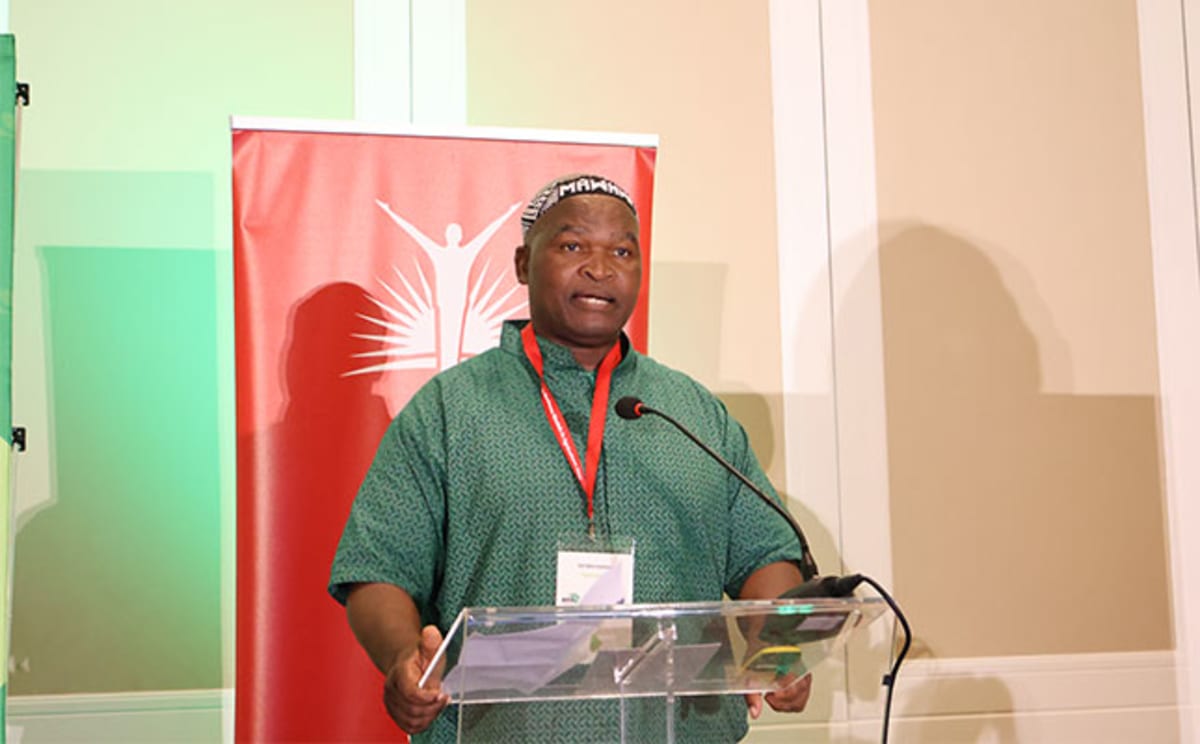
That powerful message emerged from the 2026 International Conference on Business Models in Agriculture in Gqeberha, South Africa, where innovators gathered to share solutions that are already working. Spencer Maxwell from Heart for Africa presented Project Canaan, a farm in Eswatini that combines agriculture with orphan care, job training, and education programs to tackle hunger at its roots.
The project operates on a simple but revolutionary idea: put your mission at the center, but build it to pay for itself. Maxwell calls it "purpose-led economics," where social impact and financial sustainability work together instead of competing.
The results speak volumes. Project Canaan now delivers more than 7,000 meals every single day while supporting hundreds of families through employment. The farm produces diverse crops and livestock while teaching people skills that last a lifetime.
Maxwell says the goal is complete financial self-sustainability within five years, generating enough profit to cover all mission costs. That would make the model truly scalable across Africa and beyond.
Another inspiring example came from Makhanda, where Reverend Rachel Ssekimpi launched Gardens of Faithfulness at a local high school. Students receive small 1m x 2m plots to grow vegetables using low-tech, sustainable methods. After just three months, each garden can feed a family with produce worth R500, grown from R20 worth of seedlings.
The program teaches more than farming techniques. Young people learn self-reliance and then share those skills by helping establish community gardens at other schools and organizations. Ssekimpi emphasizes that the approach encourages growing your own food rather than depending on handouts.
The conference also explored how linking agriculture with tourism can strengthen coastal economies. Councillor Bassie Kamana from Nelson Mandela Bay Municipality highlighted how hotels and restaurants sourcing fresh produce directly from nearby farms creates powerful local supply chains. When tourism operators buy locally, tourist dollars directly support rural farmers instead of distant suppliers.
The Ripple Effect
These innovations share a common thread: they treat agriculture as part of a broader economic ecosystem rather than an isolated industry. When farms connect with schools, tourism operators, and social programs, everyone benefits.
Maxwell emphasized that everyone in the agriculture sector plays a vital role, from seed manufacturers to farmers to retailers, but the central mission must remain the same: feeding people around the world.
Project Canaan's path toward self-sustainability proves that missions can scale when they're built on solid economic foundations, offering hope that similar models can spread across the continent.
Based on reporting by Google News - Africa Innovation
This story was written by BrightWire based on verified news reports.
Spread the positivity!
Share this good news with someone who needs it