%2Ffile%2Fattachments%2F2992%2F1_671668.jpeg)
South African Kids Lead Communities Through 1,000+ Clubs
Young South Africans aged 8 to 14 are running their own clubs that tackle real community problems, from food insecurity to health education. The program started because kids who watched a TV show sent letters begging to join.
Children who wanted to be heroes on television accidentally launched a movement that's now shaping South Africa's next generation of leaders.
In the late 1990s, a TV show called Soul Buddyz featured young people solving problems in their communities. Kids watching at home flooded the producers with letters asking how they could join. The demand was so strong that by 2002, the Soul City Institute turned it into a nationwide school program.
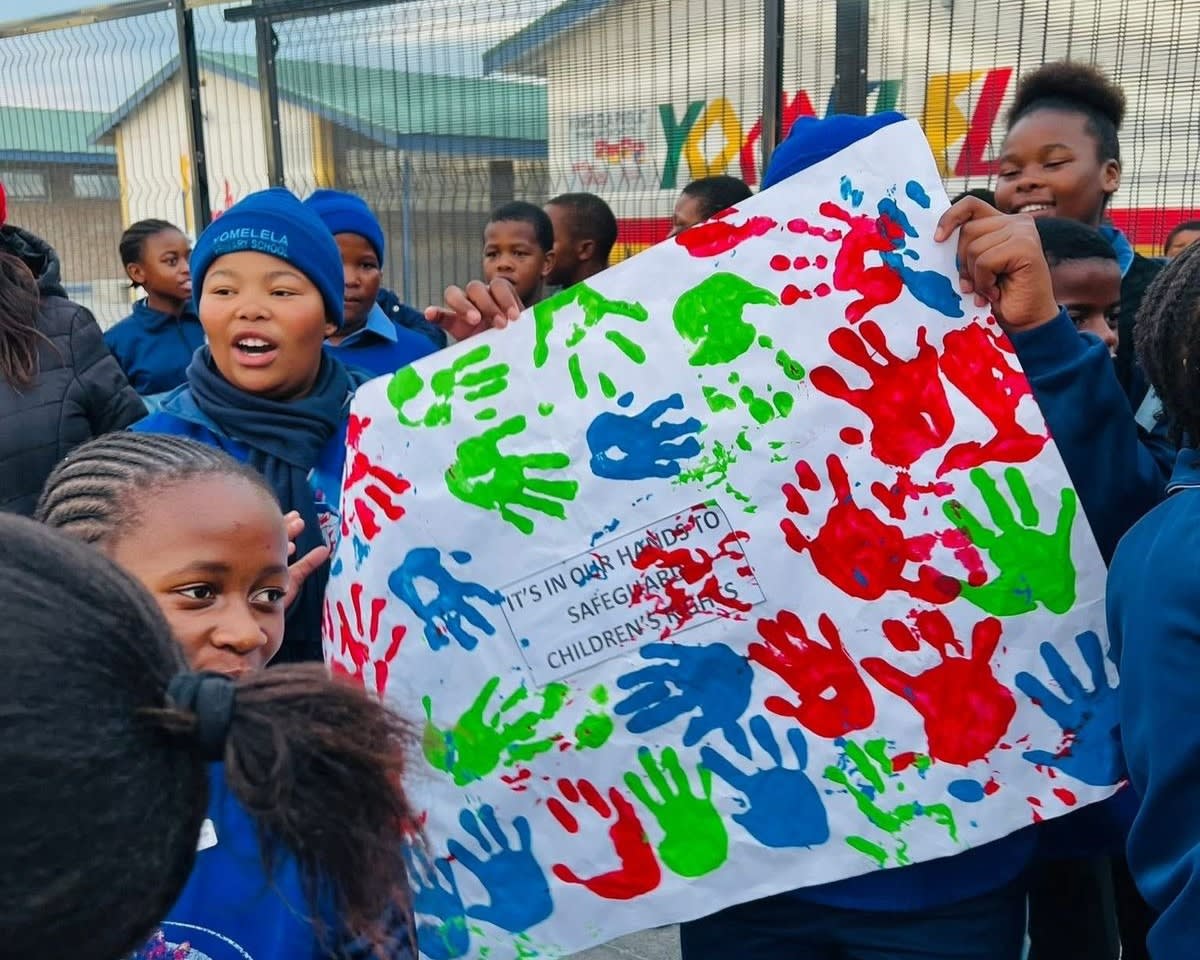
Today, over 1,000 Soul Buddyz Clubs operate across all nine South African provinces. Children between 8 and 14 elect their own leaders, run weekly meetings, and tackle real issues like hunger, clothing shortages, and health education.
"They are not just children," says Phinah Kodisang, CEO of the Soul City Institute. "They are seen as leaders, and they are capacitated to be social change agents in their communities."
Each club has 15 to 25 members who learn through magazines covering topics like HIV prevention, financial literacy, mental health, and children's rights. The curriculum aligns with national education standards and gets reviewed by both education and health departments.
The results speak for themselves. A study tracking former members over a decade found most remained HIV negative and credited the program. Many now hold leadership positions and attribute their worldview to their time in the clubs. Young women who participated were less likely to experience teenage or unwanted pregnancy.
The Ripple Effect
The program's impact reaches beyond individual success stories. At its peak, 15,000 clubs were active nationwide, with winners of national competitions receiving computers and tablets for their schools. One former member said his first airplane ride to a competition inspired him to become a pilot.
Funding cuts have reduced the number of active clubs, but the institute keeps expanding its reach. Schools receive digital copies of magazines to print themselves. Community organizations get training to run clubs. Social media helps connect with children the program can't reach in person.
Lesotho is now in talks to bring the clubs across the border. The philosophy remains simple: shape attitudes toward equality and justice during childhood, and you create adults who solve problems without violence.
The childhood letters requesting club membership may have stopped arriving, but the movement they sparked continues growing one young leader at a time.
More Images

%2Ffile%2Fattachments%2F2992%2F3_893894.jpeg)
%2Ffile%2Fattachments%2F2992%2F6_771223.jpg)
Based on reporting by Daily Maverick
This story was written by BrightWire based on verified news reports.
Spread the positivity!
Share this good news with someone who needs it

%2Ffile%2Fattachments%2Forphans%2FATBGratitude_963480.jpg)