South African Lab Saves Million Specimens With Solar Power
When power cuts threatened a million rare fish specimens floating in flammable ethanol, South African scientists fought back with solar batteries. Now their $420,000 backup system is showing labs worldwide how to keep science alive when the grid goes dark. ---
Inside a research facility in South Africa, more than one million fish specimens float in glass jars filled with highly flammable ethanol that could ignite if temperatures rise just a few degrees. For years, staff at the South African Institute for Aquatic Biodiversity held their breath every time scheduled blackouts hit, hoping backup generators would kick in before disaster struck.
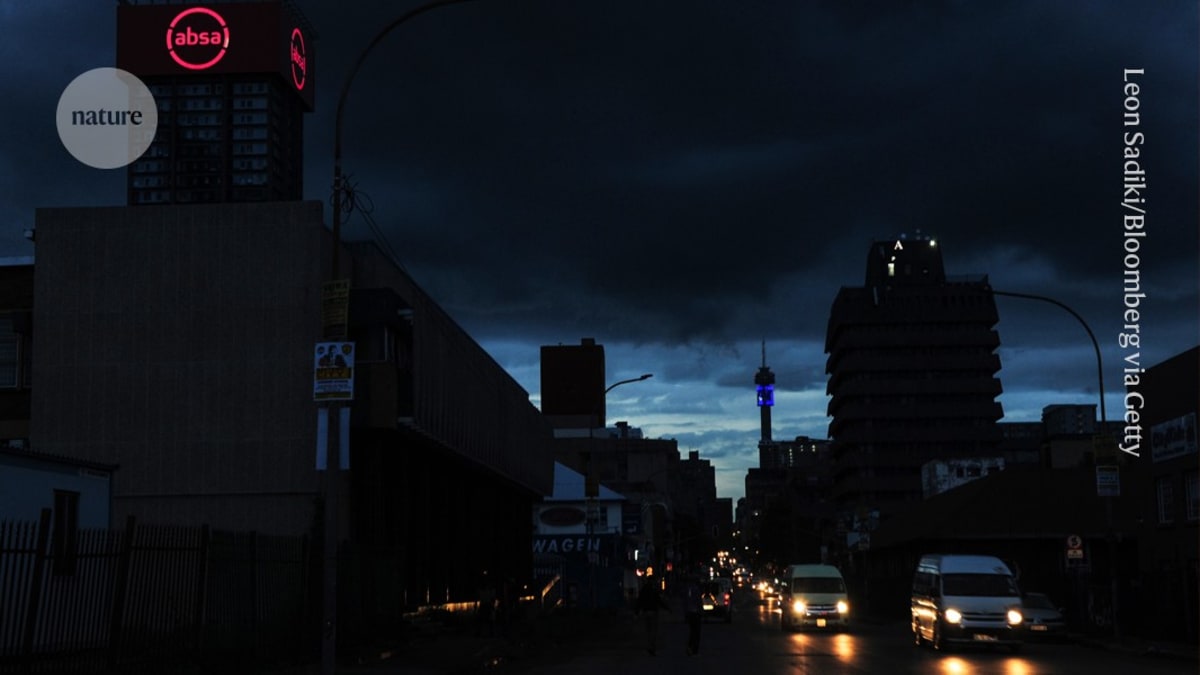
The institute houses the largest aquatic collection in Africa, including rare coelacanths, ancient fish once thought extinct. When power cuts reached their peak in 2023, hitting nine out of every ten days, researchers faced a terrifying reality: their priceless 400-million-year evolutionary archive sat one generator failure away from becoming a giant fuel tank.
Teams worked around the clock, rushing to the facility after hours and on weekends to manually check systems. Every blackout meant crossing fingers that air conditioning would restart before specimens warmed to dangerous temperatures. The constant vigilance took its toll on staff while the power surges slowly destroyed expensive equipment.
Then in August 2024, everything changed. A $420,000 investment brought a solar and battery backup system that powers the entire facility for four hours, or keeps critical cooling running for seven hours without generators. The new system responds instantly when blackouts hit, protecting irreplaceable specimens without the noise, vibration, or uncertainty of diesel generators.
The impact extended beyond preservation. Sensitive DNA sequencing equipment that once failed mid-run due to power cuts now completes multi-day analyses without interruption. Researchers who lost years of frozen samples when manual freezer restarts went wrong finally have reliable protection for their work.
The Ripple Effect
The institute's solution arrived as South Africa's entire research community struggled with crumbling infrastructure. DNA researcher Alida de Flamingh recalls losing five or six hours of work when electricity disruptions stopped reactions midway through. Proteomics coordinator Liam Bell watched 500,000 rand worth of equipment degrade from cumulative power surge damage.
The embarrassment of explaining failed data transfers to international collaborators went deeper than inconvenience. Scientists worried that infrastructure problems damaged the credibility of African research as a whole, making global partnerships harder to maintain.
Now the solar backup system offers a blueprint for labs worldwide facing unstable power. The quiet, steady current eliminates generator vibrations that interfered with precision analysis while cutting diesel costs and creating a more comfortable work environment. Custom battery racks protect ultra-cold biobanks storing one-of-a-kind marine DNA samples.
The transformation shows how targeted infrastructure investment can turn vulnerability into resilience, keeping science moving forward even when the grid fails.
---
More Images




Based on reporting by Nature News
This story was written by BrightWire based on verified news reports.
Spread the positivity!
Share this good news with someone who needs it