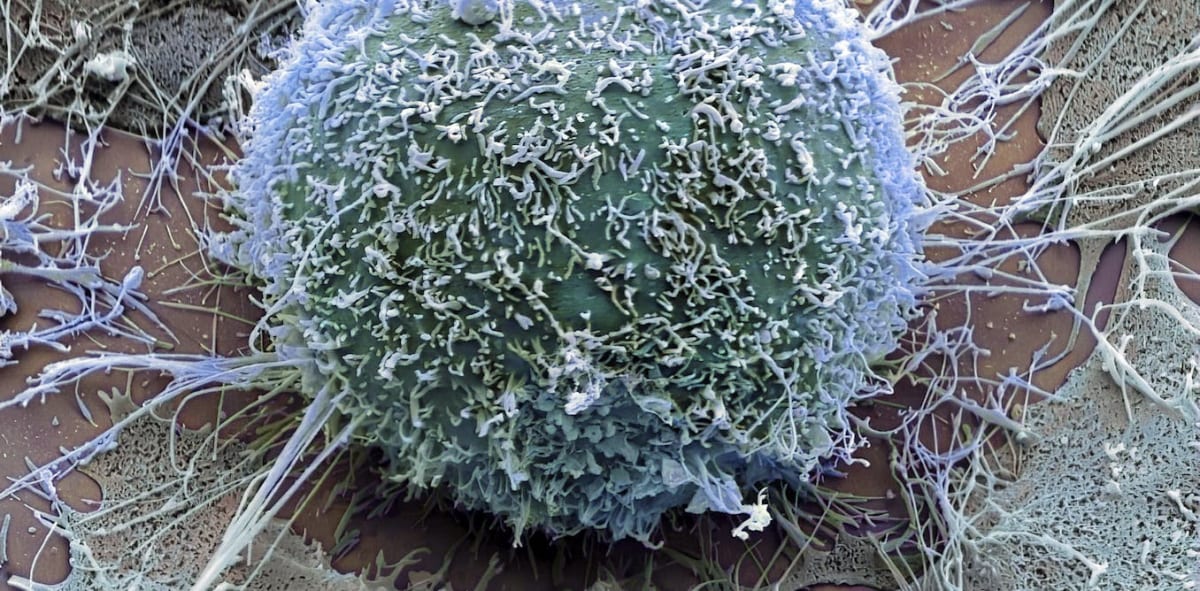
South African Scientists Crack Cancer's Invisibility Code
Researchers at the University of Cape Town decoded how cancer cells disguise themselves from the immune system, opening the door to new vaccines and treatments. Their discovery maps exactly how tumors transform a protective protein into a shield that hides them from our body's defenses.
Scientists in South Africa just solved a puzzle that's stumped cancer researchers for decades: how tumors turn invisible to our immune system.
A team at the University of Cape Town discovered the exact molecular trick that lets cancer cells hide in plain sight. They mapped how a protective protein called Mucin-1, which normally guards our organs like a sentinel, gets transformed into a cloak that shields tumors from detection.
In healthy cells, Mucin-1 stands on cell walls covered in long sugar chains that act like armor against bacteria and viruses. When danger strikes, it alerts the immune system to attack. But cancer cells hijack this guardian, swapping its long sugar chains for shorter ones that actually prevent immune cells from recognizing threats.
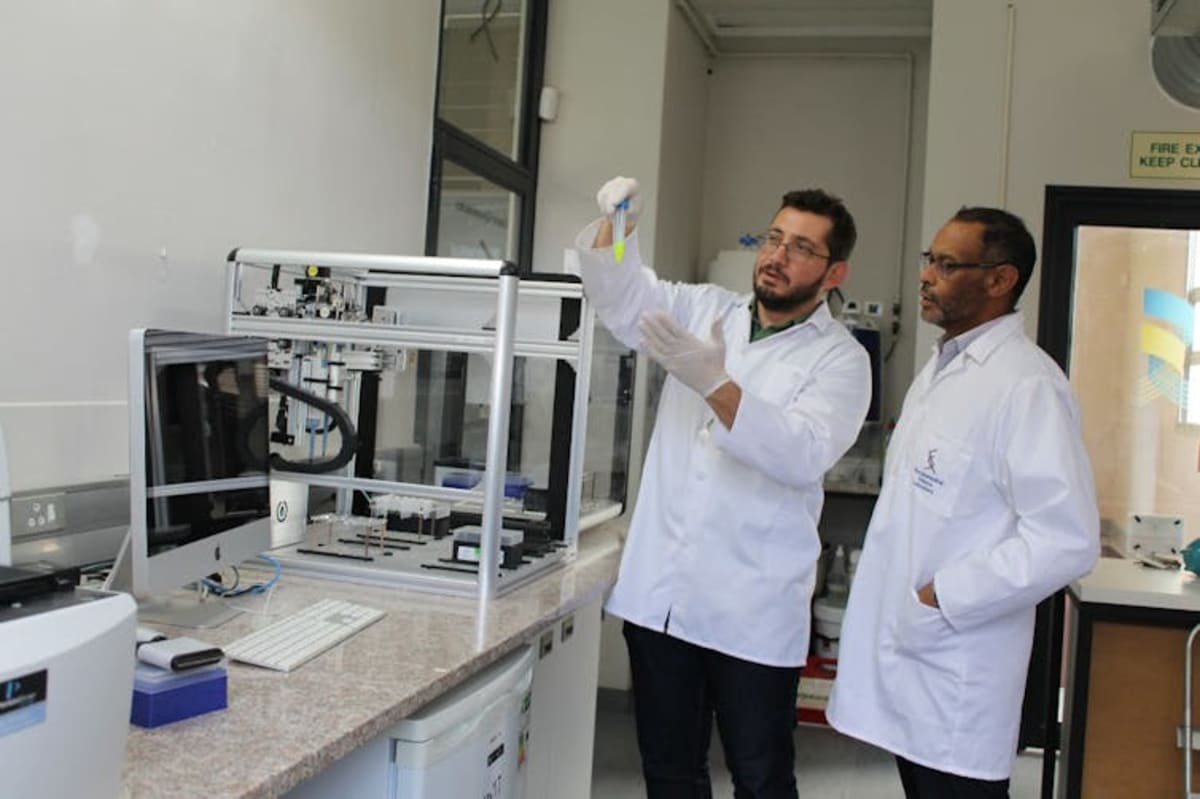
Dr. Lateef Nashed and Professor Kevin Naidoo led the research team that recreated this transformation in their lab. Using a combination of test-tube biology and quantum chemistry simulations, they pinpointed exactly where and how cancer rewrites Mucin-1's sugar code.
The breakthrough came when researchers discovered that tumor cells relocate the enzymes responsible for building sugar chains to a different part of the cell. In this new location, the enzymes operate without normal safeguards, creating cancerous sugar structures called Tn and sialyl-Tn antigens that tag tumor cells.
The team identified a specific spot on the Mucin-1 protein, called the T13 site, where cancer enzymes preferentially attach. This single interaction drives the massive increase in tumor-promoting sugars seen in malignant cancers.
The US National Cancer Institute has ranked Mucin-1 as the most accessible cancer target because it appears in so many different tumor types. Understanding its sugar coating opens multiple paths to treatment.
The Ripple Effect
This discovery is already moving beyond the laboratory. The Cape Town team built sophisticated computer models connecting these sugar changes to immune cell behavior, showing how cancerous sugars trigger signals that tell tumors to grow and spread.
Researchers are now comparing sugar patterns across different cancer types, from common breast cancers to aggressive, currently untreatable forms. The goal is precision medicine: treatments that strip away cancer's sugar shield so patients' own immune systems can finally see and destroy tumors.
The team is using their atomic-level data to identify new drugs that can block tumor-promoting signals. Their work provides the foundation for developing cancer vaccines, better diagnostic tools, and targeted therapies that work with the body's natural defenses rather than against them.
For millions of cancer patients worldwide, this South African breakthrough represents hope grounded in hard science and a major step toward turning one of cancer's most effective survival strategies into its vulnerability.
More Images
Based on reporting by Regional: south africa breakthrough (ZA)
This story was written by BrightWire based on verified news reports.
Spread the positivity!
Share this good news with someone who needs it