%2Ffile%2Fattachments%2Forphans%2FLearners-engage-with-Radio-astronomer-and-astrophysicist-Dr-Sphesihle-Makhathini-on-light-based-technologies_676239.jpg)
South African Scientists Urged to Show Up in Classrooms
A researcher says South Africa's struggling science scores need a simple fix: working scientists visiting schools to inspire the next generation. Despite record matric pass rates, the solution isn't just funding but showing students what's possible.
South Africa just celebrated its highest matric pass rate ever at 88%, but the numbers hide a troubling reality for science and math education.
Math pass rates actually dropped from 69% to 64% in 2025, and physics barely budged at 77%. Even more concerning, only 42% of preschoolers are on track with early math skills, signaling challenges ahead.
But researcher Robert Inglis believes scientists themselves hold a powerful solution, and it doesn't require massive funding increases. His idea? Simply show up.
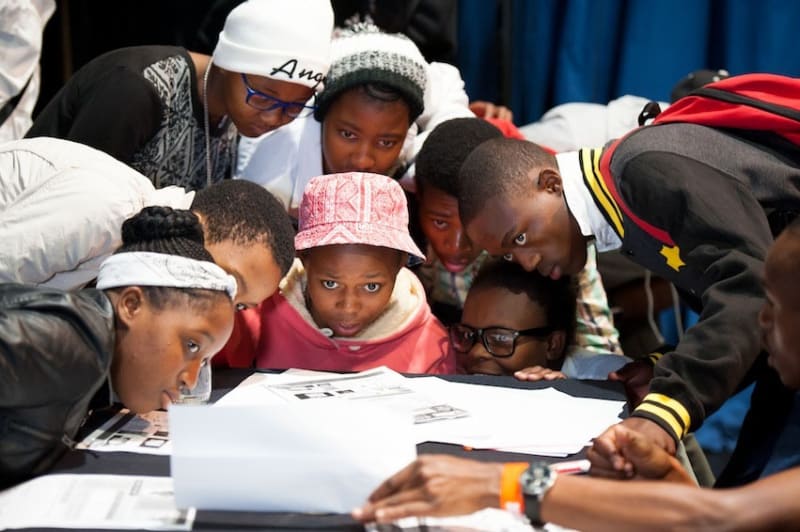
Inglis studies how scientists can change education outcomes not as teachers, but as role models. His research found that when young people meet real scientists and hear their stories, it transforms what they believe is possible for their own futures.
The timing matters because South African talent is already proving itself globally. Four young scientists just won Grand Awards at the World Innovative Science Project Olympiad in Bali. UCT Professor Lynne Shannon became the first Global South researcher to win the Prince Albert Grand Medal for Ocean Science.
The challenge isn't lack of talent. It's making sure that talent gets nurtured through exposure and belief at every schooling level.
Right now, visibility is a major problem. A 2017 study found that 78% of publicly visible scientists in South Africa were white and 63% were men, despite the country's demographics. Only 17 visible scientists were black women.
The Ripple Effect
When scientists from all backgrounds step into classrooms and media spaces, they create possibilities in young minds. Students who rarely see working scientists suddenly understand that science careers are for them too, not just for wealthy white men in lab coats.
The approach works especially well in under-resourced schools where exposure to any scientists is rare. Many children have no idea how their unique talents could lead to fulfilling careers solving real problems.
Inglis encourages scientists to place themselves in media and spaces where young people engage, speaking in accessible language about science as a tool for creating better futures. Radio astronomer Dr Sphesihle Makhathini and archaeologist Dr Ndukuyakhe Ndlovu already model this approach, bringing their work directly to students.
The message is practical: scientists don't need to overhaul education systems or wait for perfect resources. They can start making a difference today by showing up, being visible, and proving to students that science belongs to everyone.
More Images
%2Ffile%2Fdailymaverick%2Fwp-content%2Fuploads%2F2025%2F10%2Flabel-Op-Ed.jpg)
%2Ffile%2Fattachments%2Forphans%2FProf-Ncoza-Dlova-engages-learners-at-Njaloba-Secondary-School_680231.jpg)
%2Ffile%2Fattachments%2Forphans%2FArcheologist-Dr-Ndukuyakhe-Ndlovu-engages-with-learners-at-Game-Pass-Shelter-in-the-KwaZulu-Natal-Drakensberg-_312797.jpg)
Based on reporting by Daily Maverick
This story was written by BrightWire based on verified news reports.
Spread the positivity!
Share this good news with someone who needs it