South African University Wins 20 Patents for Real Solutions
Stellenbosch University researchers earned 20 patents this year for innovations tackling everything from plastic waste to disease detection. One breakthrough uses modified yeast to break down bioplastics, offering hope for our planet's waste crisis.
Scientists at a South African university just proved that breakthrough research can solve real problems, not just fill journals.
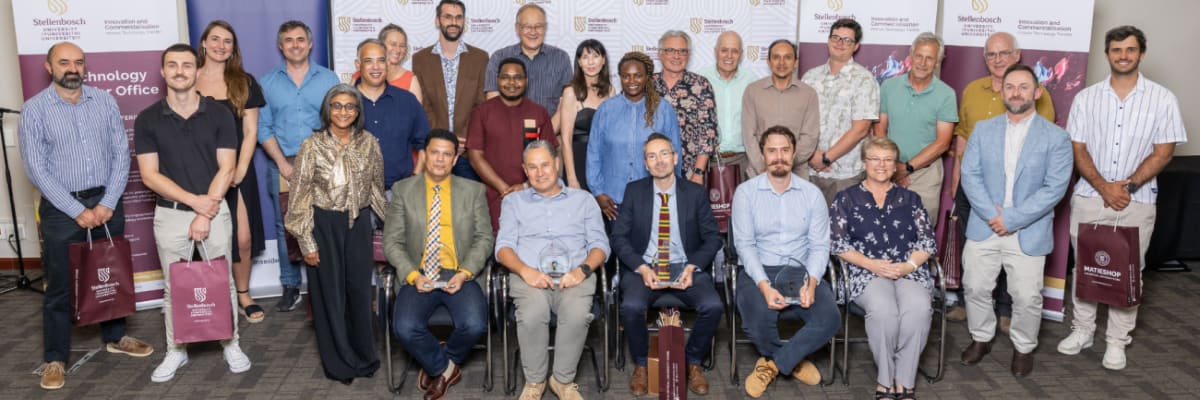
Stellenbosch University celebrated 20 patents granted to its researchers in 2025, recognizing innovations that range from environmental solutions to medical advances. The awards ceremony on November 26 brought together the minds behind these game-changing ideas with industry partners ready to turn research into reality.
The standout achievement came from three researchers who created a modified yeast that can actually eat plastic. Dr Wessel Myburgh, Prof Willem Heber Van Zyl, and Prof Marinda Viljoen-Bloom partnered with colleagues in Italy to engineer yeast cells that produce enzymes breaking down polylactic acid into simpler, useful components. This type of biodegradable plastic currently piles up in landfills because few organisms can digest it.
The university's patents span countries including South Africa, China, the United States, and the United Kingdom. This global reach means South African innovation is shaping solutions worldwide, not just locally.
Guest speaker Eugene Smit, who transformed his own research into the Stellenbosch Nanofiber Company, shared hard-won wisdom with the room. He urged researchers to focus on quality patents over quantity and maintain them even when money gets tight. His message resonated because he's walked the path from laboratory discovery to commercial success.
Why This Inspires
Professor Benjamin Loos earned recognition as the most prolific inventor, with multiple patents over five years including breakthrough technology for measuring how cells clean themselves. He didn't stop at publishing papers. Instead, he founded PhagoFlux, a company developing sensing technology that could revolutionize how we understand cellular health and disease.
The Faculty of Engineering led in both new invention disclosures and spin-out companies this year. These aren't vanity metrics. Each disclosure represents a researcher believing their work can help someone, and each spin-out company means jobs, economic growth, and solutions reaching the people who need them.
Director Ravini Moodley captured what these patents really mean: "Each patent granted represents intensive novel research done at SU with clear steps toward solutions that can be scaled and commercialized." Translation? South African minds are creating fixes for global problems, and the world is paying attention.
The ceremony also honored Nolene Singh, who's spent nearly a decade helping researchers navigate the complex journey from idea to patent to product. Her work happens behind the scenes, but without people like her, brilliant discoveries often die in laboratories.
Twenty patents might sound modest compared to larger research institutions, but each one addresses a real challenge with a practical solution, and that's progress worth celebrating.
Based on reporting by Google News - Africa Innovation
This story was written by BrightWire based on verified news reports.
Spread the positivity!
Share this good news with someone who needs it